Summary:
You searched tree removal costs, found a national average somewhere around $750, then got a local quote for $1,400, and now you are wondering if someone is trying to take advantage of you. They probably aren’t. Tree removal on Long Island genuinely costs more than it does almost anywhere else in the country, and the reasons are specific and legitimate. This guide walks through what tree removal costs in Nassau and Suffolk County in 2026, what drives those numbers up or down, and what you need to know before you call anyone. By the end, you will have a clear enough picture to evaluate any quote you receive.
What Does Tree Removal Cost On Long Island In 2026?
Tree removal in Nassau County averages around $1,400, with most jobs falling somewhere between $500 and $2,300. Suffolk County follows a similar range. That is a far cry from the national average of roughly $750, and the gap isn’t random.
Long Island’s labor market, its aging suburban tree canopy, and the physical complexity of working on tight residential lots all push costs above what you would pay in most other parts of the country. When we assess a removal in Smithtown or Huntington, we are not just looking at the tree. We are accounting for the specific conditions that make Long Island different.
Small trees, generally under 25 to 30 feet, typically run between $290 and $550 in Suffolk County. Medium trees in the 30 to 60 foot range usually fall between $900 and $2,000. Large trees, from 60 feet up to 100 feet or more, tend to land between $1,500 and $3,500, and complex large-tree jobs with debris removal and stump grinding can reach $4,250 or higher. These aren’t padded estimates. They reflect the true cost of doing the work safely and correctly on Long Island.
Why Are Long Island Tree Removal Prices Higher Than The National Average?
The national average gets cited constantly, but it is built from data across thousands of markets like rural towns in the Midwest, lower-cost metros in the South, and smaller properties with easier access. Long Island is none of those things. When you compare your quote to a national figure, you are not comparing apples to apples.
Start with the trees themselves. Much of Long Island’s suburban housing stock was built out in the 1940s and 1950s, and the trees planted alongside those homes are now 60 to 80 years old. A mature white oak in Smithtown or a towering red maple in Huntington isn’t just taller than a younger tree. It is heavier, more structurally complex, and harder to bring down safely. Bigger trees require more crew time, more equipment, and more careful rigging, especially when they are close to a house, a fence line, or a neighbor’s property.
Then there is the geography. Long Island’s coastal conditions create tree hazards that don’t exist in most inland markets. Salt spray off the South Shore and the Sound damages bark and weakens structural integrity in ways that aren’t always visible. Sandy soil in eastern Suffolk reduces root anchoring, which means trees that look stable can be more compromised than they appear. Our ISA-certified arborists understand these conditions because we work in them every day, not because we have simply read about them.
Permitting adds another layer. Suffolk County is made up of ten townships including Babylon, Brookhaven, East Hampton, Huntington, Islip, Riverhead, Shelter Island, Smithtown, Southampton, and Southold, and each one has its own tree ordinance. Permit fees run between $50 and $200 depending on the town, and skipping a required permit can mean fines up to $10,000. We build permit coordination into every job. A low-ball quote that never mentions permits isn’t saving you money. It is moving the risk onto you.
Finally, labor on Long Island costs more than it does almost anywhere outside of New York City. That isn’t a complaint; it is just the market. When you hire a company staffed by ISA-certified arborists carrying full liability insurance and workers’ compensation, you are paying for real overhead. Companies that quote significantly below the local average are usually cutting corners somewhere, and the corner they cut most often is insurance.
Why Do Tree Removal Quotes Vary So Much For The Same Tree?
Getting a $700 quote and a $2,200 quote for the same tree is disorienting. It feels like someone is either wildly overcharging or dangerously undercharging, and you are left trying to figure out who to trust. The truth is that wildly different quotes for the same job are normal on Long Island, and the difference usually comes down to three things: scope, risk assessment, and legitimacy.
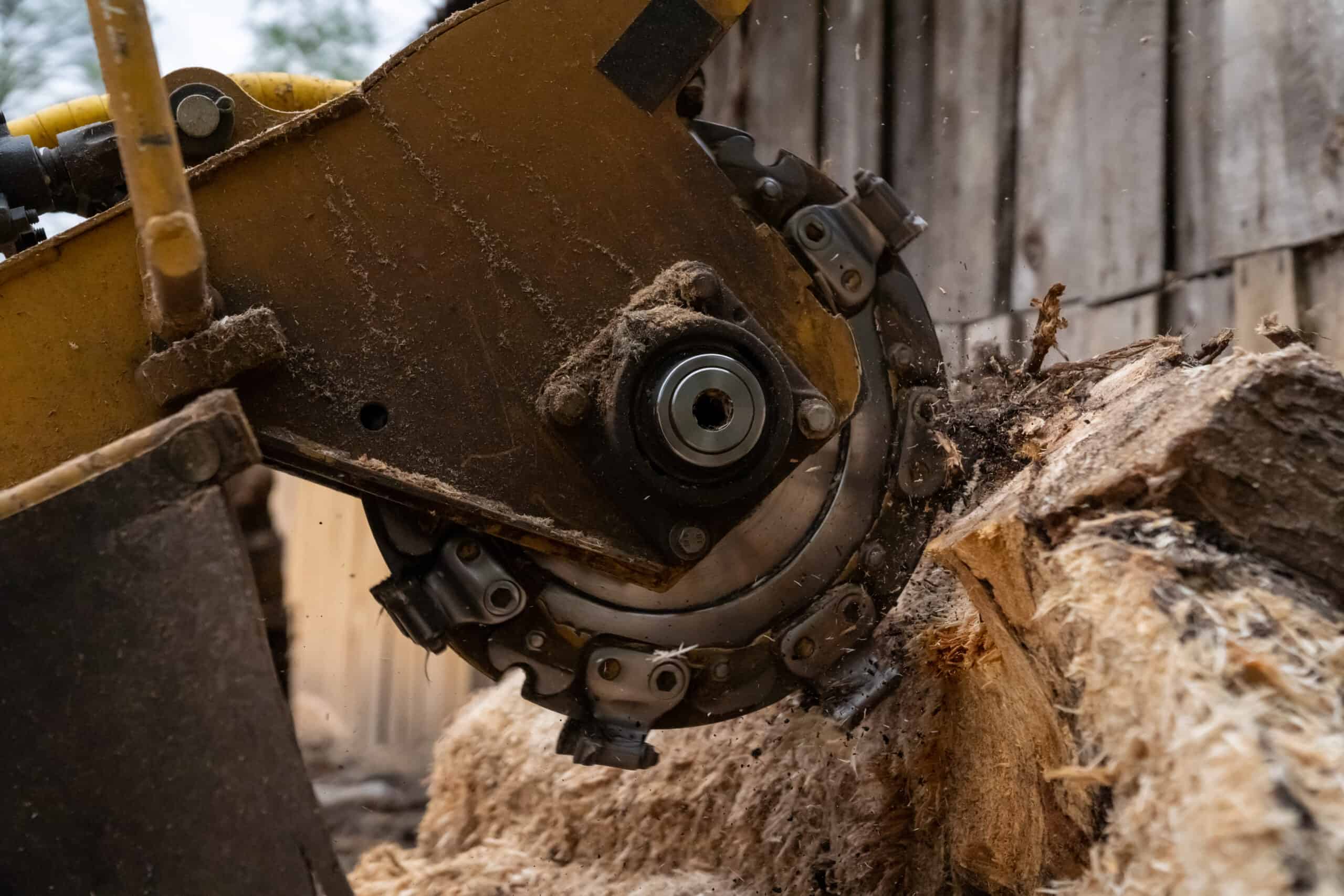
Scope is the most common culprit. Stump grinding is almost never included in a standard tree removal quote unless it is explicitly stated. In Suffolk County, grinding a stump typically adds $150 to $400 depending on the stump’s diameter and root complexity, and that is where a lot of homeowners get caught off guard. One quote might include full debris removal and grinding, while another might stop at the cut. They look like they are pricing the same job, but they are not.
Risk assessment is the second factor. Two arborists can look at the same tree and reach different conclusions about how much care the removal requires. A tree leaning toward a pool, positioned over a septic system, or sitting ten feet from a power line requires more planning, more equipment, and more time than a tree standing clear in the middle of a yard. If one quote doesn’t reflect that complexity, it is worth asking why.
Legitimacy is the third factor, and it matters more than most homeowners realize. An uninsured crew carries less overhead than a properly licensed and insured operation without workers’ compensation premiums, liability coverage, or ISA certification fees. That savings gets passed along as a lower quote. But if someone gets hurt on your property and there is no workers’ comp coverage, the liability can fall on you. A quote that looks like a deal can become a very expensive problem.
When you are comparing quotes, make sure you are comparing the same scope. Ask each company if stump grinding is included, if debris removal is included, and if they can provide a certificate of insurance before work begins. You want an official document, not just a verbal assurance that they are covered.
Emergency Tree Removal Cost On Long Island
Emergency tree removal costs more than standard work, and that is not a bait-and-switch. It reflects real costs like pulling a crew away from scheduled jobs, mobilizing equipment on short notice, and working in hazardous conditions after a storm. In Nassau and Suffolk County, emergency removal typically runs between $500 and $3,000 or more depending on the situation. For after-hours and weekend calls, expect to pay roughly 30 to 100 percent above standard daytime rates.
Suffolk County gets hit hard by nor’easters. The October 2025 storm triggered a state of emergency across the county, with wind gusts topping 60 mph and widespread tree damage across towns from Babylon to Brookhaven. After events like that, the demand for emergency tree service spikes fast, and so does the presence of door-to-door contractors who show up with low quotes and disappear before the work is done right.
What To Know Before Calling For Emergency Tree Service In Suffolk County
After a major storm, the instinct is to call whoever can get there fastest. That is understandable since a tree on your roof or across your driveway is a genuine emergency. But the post-storm window is also when unqualified contractors are most active, and making a fast decision without checking credentials can lead to bigger problems.
The most important thing to ask before anyone starts work is if they can provide a certificate of insurance, specifically both general liability coverage and workers’ compensation. You need a real document, not just a promise that they are covered. If a company hesitates on that request, it tells you something important.
The second thing worth asking is if their arborists hold ISA certification. An ISA Certified Arborist has passed a rigorous exam covering tree biology, risk assessment, pruning standards, and safety, and has documented at least three years of verified field experience. You can verify any arborist’s certification in about thirty seconds at isa-arbor.com. That is not a long process, and it is worth doing before you agree to anything.
Door-to-door solicitation is a major red flag in this market. Multiple state attorneys general and the Better Business Bureau have issued formal warnings about tree contractors who go neighborhood to neighborhood after storms, targeting homeowners with low upfront quotes. Legitimate companies with established client bases on Long Island don’t need to knock on your door. If someone shows up unsolicited with a “we were just in the area” pitch, that alone is reason to pause.
One more thing specific to Suffolk County is that if emergency removal involves a tree near a power line, coordination with PSEG Long Island may be required before work can safely proceed. A company that skips that step isn’t being efficient. They are creating a safety risk. An experienced local crew knows this and handles it as a matter of course.
Does Homeowners Insurance Cover Tree Removal On Long Island?
This comes up constantly after storms, and the answer depends on the specifics of your policy and the circumstances of the damage. Generally speaking, most homeowners insurance policies will cover tree removal if a tree falls on a covered structure, such as your house, a detached garage, or a fence, and causes damage. If a tree falls in your yard without hitting anything, coverage is less common, though some policies include a limited allowance for debris removal.
What insurance almost never covers is the removal of a living tree that hasn’t fallen yet, even if it is leaning dangerously toward your house. Preventive removal by taking down a tree before it becomes a problem is typically considered a maintenance expense rather than a covered loss. That is one reason it is worth addressing hazardous trees before a storm rather than after.
If you are filing a claim, your insurer will likely want documentation. That is where having an ISA-certified arborist involved from the start is genuinely useful. An arborist’s written assessment of the tree’s condition, the cause of failure, and the scope of work provides the kind of documentation that supports a claim and speeds up the process. For heritage trees, generally defined as 24 inches in diameter at breast height or larger, an arborist report is often required as part of the permit process anyway, and those reports typically cost between $200 and $500.
One practical note for Suffolk County homeowners is that some townships require a Suffolk County Tax Map Number as part of the permit application. If you are working through an insurance claim that involves a removal permit, having that information ready will save time. A company that knows the local permit landscape, which varies across Suffolk’s ten townships more than most homeowners expect, can walk you through what is required for your specific town rather than leaving you to figure it out yourself.
Getting A Tree Removal Estimate On Long Island That You Can Trust
The most useful thing this guide can leave you with is a simple framework. Long Island tree removal costs what it costs for real reasons, quotes vary because scope and legitimacy vary, and the lowest number is rarely the full picture. A fair price from a qualified company that carries insurance, employs ISA-certified arborists, and gives you a written estimate with a clear scope is almost always worth more than a low quote from someone who can’t document either.
No legitimate tree service can give you an accurate quote over the phone or from a photo. The only way to know what your job really costs is an on-site assessment that accounts for the tree’s height, species, condition, proximity to structures, equipment access, and any permit requirements specific to your town.
If you are in Nassau or Suffolk County and want a straightforward answer about your tree removal costs, reach out to Long Island Best Tree Service, Inc. today to schedule your free, no-obligation on-site estimate.