Summary:
When Tree Removal Becomes Necessary
Tree removal is typically a last resort, but it becomes necessary for safety reasons when trees are dead, diseased, or structurally compromised. The decision usually comes down to whether the tree poses more risk than benefit to your property.
Over time, trees age and become more susceptible to stress and diseases. Decay and insects can cause trees to weaken, and they begin to pose safety risks to homes, cars, and people. What looks like a minor issue on the surface often indicates deeper structural problems that can’t be fixed with trimming alone.
The reality is that some situations leave you with no other safe option, and recognizing these scenarios early gives you more control over the process and costs.
Storm Damage and Structural Compromise
Storm damage is the most common reason for tree removal on Long Island. Snow, wind, ice, and rain can badly damage trees, sometimes years before you notice the effects, until the tree finally collapses. What many homeowners don’t realize is that storm damage often creates internal weakness that isn’t immediately visible.
Large vertical splits compromise a tree’s stability and increase the risk of falling. Even if the tree remains standing temporarily, a split trunk leaves it vulnerable to rot and disease, which accelerates decline and increases the danger of collapse. After major storms, you might see trees that look fine from a distance but have sustained critical damage to their root systems or internal structure.
Strong winds and saturated soil can cause trees to tilt or be completely uprooted. A tree leaning significantly after a storm may have compromised roots, making it unstable and dangerous. Uprooted trees are especially hazardous because their root systems are no longer securely anchored in the soil.
The challenge with storm damage is that it’s not always immediately obvious. Even if your trees don’t look damaged after a severe storm, it’s essential to have a certified arborist inspect them for underlying damage that may cause problems later. This kind of hidden damage is exactly why professional assessment becomes so important after any significant weather event.
Disease, Pests, and Proximity Hazards
Storm damage is the most common reason for tree removal on Long Island. Snow, wind, ice, and rain can badly damage trees, sometimes years before you notice the effects, until the tree finally collapses. What many homeowners don’t realize is that storm damage often creates internal weakness that isn’t immediately visible.
Large vertical splits compromise a tree’s stability and increase the risk of falling. Even if the tree remains standing temporarily, a split trunk leaves it vulnerable to rot and disease, which accelerates decline and increases the danger of collapse. After major storms, you might see trees that look fine from a distance but have sustained critical damage to their root systems or internal structure.
Strong winds and saturated soil can cause trees to tilt or be completely uprooted. A tree leaning significantly after a storm may have compromised roots, making it unstable and dangerous. Uprooted trees are especially hazardous because their root systems are no longer securely anchored in the soil.
The challenge with storm damage is that it’s not always immediately obvious. Even if your trees don’t look damaged after a severe storm, it’s essential to have a certified arborist inspect them for underlying damage that may cause problems later. This kind of hidden damage is exactly why professional assessment becomes so important after any significant weather event.
The Real Risks of Delaying Dangerous Tree Removal
The risks of postponing tree removal go far beyond just property damage. Trees may appear beautiful and elegant, but if either the tree or a large branch falls, they can cause large amounts of damage to homes, businesses, property, and the people around them.
Trees with large, overhanging branches pose significant threats to property during storms or high winds. By removing these risk-prone trees, you can protect your home, vehicles, and other valuable assets from potential damage. The financial impact of a falling tree often far exceeds the cost of professional removal.
What many homeowners underestimate is how quickly a compromised tree can go from “probably fine” to “immediate danger.”
Property Damage and Insurance Complications
In most cases, tree removal for preventive purposes isn’t covered by insurance. However, if a tree causes damage to your property or structures during a storm, homeowner’s insurance may cover the removal cost. This creates a frustrating situation where waiting for a problem often costs more than preventing it.
When trees fall on homes, the damage typically goes beyond just the immediate impact. You’re looking at roof repairs, structural damage, potential water damage if the roof is compromised, and the disruption of living in your home during repairs. Fallen trees can land on power lines, homes, cars, or roads, creating dangerous situations that require immediate professional response.
The insurance aspect becomes particularly complex because companies often view preventive removal as a homeowner choice rather than a necessity. But once damage occurs, you’re dealing with claims, deductibles, temporary housing costs, and the stress of major repairs. It’s advisable to check with your insurance provider to understand coverage details before you need them.
When storms hit and trees fall on homes or power lines, urgent removals become necessary for safety, but emergency services typically cost more than planned removals. Emergency tree removal often involves premium pricing, limited scheduling options, and the added complexity of working around existing damage.
Safety Risks and DIY Dangers
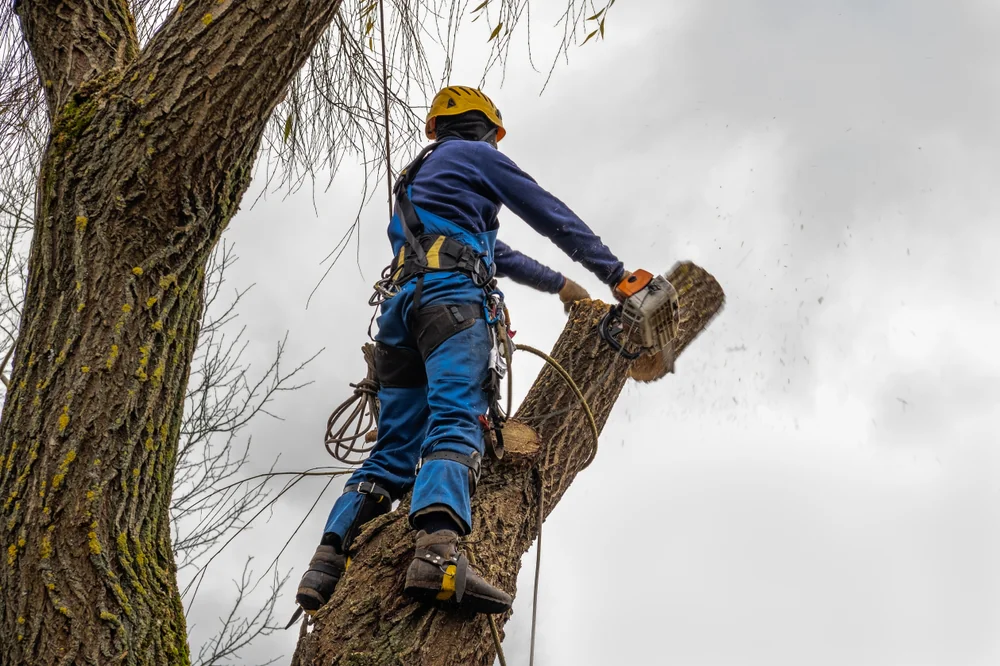
Many people wonder if they should try removing a tree themselves, but DIY tree removal can be extremely risky, even for smaller trees. Professional crews are equipped with proper tools and safety training to complete the job efficiently without injury or damage to property. The equipment required for safe tree removal—chainsaws, rigging systems, safety gear—represents a significant investment that most homeowners don’t have.
Most homeowners don’t have the equipment to remove trees themselves and need professional skills and services to do it safely and swiftly. Attempting tree removal without proper training and equipment can be incredibly dangerous. Beyond the obvious risks of working with chainsaws and heavy branches, there’s the physics of tree removal—understanding how trees fall, how weight distribution changes as you remove sections, and how to prevent property damage during the process.
When homeowners take tree care beyond annual pruning into their own hands, it often leads to personal injury, damage to their own or neighbors’ property, or severe stress to the tree that causes significant damage when the tree eventually falls. Even if you avoid immediate injury, improper removal techniques can create hazardous situations that become apparent only later.
While it may be tempting to attempt tree removal on your own, professionals have the right equipment, experience, and knowledge to do the job safely and efficiently. Plus, professionals are licensed and insured, meaning you won’t be liable for damages or accidents during the process. This insurance protection becomes crucial when you consider the potential costs of injury, property damage, or damage to neighboring properties.
The reality is that tree removal looks simpler than it actually is, and the consequences of mistakes can be severe and expensive.
Making Smart Decisions About Tree Removal
Don’t rush into tree removal unless it’s necessary. Let an ISA-certified professional evaluate the tree first—sometimes trimming or treating the tree is all that’s needed. The key is getting professional assessment before problems become emergencies.
For clients unsure if their tree is truly dead or just struggling, getting an evaluation from an ISA-certified arborist is recommended. The International Society of Arboriculture provides top-notch certifications, and having someone with that credential ensures safe and thorough assessment. In some cases, trees that just need extra care can be saved, but when removal is necessary, it’s done safely.
The bottom line is that tree removal becomes necessary when the risks outweigh the benefits—and professional evaluation helps you make that determination with confidence. If you’re dealing with questionable trees on your Long Island property, we can provide the expert assessment and safe removal services you need to protect your property and family.