Summary:
Why Long Island Trees Need Regular Professional Maintenance
Long Island, NY sits in the crosshairs of some serious weather patterns. Your trees deal with everything from ice storms to hurricane-force winds, and each season brings different stresses that can compromise their health and stability.
Trees that receive consistent professional care don’t just look better—they’re dramatically more likely to survive severe weather without causing property damage. The statistics are telling: areas with regular tree maintenance programs see significantly fewer storm-related outages and property damage claims.
Storm Damage Prevention Through Strategic Tree Care
Here’s what most Long Island homeowners don’t realize: the majority of storm-related tree failures are preventable. Dead branches, weak attachment points, and structural defects don’t develop overnight—they’re problems that build over time and can be identified during regular inspections.
We look for specific warning signs that untrained eyes miss. Co-dominant stems that create weak points. Root systems compromised by construction or soil changes. Branches that have grown too heavy for their supporting structure. These issues become obvious during severe weather, but by then it’s too late.
Crown reduction and proper pruning techniques reduce wind resistance, helping trees flex instead of breaking during storms. Think of it as preventive medicine for your landscape. A properly maintained tree can withstand winds that would destroy a neglected one.
The key is timing these interventions correctly. Late fall through early spring is ideal for most structural pruning work, when trees are dormant and won’t waste energy healing cuts. But emergency situations—like hanging branches after a storm—need immediate attention regardless of season.
Protecting Property Value with Consistent Tree Health Management
Mature trees can add thousands of dollars to your Long Island property value, but only if they’re healthy and well-maintained. Diseased, damaged, or dangerous trees actually decrease property values and create liability concerns that smart buyers avoid.
Regular tree care prevents small problems from becoming expensive emergencies. A diseased branch that costs $200 to remove professionally might require $5,000 in tree removal if the disease spreads to the entire tree. Emergency tree removal after storm damage often costs double or triple normal rates.
Professional tree maintenance also extends tree lifespan significantly. Many Long Island trees that receive regular care live decades longer than neglected ones, providing ongoing benefits like energy savings, air quality improvement, and aesthetic value that compounds over time.
Disease and pest management follow predictable seasonal patterns. Early detection and treatment of issues like scale insects, fungal infections, or nutrient deficiencies can save trees that would otherwise decline rapidly. Regular inspections catch these problems while they’re still manageable and treatment is most effective.
Essential Tree Services for Long Island Homeowners
Not all tree services are necessary for every property, but certain maintenance tasks are non-negotiable for Long Island trees. Understanding what your trees need and when they need it prevents both safety hazards and unnecessary expenses.
The foundation of good tree care is professional assessment. This isn’t something you can do yourself effectively—we have the training and experience to identify problems that aren’t visible to property owners until they become dangerous.
Professional Pruning and Tree Trimming Services
Pruning is the most frequently needed tree service, but it’s also the most commonly botched by well-meaning homeowners. Improper pruning can weaken trees, promote disease, and actually increase storm damage risk rather than reducing it.
Timing matters critically for tree pruning in Long Island, NY. Most deciduous trees should be pruned during dormancy—late fall through early spring—when they won’t lose sap and are less susceptible to insects and diseases. However, oak trees require special timing to prevent oak wilt disease, and fruit trees have their own optimal windows for maintaining productivity.
Different types of pruning serve specific purposes. Deadwood removal eliminates hazardous branches and can be done any time of year. Crown cleaning removes weak, diseased, or crossing branches to improve tree structure. Crown thinning reduces density to improve air circulation and reduce wind resistance without changing the tree’s natural shape.
We understand proper cutting techniques that promote healing and prevent decay. We know where to make cuts, how much to remove safely, and which branches to prioritize. The “topping” practice—cutting branches back to stubs—is particularly damaging and can make trees more dangerous, not less.
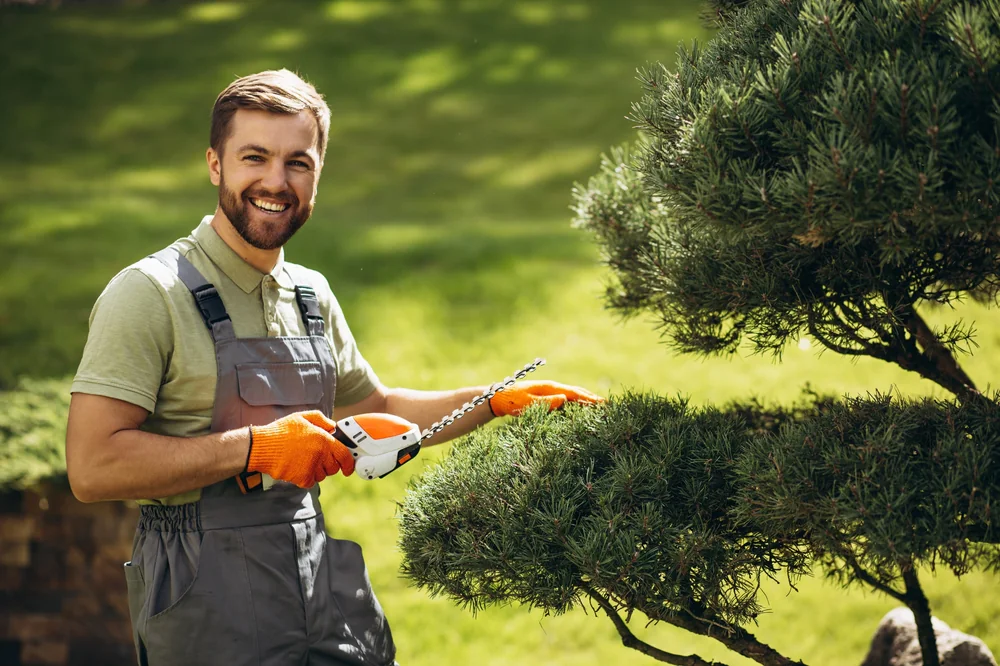
Tree trimmingfor clearance around buildings, power lines, or walkways requires careful planning to maintain tree health while achieving safety goals. This type of work often requires coordination with utility companies and understanding of local regulations.
Emergency Tree Service and Storm Damage Response
Long Island’s weather can change rapidly, and trees that seem stable can become hazardous within hours during severe storms. Having access to reliable emergency tree service isn’t just convenient—it’s essential for property protection and family safety.
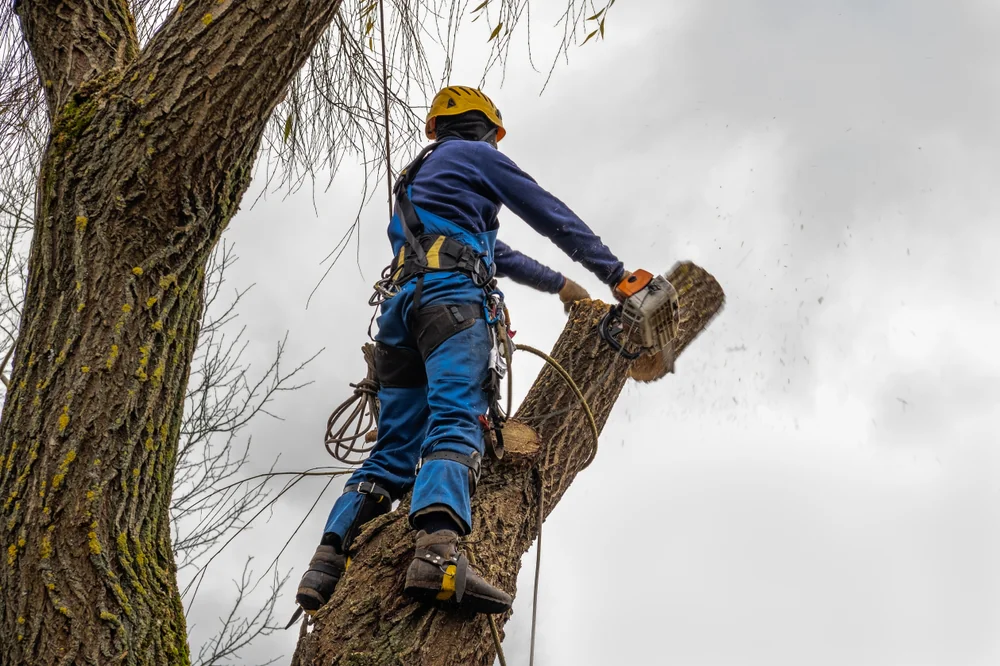
Emergency tree situations require immediate professional response. Hanging branches, partially fallen trees, or trees leaning against structures are all dangerous situations that need expert handling. Attempting DIY removal of storm-damaged trees results in injuries and additional property damage far too often.
We offer 24/7 response and have the equipment necessary to handle dangerous situations safely. This includes crane services for large tree removal, specialized rigging equipment for controlled dismantling, and the experience to work around power lines and structures without causing additional damage.
Preventive measures significantly reduce emergency situations. Regular inspections identify trees that are becoming unstable due to root problems, disease, or structural defects. Addressing these issues proactively is always less expensive and safer than dealing with emergency failures.
After major storms, tree service companies become overwhelmed quickly. Establishing relationships with reputable providers before you need emergency services ensures faster response times when every hour matters for preventing additional damage.
Developing Your Long Island Tree Maintenance Plan
The most effective tree maintenance approach combines regular professional care with prompt attention to emerging problems. Start with a comprehensive assessment to understand your trees’ current condition and specific needs, then build a maintenance schedule around Long Island’s seasonal patterns.
Most Long Island properties benefit from annual professional inspections, seasonal pruning as appropriate, and immediate response to storm damage or obvious health issues. Consistency matters more than intensity—regular, appropriate care prevents most serious problems and extends tree life significantly.
Remember that professional tree care is an investment in your property’s safety, value, and long-term beauty. When you’re ready to protect your trees with a maintenance plan that makes sense for your Long Island, NY property, we have the local experience and expertise to keep your trees healthy and your family safe.