Summary:
Winter Tree Care: The Foundation Season for Healthy Trees
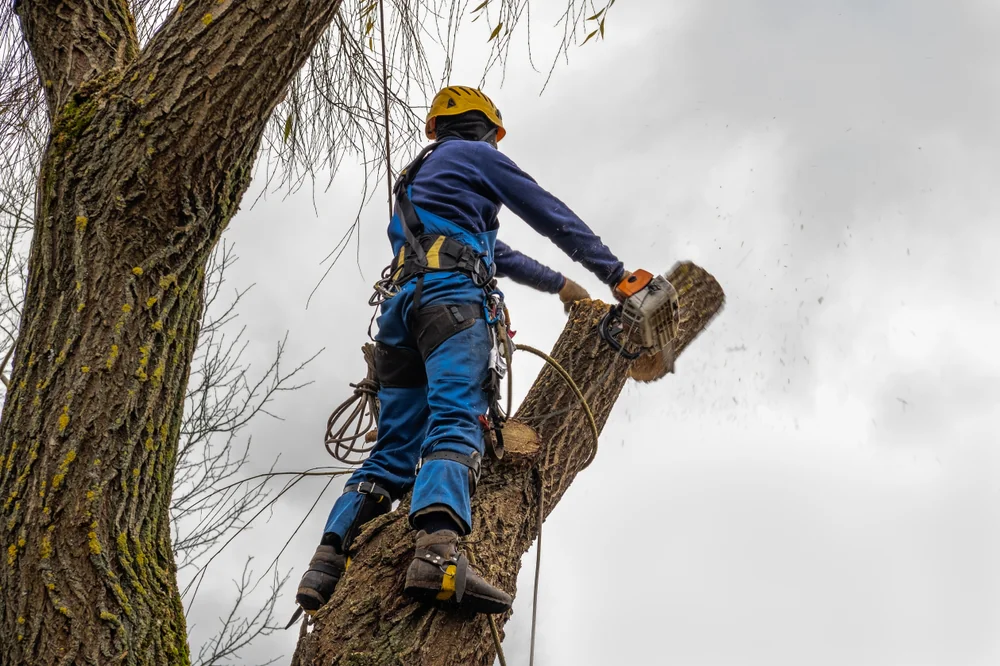
Winter might seem like the quiet season for your trees, but it’s actually the most important time for major tree work. When trees are dormant, they can handle significant interventions without the stress that comes during growing seasons.
This is when smart property owners schedule their big projects. Tree removal, major pruning, and structural work all happen more safely and effectively during winter months. Your trees aren’t putting energy into new growth, so they can focus entirely on healing from any cuts or changes you make.
The cold weather also works in your favor for pest and disease control. Many harmful insects and pathogens are inactive, reducing the risk of spreading problems from tree to tree during maintenance work.
Why Winter Pruning and Tree Removal Work Better
Winter is the safest time for tree removal and stump grinding. The dormant season minimizes stress on the tree and reduces the risk of spreading diseases. When you remove a tree during its dormant period, you’re not interrupting active growth processes that could weaken surrounding trees.
Winter is typically the ideal time for extensive pruning and trimming, and there’s a practical reason beyond tree health. Without leaves blocking your view, we can clearly see the tree’s structure. Dead branches, weak connections, and potential problems become obvious when the tree is bare.
This visibility advantage means more precise work. Instead of guessing what’s happening inside a full canopy, our professionals can make targeted cuts that improve the tree’s long-term structure. You’ll also see exactly what you’re getting—no surprises when the leaves come back in spring.
The timing works for your schedule too. Winter tree work happens when most people aren’t using their yards heavily. There’s less disruption to outdoor activities, and you won’t be dealing with contractors during peak gardening season.
Weather considerations matter, but experienced tree services work safely in cold conditions. The key is avoiding the most extreme weather days and working with companies that have proper equipment for winter conditions.
Preparing Trees for Long Island Storm Season
Winter is the safest time for tree removal and stump grinding. The dormant season minimizes stress on the tree and reduces the risk of spreading diseases. When you remove a tree during its dormant period, you’re not interrupting active growth processes that could weaken surrounding trees.
Winter is typically the ideal time for extensive pruning and trimming, and there’s a practical reason beyond tree health. Without leaves blocking your view, we can clearly see the tree’s structure. Dead branches, weak connections, and potential problems become obvious when the tree is bare.
This visibility advantage means more precise work. Instead of guessing what’s happening inside a full canopy, our professionals can make targeted cuts that improve the tree’s long-term structure. You’ll also see exactly what you’re getting—no surprises when the leaves come back in spring.
The timing works for your schedule too. Winter tree work happens when most people aren’t using their yards heavily. There’s less disruption to outdoor activities, and you won’t be dealing with contractors during peak gardening season.
Weather considerations matter, but experienced tree services work safely in cold conditions. The key is avoiding the most extreme weather days and working with companies that have proper equipment for winter conditions.
Spring Through Fall: Active Growing Season Tree Care
Once your trees wake up from winter dormancy, your focus shifts from major structural work to health maintenance and problem prevention. The growing season brings new opportunities and new challenges that require a different approach.
Spring is the perfect time for a tree health inspection. This is also the ideal time for tree pruning to promote healthy growth and shape the tree for the upcoming growing season. But the work doesn’t stop there—each month through fall brings specific tasks that keep your trees thriving.
Understanding what your trees need during active growth helps you stay ahead of problems instead of reacting to them. The key is matching your maintenance schedule to what’s actually happening with your trees and the local environment.
Spring Tree Services: Setting Up Success for the Growing Season
Spring tree care focuses on getting your trees ready for their most active growing period. Our certified arborists can identify any potential issues that may have arisen over the winter during comprehensive health inspections.
This is when you’ll spot winter damage that needs attention—broken branches, bark splits from ice, or signs that animals have been active around your trees. Addressing these issues early prevents them from becoming bigger problems as the tree puts energy into new growth.
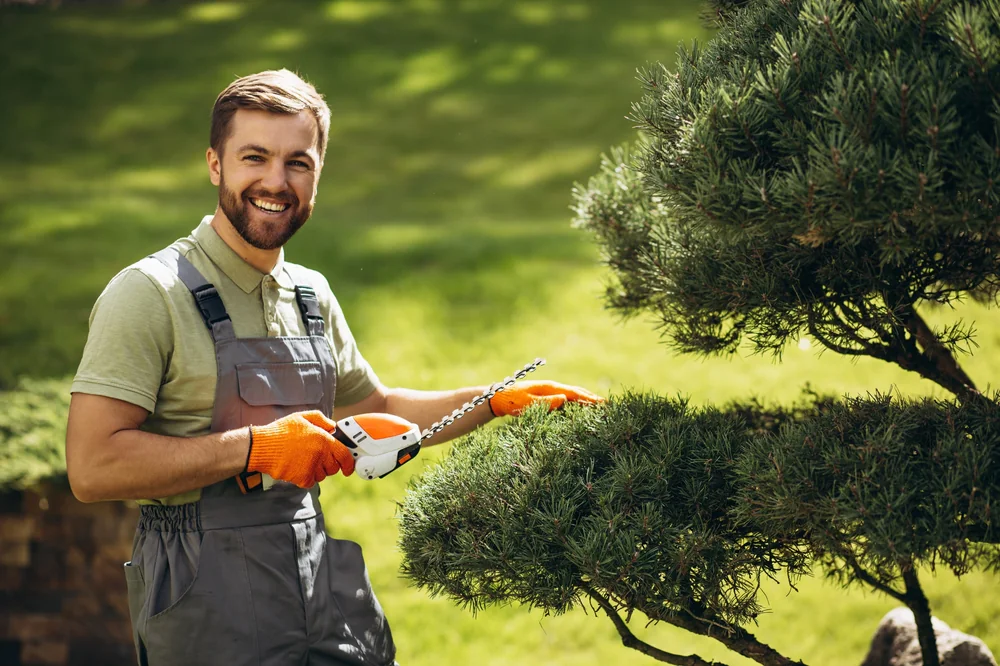
Light pruning during spring helps direct that new growth energy where you want it. Dead-heading, removing suckers, and making small structural corrections guide your trees toward healthy development patterns.
Spring is a good time to prune out damaged parts of trees and other plants, which may have occurred from harsh winter. You can prepare your yard for summer by removing deadwood and unwanted parts of existing landscaping.
Fertilization timing matters in spring. Trees are starting to move nutrients and water more actively, so properly timed feeding supports robust new growth. But timing varies by tree species and local conditions—what works for oaks might not work for maples.
Pest monitoring becomes critical during spring months. Many insects and diseases are active during the spring months, so check your trees and shrubs regularly for any sign of pest activity. Early detection means easier, less expensive treatment options.
Summer and Fall Maintenance: Managing Stress and Preparing for Dormancy
During the hot summer months, regular tree maintenance is crucial. This includes watering, mulching, and monitoring for pests or diseases. Summer stress management keeps your trees healthy when conditions are toughest.
Water management becomes your primary concern during Long Island’s hot, humid summers. Established trees usually handle heat well, but drought conditions can weaken them and make them susceptible to pest attacks. Deep, infrequent watering works better than frequent shallow watering.
Heavy pruning during the summer can expose trees to excessive sun and heat, which can be harmful. Limit pruning to only necessary maintenance tasks. Save major pruning projects for dormant season, but don’t ignore safety issues that develop during summer.
Pest pressure peaks during summer months. Invasive species like spotted lanternfly can cause large numbers of feeding damage leading to plant stress, reduced health, and in some cases death. Regular monitoring helps catch infestations before they become severe.
Fall is the best time for tree trimming. Removing dead or diseased branches can prevent damage during winter storms. It’s also a good time to prepare your trees for the cold months ahead by applying a layer of mulch around the base to insulate the roots.
Fall preparation work sets your trees up for winter success. This includes final health assessments, structural pruning to remove storm-vulnerable branches, and soil care to help roots stay healthy through cold weather.
The goal is entering winter with trees that are as healthy and structurally sound as possible. Problems you ignore in fall often become emergencies during winter storms.
Professional Tree Care: Your Year-Round Partner for Healthy Trees
Seasonal tree care isn’t just about following a calendar—it’s about understanding what your specific trees need based on their species, age, health, and local conditions. Every property is different, and cookie-cutter approaches often miss critical details that make the difference between thriving trees and ongoing problems.
We have more than 20 years of experience in the industry, with extensively trained technicians who use the highest quality tools and equipment and have the knowledge and skill to deliver fast, reliable results.
The investment in proper seasonal care pays off in multiple ways: healthier trees, reduced emergency situations, lower long-term costs, and peace of mind knowing your property is protected. When you need expert guidance on seasonal tree care or emergency services, we provide the experience and reliability your trees deserve.