Summary:
The Importance of Tree Safety in Long Island
Tree safety is a significant consideration for property owners throughout Long Island. The area experiences a range of weather conditions, from coastal storms and high winds to heavy snow in winter, all of which can affect tree stability. Professional tree removal and maintenance become vital not just for the appearance of your landscape but for the safety of your property and its occupants. Practices like regular tree trimming and specific tree pruning methods are not merely cosmetic; they are fundamental aspects of maintaining structural soundness and overall tree health. These actions help prevent branches from becoming hazardous during storms. Furthermore, routine tree inspections form the basis of proactive care. A scheduled tree risk assessment allows arborists to spot potential problems, like decay, disease, or structural weaknesses, before they escalate into serious hazards. Addressing these issues promptly helps keep your trees a positive feature of your property rather than a potential liability. Keeping trees healthy contributes directly to a safer environment around your home or business.
Tree Trimming and Pruning Techniques for Safety
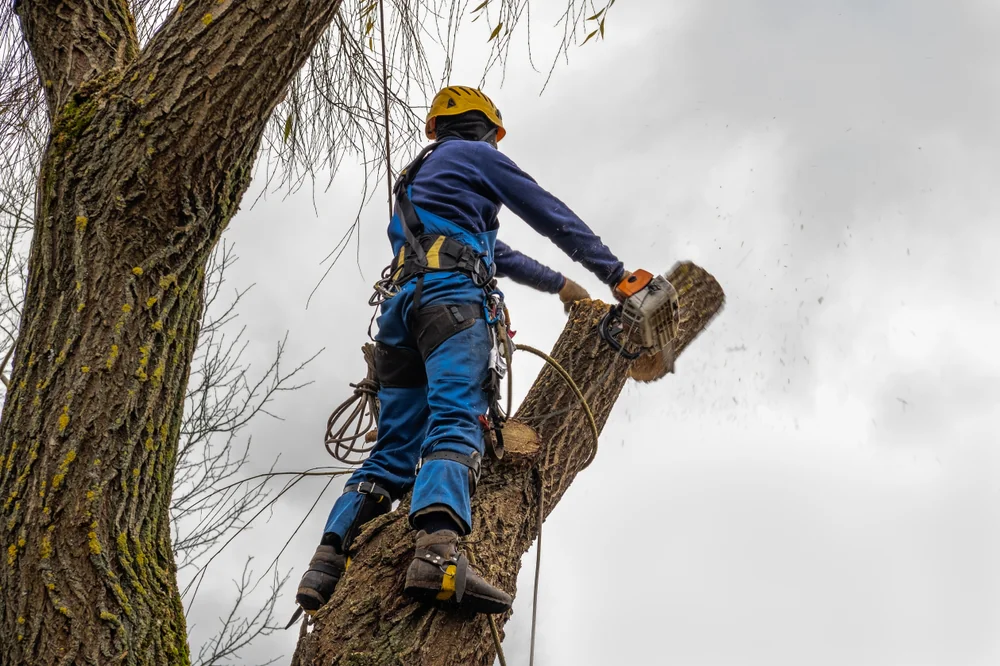
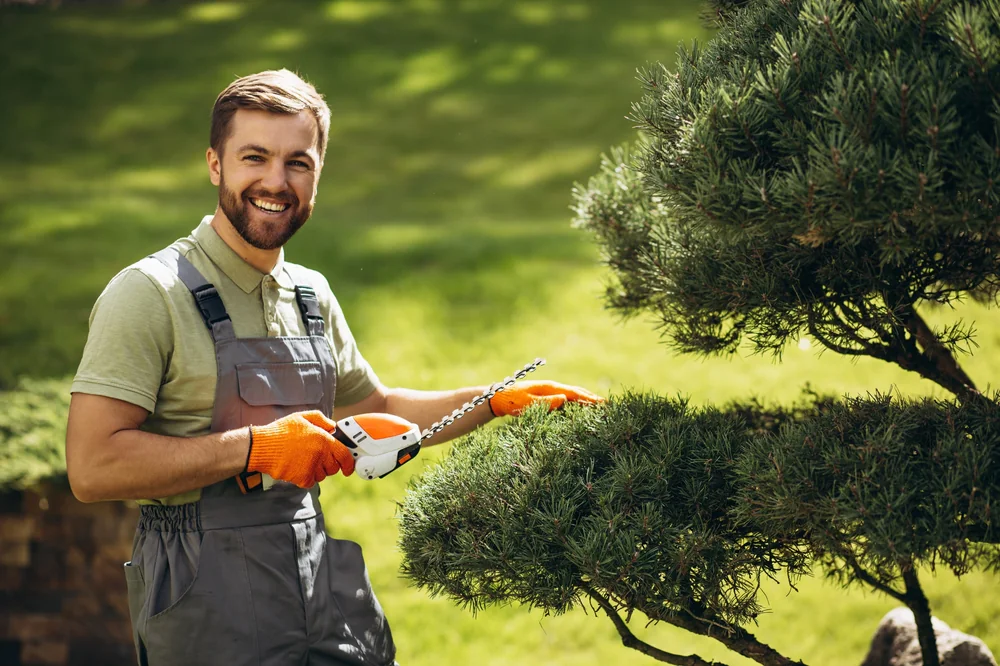
Correct tree trimming and tree pruning are foundational elements of responsible tree removal and maintenance. Professional arborists utilize specific, standardized techniques based on guidelines like the ANSI A300 standards. Methods such as crown cleaning involve removing dead, dying, diseased, or weakly attached branches from the tree’s canopy. Crown thinning selectively removes branches to increase light penetration and air movement, which can reduce stress during high winds. Crown raising removes lower branches to provide clearance for pedestrians, vehicles, or buildings. Crown reduction decreases the height or spread of a tree carefully, using specific cuts that minimize potential decay. These methods promote healthier growth patterns, improve the tree’s structure, and lower the chance of branch failure, especially important in Long Island’s variable weather. Improper cuts, conversely, can harm the tree, making it more susceptible to pests, disease, and structural problems. Safety during the trimming process itself involves using appropriate climbing gear, ropes, harnesses, and cutting tools like chainsaws and pole saws, operated only by trained personnel who establish secure work zones below.
Tree Risk Assessment and Protective Protocols
Correct tree trimming and tree pruning are foundational elements of responsible tree removal and maintenance. Professional arborists utilize specific, standardized techniques based on guidelines like the ANSI A300 standards. Methods such as crown cleaning involve removing dead, dying, diseased, or weakly attached branches from the tree’s canopy. Crown thinning selectively removes branches to increase light penetration and air movement, which can reduce stress during high winds. Crown raising removes lower branches to provide clearance for pedestrians, vehicles, or buildings. Crown reduction decreases the height or spread of a tree carefully, using specific cuts that minimize potential decay. These methods promote healthier growth patterns, improve the tree’s structure, and lower the chance of branch failure, especially important in Long Island’s variable weather. Improper cuts, conversely, can harm the tree, making it more susceptible to pests, disease, and structural problems. Safety during the trimming process itself involves using appropriate climbing gear, ropes, harnesses, and cutting tools like chainsaws and pole saws, operated only by trained personnel who establish secure work zones below.
Advanced Tree Care: Supporting Health and Stability
Beyond basic pruning, advanced tree care focuses on promoting long-term tree health and stability, which inherently contributes to safety. Tree fertilization is often necessary, especially in urban or suburban environments where soil nutrients may be depleted. Arborists assess soil conditions and tree needs before recommending a fertilization plan. Techniques might include deep-root fertilization, where liquid nutrients are injected into the root zone, or granular slow-release fertilizers applied to the soil surface. Similarly, tree pest control is vital for preventing infestations that can weaken or kill trees. Integrated Pest Management (IPM) strategies are often employed, focusing on monitoring pest populations and using the least toxic methods first. This might involve introducing beneficial insects, applying horticultural oils, or using targeted systemic treatments only when necessary. Healthy, well-nourished trees with managed pest populations are generally stronger and less likely to develop hazardous conditions, making them safer components of your landscape. This proactive approach is part of responsible tree removal and maintenance.
Understanding Tree Disease Treatment Methods
Prompt identification and appropriate tree disease treatment are important for preserving tree health and preventing decline that could lead to safety issues. Arborists serving Long Island are familiar with common local diseases affecting species prevalent in the area. Diagnosis involves recognizing symptoms like leaf spots, cankers, wilting, or dieback. Treatment approaches vary widely depending on the specific disease and the tree affected. Some fungal diseases might be managed through fungicidal sprays or trunk injections, applied at specific times of the year for maximum effectiveness. Bacterial infections might require pruning out affected branches using sterilized tools to prevent spread. In some cases, improving overall tree vitality through proper watering, mulching, and fertilization can help the tree’s natural defenses fight off infection. For certain conditions, unfortunately, removal might be the only viable option to prevent the disease from spreading to other trees. Timely intervention offers the best chance of saving a diseased tree and managing any associated risks as part of tree removal and maintenance.
Utilizing Cabling and Bracing for Tree Stability
When a tree risk assessment identifies structural weaknesses, such as co-dominant stems (two large stems growing closely together) with included bark or heavy, overextended limbs, cabling and bracing systems can sometimes provide supplemental support. Tree cabling involves installing high-strength steel cables between major limbs in the upper canopy. These cables help redistribute stress during high winds or heavy snow/ice loads, reducing the likelihood of branch failure. Different systems exist, including dynamic systems that allow some movement and static systems that offer more rigid support. Tree bracing uses threaded steel rods installed through weak points, like unions or cracked stems, to provide more rigid support lower down the tree. These systems are installed according to specific industry standards (ANSI A300 Part 3) to minimize injury to the tree while providing effective support. Installation requires careful planning and execution by trained arborists. While these systems don’t make a tree entirely safe, they can significantly reduce risk and prolong the life of a valuable tree, forming a specialized part of tree removal and maintenance planning. Regular inspection of these systems is also necessary.
Working Towards Tree Safety and Health with Professionals
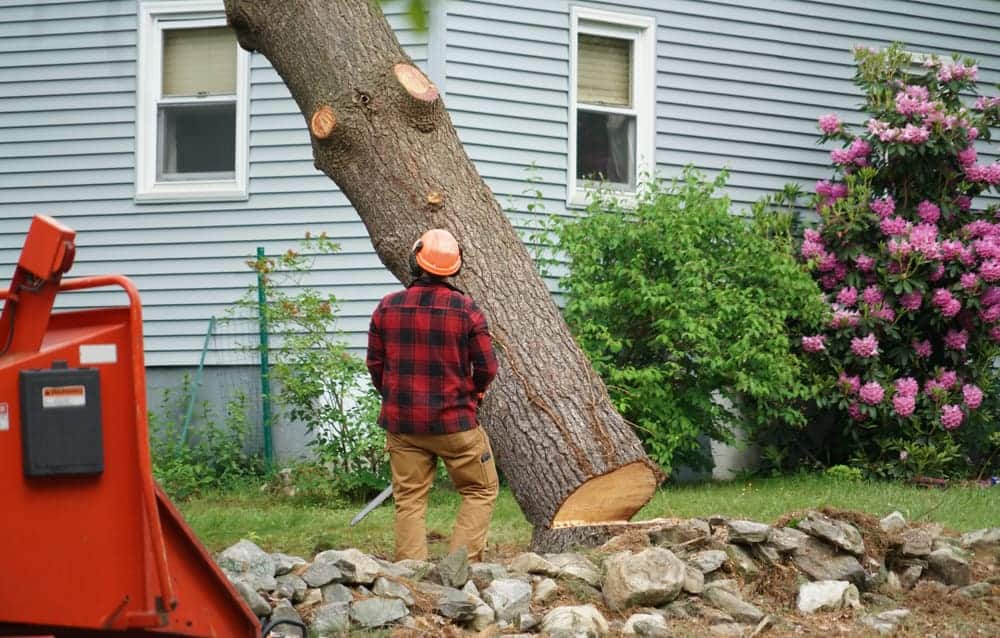
To summarize, the safety protocols professional arborists employ during tree removal and maintenance are multifaceted and systematic. They begin with careful assessment through tree inspection and tree risk assessment, identifying potential hazards specific to Long Island’s environment. Techniques like appropriate tree trimming and tree pruning are applied not just for appearance but for structural soundness. When needed, advanced interventions such as tree fertilization, tree pest control, tree disease treatment, and the installation of cabling and bracing systems are used to support tree health and stability. These combined efforts help manage the inherent risks associated with tree work and promote the longevity of your trees. If you have concerns about the trees on your Long Island property, reach out to Long Island Best Tree Service, Inc. for professional assessment and service.