Summary:
Understanding Tree Trimming and Its Importance
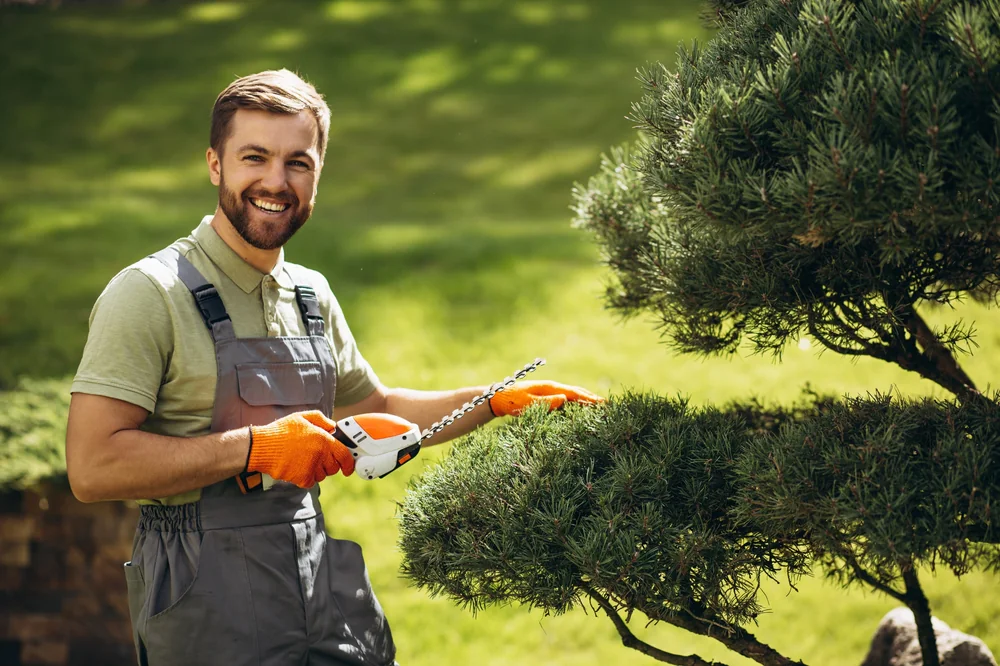
Tree trimming involves the selective removal of branches from a tree. Unlike tree removal, the goal here is not to eliminate the tree but to maintain or improve its health, appearance, and safety. Proper tree trimming can prolong a tree’s life, encourage better fruit or flower production, and prevent property damage. There are several types of trimming, each serving a specific purpose. Crown thinning involves removing smaller branches, typically at the outer canopy, to allow more light penetration and air circulation, which can reduce the risk of disease. Crown raising means removing lower branches to provide clearance for pedestrians, vehicles, or buildings. Crown reduction decreases the overall size of the tree canopy, often necessary when a tree has outgrown its space but complete tree removal isn’t desired or required.
Regular tree trimming is a vital part of preventative tree maintenance, especially on Long Island where coastal storms like nor’easters and hurricanes can bring strong winds. Well-maintained trees with balanced canopies and no weak or overhanging branches are less likely to suffer catastrophic failure during severe weather. Trimming removes branches that might rub against each other, creating wounds susceptible to pests and disease. It also addresses limbs growing too close to power lines or structures, mitigating potential hazards. Attempting significant tree trimming without proper knowledge can harm the tree or lead to unsafe conditions; therefore, consulting a qualified service like Long Island Best Tree Service, Inc. is advisable for effective tree care. They understand how different species respond to trimming and apply correct techniques.
When to Consider Tree Pruning
Tree pruning is often used interchangeably with tree trimming, but it typically implies a more targeted approach focused specifically on the tree’s health and structure. While trimming might be done for aesthetic reasons or clearance, pruning prioritizes the removal of dead, diseased, damaged, or weakly attached branches. This removal helps prevent the spread of decay or disease to healthier parts of the tree and eliminates branches that are likely to fall and cause injury or damage. Proper tree pruning can also improve the structural integrity of a young tree, guiding its growth pattern to develop a strong central leader and well-spaced branches.
Identifying branches that require pruning takes a trained eye. Deadwood might be obvious, but spotting early signs of disease or weak branch unions requires understanding tree biology. Pruning at the right time of year is also beneficial; for many deciduous trees on Long Island, late fall or winter (dormant season) is ideal, as it minimizes sap loss and reduces the risk of pest infestation at the wound sites. However, dead or hazardous branches should be pruned immediately, regardless of the season. For homeowners noticing concerning branches, seeking professional tree pruning from a service familiar with local conditions, like Long Island Best Tree Service, Inc., helps maintain tree vitality. Incorrect pruning cuts can damage the tree as much as the problem they aim to fix, making professional intervention a sound choice over attempting complex tree pruning yourself.
The Role of an Arborist in Tree Care
Tree pruning is often used interchangeably with tree trimming, but it typically implies a more targeted approach focused specifically on the tree’s health and structure. While trimming might be done for aesthetic reasons or clearance, pruning prioritizes the removal of dead, diseased, damaged, or weakly attached branches. This removal helps prevent the spread of decay or disease to healthier parts of the tree and eliminates branches that are likely to fall and cause injury or damage. Proper tree pruning can also improve the structural integrity of a young tree, guiding its growth pattern to develop a strong central leader and well-spaced branches.
Identifying branches that require pruning takes a trained eye. Deadwood might be obvious, but spotting early signs of disease or weak branch unions requires understanding tree biology. Pruning at the right time of year is also beneficial; for many deciduous trees on Long Island, late fall or winter (dormant season) is ideal, as it minimizes sap loss and reduces the risk of pest infestation at the wound sites. However, dead or hazardous branches should be pruned immediately, regardless of the season. For homeowners noticing concerning branches, seeking professional tree pruning from a service familiar with local conditions, like Long Island Best Tree Service, Inc., helps maintain tree vitality. Incorrect pruning cuts can damage the tree as much as the problem they aim to fix, making professional intervention a sound choice over attempting complex tree pruning yourself.
Tree Removal: When It's Necessary
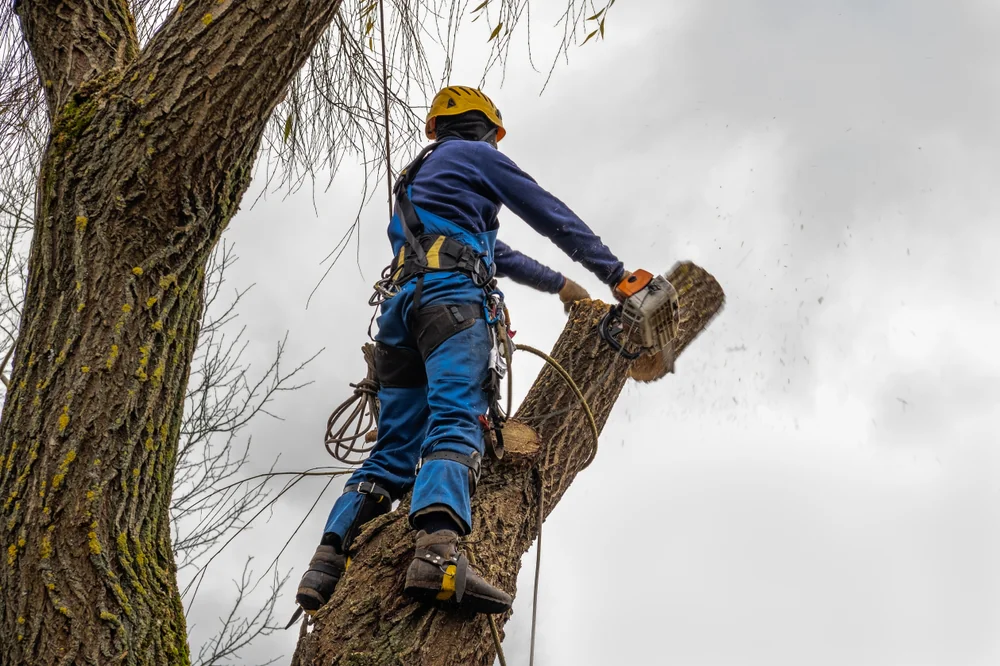
Tree removal involves cutting down and taking away an entire tree. Unlike tree trimming or pruning, which aim to preserve the tree, tree removal is typically a last resort when the tree cannot be saved or poses a significant threat. Several situations necessitate tree removal. A primary reason is if the tree is dead or dying. Such trees can become unstable and hazardous, especially during Long Island’s storms. Similarly, a tree heavily infested with pests or suffering from an incurable disease might require removal to prevent the problem from spreading to nearby healthy trees. Structural issues, such as internal decay, large cavities, significant leans, or compromised root systems, can make a tree unsafe, warranting tree removal.
Sometimes, healthy trees need removal if they are causing property damage, like roots interfering with foundations or plumbing, or if they are located in the way of planned construction or landscaping projects. Trees growing too close to buildings or utility lines can also present ongoing risks that trimming cannot adequately manage, leading to the decision for tree removal. After severe storms, trees might be damaged beyond recovery, making emergency tree removal the only safe option. Attempting tree removal without professional training and equipment is extremely dangerous. Long Island Best Tree Service, Inc. provides professional tree removal services, utilizing proper techniques and equipment to safely dismantle and remove trees, minimizing risk to your property and personnel. Recognizing when tree removal is unavoidable is key to responsible property management.
Stump Grinding: Completing the Removal Process
After a tree removal operation, the stump remains. While some people leave stumps, they can be unsightly, pose tripping hazards, attract pests like termites and ants, and potentially resprout. Stump grinding is the standard method for addressing this remnant. It involves using a specialized machine equipped with a high-speed rotating cutting wheel that grinds the stump and major roots into small wood chips or mulch. The grinder systematically chips away at the stump wood, typically reaching a depth of 6 to 12 inches below ground level, although deeper grinding is possible if needed, for instance, for replanting in the same spot.
This process effectively obliterates the stump, unlike stump removal, which involves digging out the entire root ball and can be highly disruptive to the surrounding landscape. Stump grinding is much less invasive. The resulting wood chips are usually left piled in the hole where the stump was, and they can be used as mulch elsewhere in your garden, spread out to decompose naturally, or removed from the property by the tree service company. For Long Island homeowners, completing a tree removal with stump grinding restores the usability and appearance of the area, making lawn maintenance easier and eliminating potential hazards. Long Island Best Tree Service, Inc. offers stump grinding as part of their tree removal services or as a standalone service for existing stumps.
Emergency Tree Services in Long Island
Tree-related emergencies can happen unexpectedly, often triggered by severe weather but sometimes resulting from sudden structural failure. Situations like a tree falling onto a house, blocking a driveway, or splitting precariously require immediate attention. This is where emergency tree service becomes vital. Unlike scheduled tree trimming or planned tree removal, emergency services demand rapid response and specialized handling due to the often hazardous conditions involved. Dealing with storm-damaged trees, which may be unstable or entangled with power lines, requires expertise and caution to prevent further damage or injury.
Long Island Best Tree Service, Inc. provides emergency tree service across Long Island, understanding the urgency these situations entail. Their teams are equipped to handle fallen trees, dangerous hanging limbs (widowmakers), and trees damaged by wind, snow, or ice. A swift response can help secure your property and prevent a bad situation from getting worse. If you experience a tree emergency, it’s important to stay clear of the area and contact a professional service immediately. Attempting to handle large fallen trees or limbs yourself is highly risky. Relying on an established emergency tree service gives you access to the necessary skills and equipment to safely manage the crisis any time of day or night. Their prompt action after a storm can be essential for restoring safety and accessibility to your property.
Choosing the Right Tree Service for Your Needs
In summary, both tree trimming and tree removal are important components of responsible tree care, but they serve distinct purposes and are appropriate under different circumstances. Tree trimming and pruning focus on maintaining a tree’s health, safety, and aesthetics, preserving it as a valuable asset. In contrast, tree removal is reserved for trees that are dead, diseased, hazardous, or otherwise problematic beyond the scope of trimming. Understanding this difference helps Long Island homeowners make informed decisions about their landscape. Whether you require routine tree maintenance like trimming, targeted tree pruning, necessary tree removal, subsequent stump grinding, or urgent emergency tree service, partnering with a qualified professional is paramount. Long Island Best Tree Service, Inc. offers knowledgeable arborists and skilled crews to handle all aspects of tree care on Long Island. Contact us today to discuss your trees’ needs and schedule a consultation for professional assessment and service.