Summary:
Identifying Visual Clues of Tree Disease
Observing changes in your tree’s appearance is key to spotting potential diseases. For instance, leaves turning yellow, brown, or spotted during the growing season might indicate fungal infections, nutrient deficiencies common in some Long Island soils, or even root issues. Look closely at the trunk and branches for unusual growths like mushrooms or shelf-like fungi, particularly near the base or on large limbs, as these often signal internal decay. Cankers, which are dead sections of bark that appear sunken or discolored, and areas oozing sap can also point to disease problems. If you notice these signs, contacting a certified arborist or tree surgeon through a trusted local tree service is a sensible next step for accurate diagnosis and appropriate tree care advice.
Detecting Signs of Pest Infestations
Insect infestations can rapidly weaken a tree. Be watchful for small holes in the bark, sometimes arranged in patterns, which could indicate boring insects. Sawdust-like material, called frass, accumulating at the base of the tree or in bark crevices is another apparent sign of borers. Additionally, inspect leaves for signs of chewing, skeletonization (where only veins remain), or discoloration caused by sap-sucking insects. Some pests, like scale insects, appear as small bumps on branches or leaves. A professional tree company can help identify the specific pest involved and determine the best course of action, potentially involving targeted treatments. Prompt action recommended by your local tree service can prevent further damage.
The Role of a Certified Arborist in Diagnosis
Insect infestations can rapidly weaken a tree. Be watchful for small holes in the bark, sometimes arranged in patterns, which could indicate boring insects. Sawdust-like material, called frass, accumulating at the base of the tree or in bark crevices is another apparent sign of borers. Additionally, inspect leaves for signs of chewing, skeletonization (where only veins remain), or discoloration caused by sap-sucking insects. Some pests, like scale insects, appear as small bumps on branches or leaves. A professional tree company can help identify the specific pest involved and determine the best course of action, potentially involving targeted treatments. Prompt action recommended by your local tree service can prevent further damage.
Why Professional Tree Care is Often Necessary
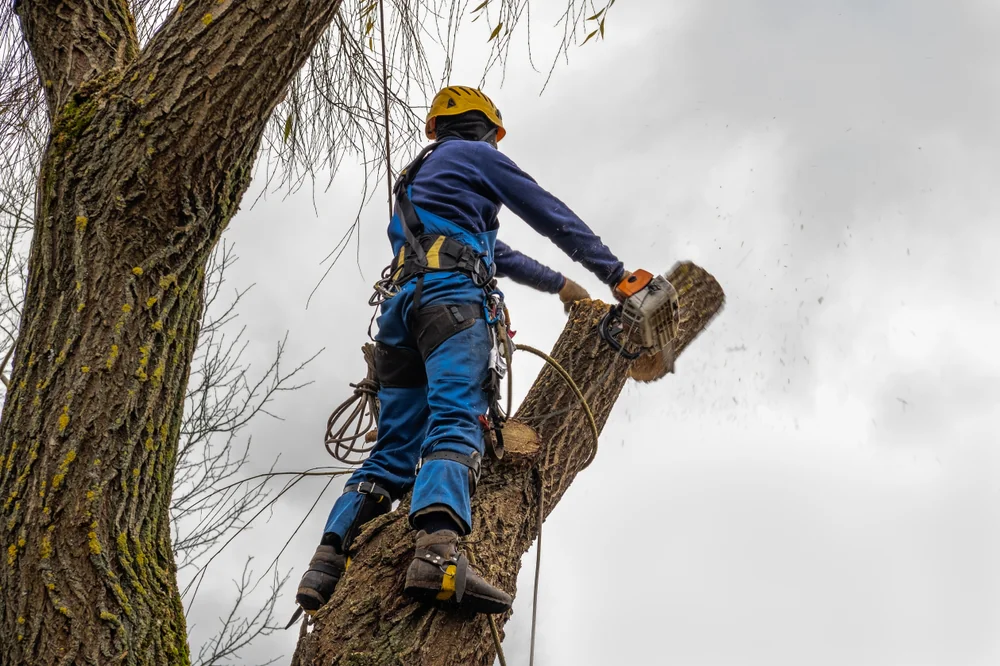
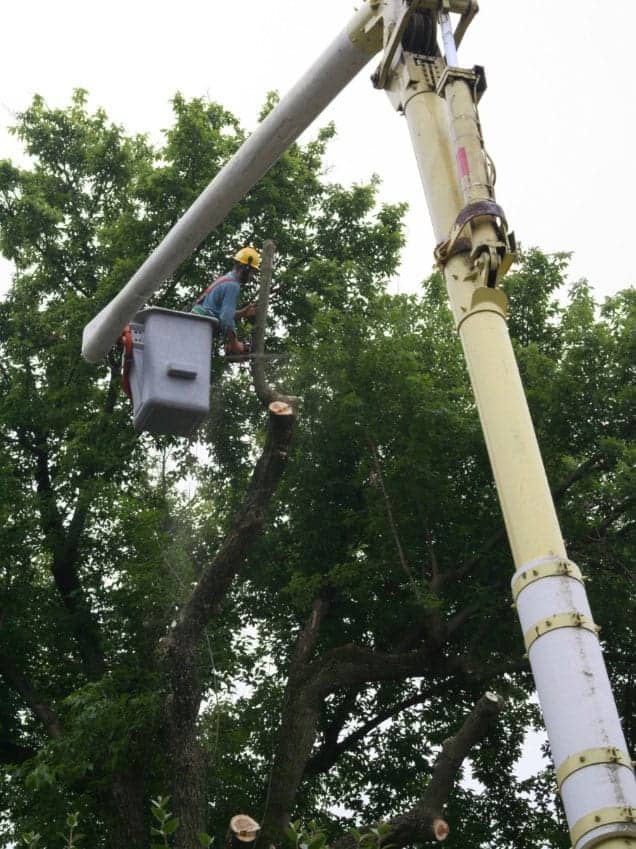
While minor issues might seem manageable, attempting complex tree treatments or large-scale pruning without proper knowledge can inadvertently harm the tree or pose safety risks. Tasks like removing large, diseased limbs require specific cutting techniques to promote healing and avoid further infection. Furthermore, structural support systems like tree cabling and bracing involve installing hardware (steel cables or threaded rods) at precise points to reduce strain on weak branches or multiple stems. A qualified tree surgeon understands the mechanics involved and uses specialized equipment to perform these tasks safely, especially important for trees potentially weakened before Long Island storms. Consulting a professional local tree service minimizes risks and supports the tree’s stability.
The Importance of Preventive Tree Maintenance
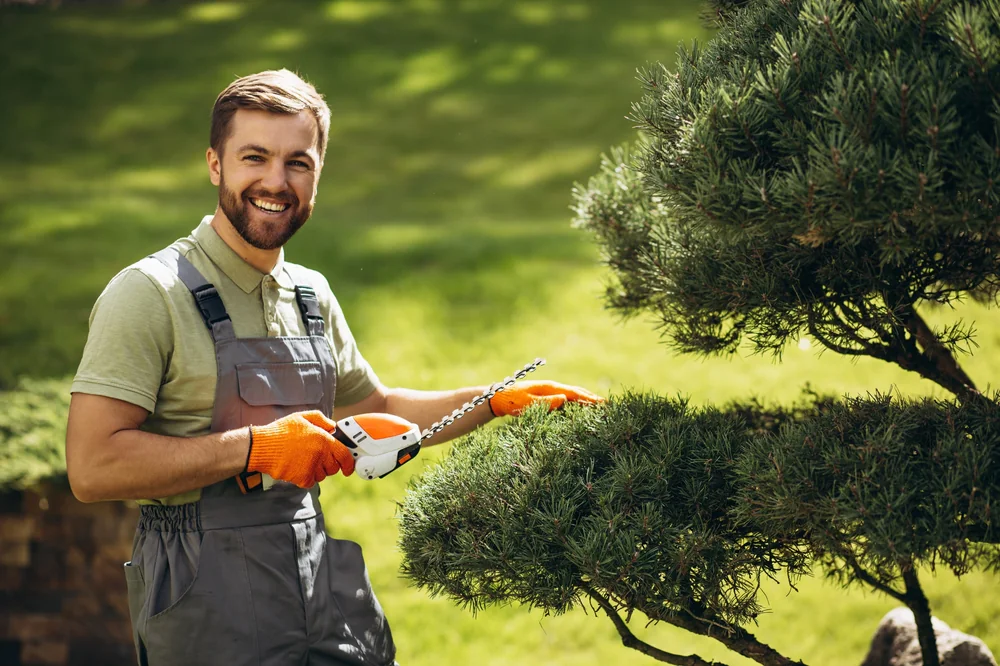
Consistent tree maintenance is a proactive approach to preventing many common diseases and infestations. Regular inspections by a local tree service allow for early detection of potential problems. Proper pruning, which involves more than just removing dead branches, is vital. Techniques like crown cleaning remove dead, dying, or diseased wood, while crown thinning selectively removes branches to improve light penetration and air circulation, reducing conditions favorable for fungi. Fertilization, when needed, should be based on soil conditions; sometimes deep-root feeding methods are used to deliver nutrients directly to the root zone. This ongoing care helps maintain tree vigor, making them less susceptible to issues.
Knowing When to Contact a Tree Company
Don’t hesitate to contact a reputable tree company if you observe any concerning signs discussed earlier, even if you’re unsure of their severity. Early intervention often leads to more successful and less costly outcomes compared to addressing advanced problems. A professional assessment can confirm if an issue exists, identify the cause, and outline treatment options. For Long Island residents, Long Island Best Tree Service, Inc. offers evaluations and provides guidance personalized to our local environment. Acting promptly is key to responsible tree stewardship; reach out to your local tree service for assistance.
Taking Proactive Steps for Your Tree's Health
In conclusion, being observant of changes in your trees—from leaf color to bark condition and pest activity—is fundamental for maintaining a thriving landscape on Long Island. Recognizing signs of distress and understanding when professional help is needed allows for timely interventions. Should you suspect disease or infestation, the expertise of a certified arborist or tree surgeon is invaluable. Long Island Best Tree Service, Inc. is prepared to offer the professional tree care your landscape requires. Contact us today to schedule an assessment with our local tree service and take proactive steps toward preserving the health and structure of your trees.