Tree Service in Wyandanch, NY

Safe, Professional Tree Care You Can Trust

We’re licensed arborists handling everything from emergency removals to routine maintenance across Wyandanch and Long Island.

Looking up at a group of tall trees with thick trunks and vibrant green foliage, one might consider the necessity of tree trimming in Suffolk County, NY. Sunlight filters through the leaves, creating a dappled effect on the branches.

Hear from Our Customers

A tree surgeon wearing protective gear, including a helmet, ear protection, and harness, uses a chainsaw to cut a large tree trunk surrounded by green ivy. The background shows a clear sky and blurred foliage. For expert assistance, trust the premier tree service Nassau County relies on.

Professional Tree Care Services

Your Property Protected, Your Trees Healthy

You need trees that enhance your property, not threaten it. When branches hang over your roof or power lines, when storm damage leaves dangerous limbs, when diseased trees start dropping debris – that’s when you need real expertise.

Professional tree care means your home stays safe from falling branches. Your landscape looks intentional, not overgrown. Your healthy trees get the maintenance they need to thrive for decades, while problematic ones get removed before they cause damage.

The right tree service eliminates the worry. No more looking up at that dead branch during every storm. No more wondering if that leaning tree will make it through another winter. Just a well-maintained property where trees add value instead of risk.

Wyandanch Tree Company

Local Arborists Who Know Long Island Trees

We’ve been handling tree care across Wyandanch and surrounding communities for years. We understand how coastal weather affects local tree species, from the oak trees that dominate older neighborhoods to the pines that struggle with salt air.

Our team includes licensed arborists who can diagnose tree health issues before they become expensive problems. We’re fully insured because tree work involves real risks – to your property and to the people doing the work.

When you call us, you’re working with professionals who live and work in this area. We know which trees typically cause problems after storms, and we know how to handle the cleanup properly.
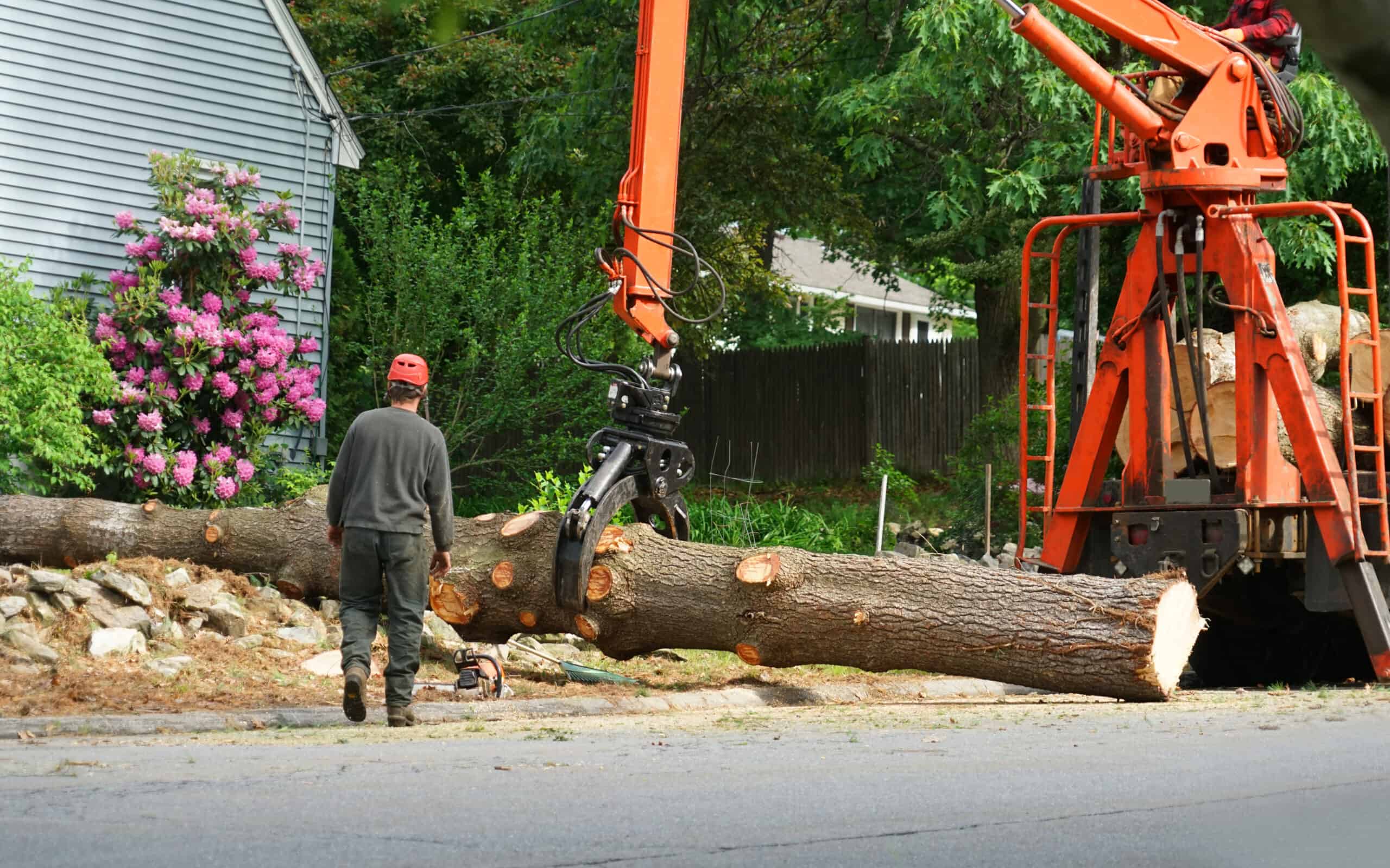
A worker wearing a red hard hat and dark clothing stands next to a large fallen tree trunk being lifted by an orange crane on a residential street. A chainsaw lies on the ground nearby, with a gray house and pink flowering shrub in the background, showcasing tree company Suffolk County expertise.

Tree Service Process

Straightforward Process, Professional Results

First, we assess your situation in person. Whether it’s emergency storm damage or planned tree maintenance, we evaluate what needs to happen and explain your options clearly. No pressure, no upselling – just honest recommendations based on what we see.

Next, we provide a detailed estimate that covers the work, cleanup, and any permits required. Tree removal in residential areas often requires permits, and we handle that process so you don’t have to navigate town regulations.

Then we schedule the work at a time that works for you. Our crews arrive with professional equipment, complete the job safely, and handle all cleanup. We don’t leave until your property looks better than when we arrived – no wood chips in your flower beds, no branches left behind.

A person wearing gloves uses a chainsaw to cut a tree branch in a forest during autumn. Fallen leaves cover the ground, and cut logs are scattered in the background. Sunlight filters through the trees.

Ready to get started?

Explore More Services

About Long Island Best Tree Service

Get a Free Consultation

Complete Tree Care Services

Everything Your Trees Need, Done Right

Our tree service includes removal of dangerous or unwanted trees, professional trimming to maintain tree health, and emergency response when storms cause immediate hazards. We handle stump grinding so you don’t have unsightly stumps affecting your landscape.

Tree trimming isn’t just cutting branches – it’s understanding how each cut affects tree growth and health. Poor trimming can weaken trees and create future problems. Our arborists know how to trim trees to promote healthy growth while removing hazardous branches.

Emergency tree service means we respond quickly when trees threaten your home or block access to your property. Storm damage can’t wait for a convenient appointment time, so we prioritize calls where trees pose immediate safety risks.

A person wearing safety gear uses a chainsaw to cut through the trunk of a large tree as part of a tree removal Nassau County project. Wood chips and sawdust scatter around the base, with smaller logs on the ground. Snow patches and a forested background suggest a winter setting.

How much does tree removal cost in Wyandanch?

Tree removal costs depend on the tree’s size, location, and complexity of the job. A small tree in an open area might cost $300-600, while large trees near structures or power lines can range from $1,000-3,000 or more. The biggest factors are height, trunk diameter, proximity to buildings, and access for equipment. We provide detailed estimates that break down all costs, including permits if required. Emergency removals after storms may cost more due to increased urgency and hazardous conditions, but we keep pricing fair even during high-demand periods.
In Wyandanch and most Long Island communities, you typically need permits for removing healthy trees over a certain size, usually 6 inches in diameter. Dead, diseased, or hazardous trees can often be removed without permits, but requirements vary by municipality. We’re familiar with local regulations and handle permit applications as part of our service. The permit process usually takes 1-2 weeks and costs $25-100 depending on your town’s requirements. We’ll let you know upfront if permits are needed and factor that timeline into scheduling your tree work.
Late fall through early spring is generally the best time for tree trimming on Long Island, when trees are dormant and won’t experience stress from cutting. However, dead or hazardous branches should be removed immediately regardless of season. Different tree species have specific timing preferences – oak trees should never be trimmed during active growing season due to disease risk, while fruit trees benefit from winter pruning. We can advise you on the optimal timing for your specific trees. Emergency trimming after storms obviously can’t wait for ideal timing, but we minimize stress to trees whenever possible.
Warning signs include large dead branches, fungal growth at the base, significant lean toward structures, root damage from construction, or hollow-sounding trunk when tapped. Cracks in the trunk, multiple trunks splitting apart, or more than 25% of branches being dead also indicate serious problems. After storms, look for hanging branches, exposed roots, or new cracks. However, some dangerous conditions aren’t obvious to untrained eyes. We provide free assessments to evaluate tree health and safety risks. Our arborists can often recommend treatments to save trees that might seem problematic but are actually salvageable with proper care.
We handle all cleanup and disposal as part of our tree removal service. Branches and smaller wood get chipped and removed from your property. Larger trunk sections can be cut into firewood lengths and left for you if you want them, or we’ll remove everything completely. We can also arrange for logs to be milled into lumber if you have a particularly valuable tree and want to preserve the wood. All debris gets recycled appropriately – wood chips go to landscaping suppliers, and logs go to sawmills or biomass facilities. Your property will be completely clean when we finish, with no wood debris left behind.
Yes, we provide emergency response for storm-damaged trees that pose immediate safety hazards. This includes trees or large branches that have fallen on homes, cars, or power lines, or are hanging dangerously and could fall at any time. We prioritize calls based on safety risk – trees threatening structures or blocking emergency access get first priority. Emergency response is available 24/7 during and after severe weather events. While emergency work costs more than scheduled jobs due to urgency and often dangerous conditions, we keep pricing reasonable and focus on making your property safe quickly. We coordinate with utility companies when power lines are involved.