Tree Service in South Farmingdale, NY

Safe, Professional Tree Care When You Need It

Licensed arborists handling everything from routine trimming to emergency storm damage across South Farmingdale.

Looking up at a group of tall trees with thick trunks and vibrant green foliage, one might consider the necessity of tree trimming in Suffolk County, NY. Sunlight filters through the leaves, creating a dappled effect on the branches.

Hear from Our Customers

A tree surgeon wearing protective gear, including a helmet, ear protection, and harness, uses a chainsaw to cut a large tree trunk surrounded by green ivy. The background shows a clear sky and blurred foliage. For expert assistance, trust the premier tree service Nassau County relies on.

Professional Tree Care South Farmingdale

Your Property Protected, Your Trees Healthy

You get trees that enhance your property value instead of threatening it. No more worrying about branches hanging over your roof or dead limbs that could fall during the next storm.

Professional tree care means your landscape looks intentional and well-maintained. Your neighbors notice. Your insurance company appreciates the reduced risk. You sleep better knowing certified arborists assessed what stays and what goes.

When storms hit Long Island, you’re not scrambling to find someone who can safely remove a tree from your driveway. You already know who to call, and we show up with the right equipment and experience to handle it properly.

Long Island Tree Company

Local Arborists Who Know South Farmingdale Trees

Long Island Best Tree Service has been handling tree care across Nassau County for years. We know how salt air affects the oaks and maples common in South Farmingdale neighborhoods.

Every crew member is licensed and insured. We carry comprehensive liability coverage because tree work involves real risks to your property. You get written proof of insurance before any work starts.

Our arborists maintain ISA certification and stay current on proper pruning techniques, disease identification, and safety protocols. This isn’t a side business or seasonal operation – it’s what we do year-round.
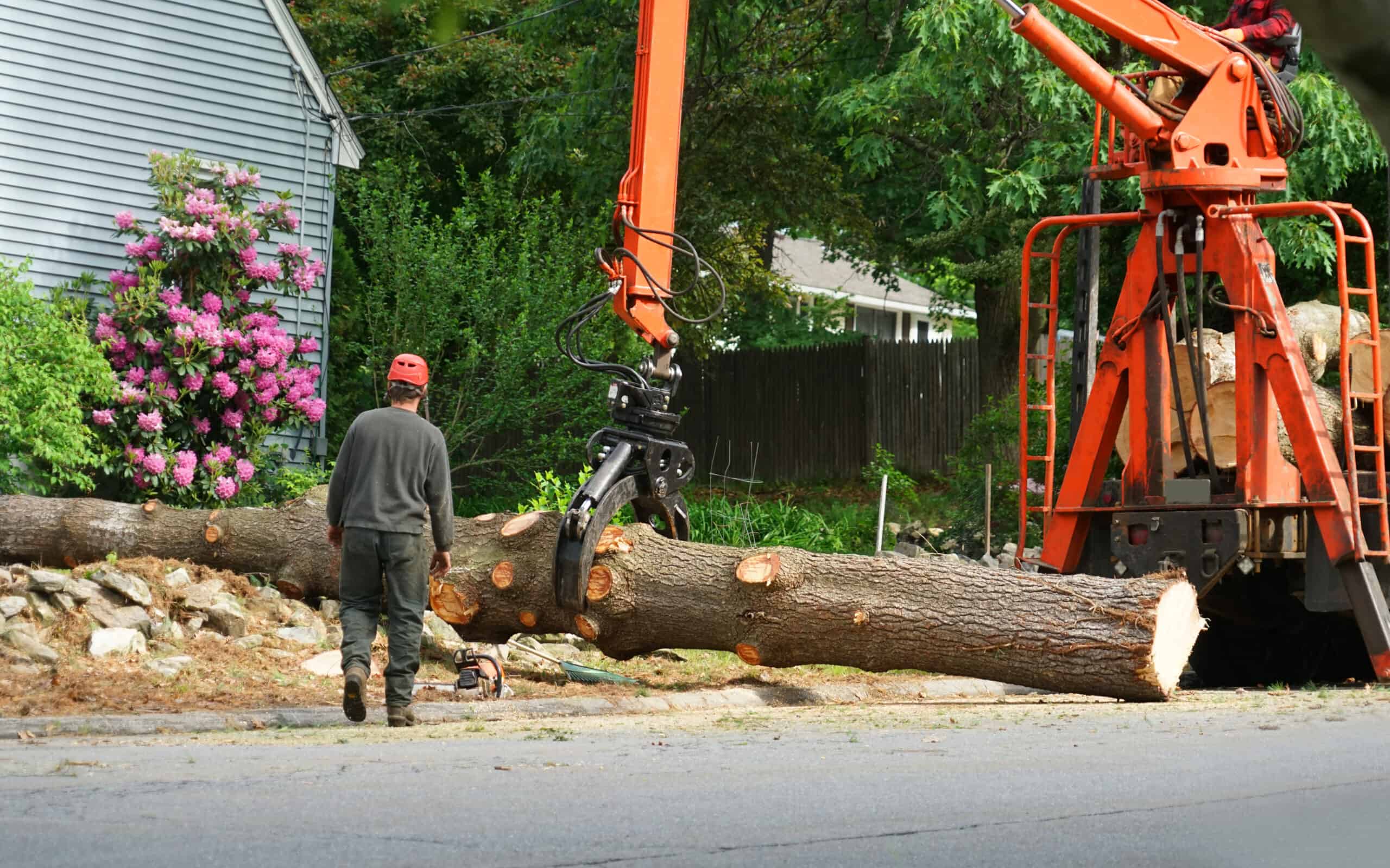
A worker wearing a red hard hat and dark clothing stands next to a large fallen tree trunk being lifted by an orange crane on a residential street. A chainsaw lies on the ground nearby, with a gray house and pink flowering shrub in the background, showcasing tree company Suffolk County expertise.

Tree Service Process South Farmingdale

Straightforward Process, Professional Results Every Time

First, a certified arborist comes to your property and assesses what you’re dealing with. We explain what needs attention, what can wait, and what’s perfectly healthy. You get a detailed written estimate with no hidden fees or surprise charges.

Once you approve the work, our crew arrives with professional equipment and safety gear. We protect your landscaping, driveway, and structures while working. Every cut is made with tree health and safety in mind, not just convenience.

Cleanup is part of every job. Our crew removes all debris, rakes the area, and leaves your property cleaner than when we arrived. You’re left with healthier trees and peace of mind that the work was done right.

A person wearing gloves uses a chainsaw to cut a tree branch in a forest during autumn. Fallen leaves cover the ground, and cut logs are scattered in the background. Sunlight filters through the trees.

Ready to get started?

Explore More Services

About Long Island Best Tree Service

Get a Free Consultation

Complete Tree Services South Farmingdale

Everything Your Trees Need, Done Right

You get comprehensive tree care from certified arborists who understand South Farmingdale’s unique conditions. Tree trimming and pruning keeps your trees healthy while protecting your property from overgrown branches.

Emergency tree service means someone answers when storms knock trees across your driveway or damage your roof. We respond quickly with proper equipment to safely remove fallen trees and clear access to your home.

Complete tree removal and stump grinding handles trees that are beyond saving or simply in the wrong location. Tree health assessments identify problems before they become expensive emergencies. Seasonal maintenance programs keep your landscape looking professional year-round.

A person wearing safety gear uses a chainsaw to cut through the trunk of a large tree as part of a tree removal Nassau County project. Wood chips and sawdust scatter around the base, with smaller logs on the ground. Snow patches and a forested background suggest a winter setting.

How much does tree removal cost in South Farmingdale?

Tree removal costs vary based on size, location, and complexity of the job. A small tree in an open area might cost $300-600, while large trees near structures or power lines can range from $1,000-3,000 or more. The price includes safe removal, debris cleanup, and basic stump grinding. Factors that affect cost include tree height, trunk diameter, proximity to buildings, and whether crane access is needed. Every property is different, so accurate pricing requires an on-site assessment. Our estimate includes all labor, equipment, cleanup, and disposal – no hidden fees or surprise charges after the work is complete.
Late fall through early spring is ideal for most tree trimming in South Farmingdale. Trees are dormant during this period, which reduces stress and allows them to heal properly before the growing season. Avoid trimming during active growth periods in late spring and early summer when trees are putting energy into new leaves and branches. Dead, damaged, or dangerous branches can be removed any time of year for safety reasons. Oak trees should never be pruned during April through July to prevent oak wilt disease. Storm damage obviously requires immediate attention regardless of season. Professional arborists can assess your specific trees and recommend the optimal timing for maintenance.
South Farmingdale follows Nassau County regulations, which typically don’t require permits for removing trees on private property under certain size thresholds. However, trees over 6 inches in diameter may need approval, and there are often restrictions on removing healthy trees in front yards or near property lines. Some neighborhoods have additional homeowners association rules about tree removal. Heritage or landmark trees have special protection regardless of location on your property. The safest approach is checking with the Town of Oyster Bay building department before removing any significant trees. Professional tree services familiar with local regulations can help navigate permit requirements and ensure compliance with all applicable rules.
Healthy trees have full canopies with vibrant leaves during growing season and strong branch structure. Warning signs of disease include yellowing or browning leaves out of season, fungal growth on trunk or branches, dead branches throughout the canopy, and bark that’s peeling or has holes from insects. Structural problems show up as cracks in major branches, leaning that’s gotten worse over time, or root damage from construction. Sometimes what looks like disease is actually poor pruning, storm damage, or environmental stress from construction or soil changes. A certified arborist can distinguish between trees that need treatment, proper pruning, or removal. Early intervention often saves trees that might otherwise be lost to disease or structural failure.
First, ensure everyone’s safety and stay away from fallen trees, especially if power lines are involved. Never attempt to move a tree that’s touching electrical wires – call the power company immediately. Document the damage with photos for insurance purposes before anyone touches anything. If the tree is blocking access to your home or creating immediate danger, call emergency tree service for professional removal. Most tree services offer 24/7 emergency response for storm damage. Don’t try to cut or move large fallen trees yourself – they’re under tremendous tension and can cause serious injury when cut improperly. Professional crews have the equipment and experience to safely remove fallen trees without causing additional damage to your property.
Most mature trees benefit from professional assessment every 2-3 years, with light pruning as needed to maintain health and structure. Young trees may need annual attention for the first 5-7 years to establish proper growth patterns. Fast-growing species like maples and willows often need more frequent trimming than slower-growing oaks or evergreens. Trees near structures, power lines, or in high-traffic areas should be inspected annually for safety concerns. After major storms, all trees should be professionally assessed for damage that might not be immediately obvious. Regular maintenance prevents small problems from becoming expensive emergencies and extends the life of your trees significantly. A certified arborist can develop a maintenance schedule based on your specific trees and property conditions.