Tree Service in Sound Beach, NY

Safe, Professional Tree Care You Can Trust

Licensed arborists handling everything from routine trimming to emergency storm damage across Long Island.

Looking up at a group of tall trees with thick trunks and vibrant green foliage, one might consider the necessity of tree trimming in Suffolk County, NY. Sunlight filters through the leaves, creating a dappled effect on the branches.

Hear from Our Customers

A tree surgeon wearing protective gear, including a helmet, ear protection, and harness, uses a chainsaw to cut a large tree trunk surrounded by green ivy. The background shows a clear sky and blurred foliage. For expert assistance, trust the premier tree service Nassau County relies on.

Professional Tree Care Services

Your Property Protected, Your Mind at Ease

You won’t have to worry about that dead branch hanging over your roof anymore. No more sleepless nights during storms wondering if that overgrown oak is going to come down on your house.

When you work with experienced arborists, you get trees that enhance your property instead of threatening it. Your landscape looks intentional and well-maintained. Your insurance company stays happy because you’ve eliminated obvious hazards.

Most importantly, you can enjoy your yard again without constantly calculating risks. Professional tree care means fewer emergency calls, lower long-term costs, and the confidence that comes from knowing the job was done right the first time.

Long Island Tree Company

Local Arborists Who Know These Trees

Long Island Best Tree Service has been handling tree care across Sound Beach and the surrounding areas for years. We understand how coastal weather affects local tree species and what it takes to keep them healthy in sandy soil and salt air.

Every crew member is properly trained and we carry full insurance coverage. You’re not dealing with fly-by-night contractors or weekend warriors with chainsaws.

Our focus stays on doing the work safely and completely. That means protecting your property during the job, cleaning up thoroughly, and making sure you understand exactly what was done and why.
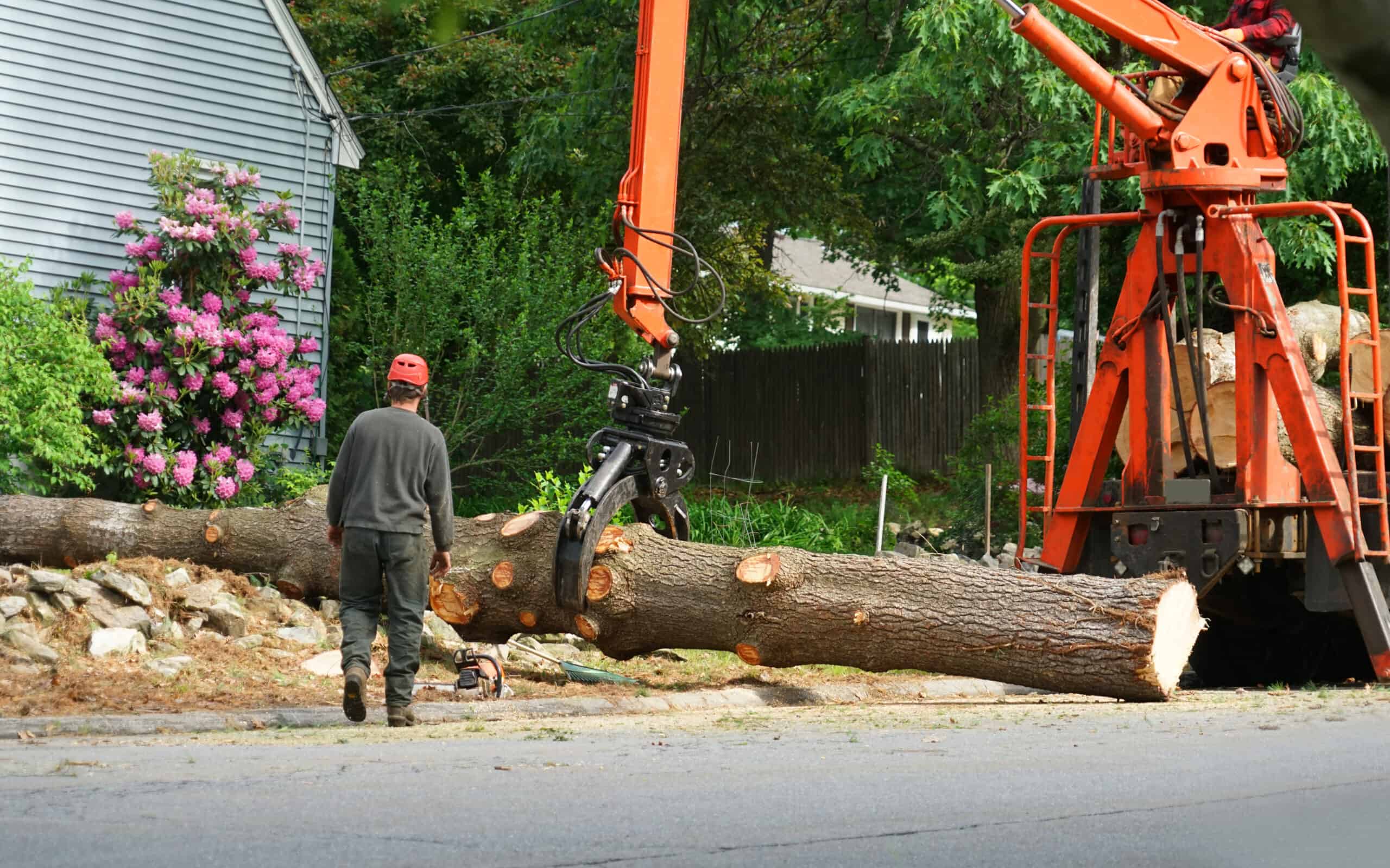
A worker wearing a red hard hat and dark clothing stands next to a large fallen tree trunk being lifted by an orange crane on a residential street. A chainsaw lies on the ground nearby, with a gray house and pink flowering shrub in the background, showcasing tree company Suffolk County expertise.

Tree Service Process

Straightforward Process, Professional Results

First, you get a detailed assessment of your trees and a clear explanation of what needs to be done. No surprises, no pressure tactics, just honest evaluation from certified arborists who know what they’re looking at.

Our estimate covers everything – labor, equipment, cleanup, and debris removal. You’ll know the total cost upfront, not after the work is finished.

On service day, our crew arrives with professional equipment and takes steps to protect your landscaping and property. We complete the work efficiently and clean up completely before leaving. You get trees that are healthier and safer, plus the peace of mind that comes from working with insured professionals who stand behind their work.

A person wearing gloves uses a chainsaw to cut a tree branch in a forest during autumn. Fallen leaves cover the ground, and cut logs are scattered in the background. Sunlight filters through the trees.

Ready to get started?

Explore More Services

About Long Island Best Tree Service

Get a Free Consultation

Complete Tree Maintenance Solutions

Everything Your Trees Need, All in One Place

You get comprehensive tree care that goes beyond just cutting things down. Tree trimming keeps your landscape looking sharp while promoting healthy growth. Emergency tree service handles storm damage and hazardous situations quickly and safely.

Tree removal includes stump grinding and complete debris cleanup. Routine maintenance catches problems before they become expensive emergencies. We handle everything from small pruning jobs to large removals that require specialized equipment.

Sound Beach properties face unique challenges with coastal storms and salt exposure. Our arborists understand how these conditions affect different tree species and can recommend the right care approach for your specific situation. You’re not getting generic advice – you’re getting solutions tailored to Long Island’s climate and soil conditions.

A person wearing safety gear uses a chainsaw to cut through the trunk of a large tree as part of a tree removal Nassau County project. Wood chips and sawdust scatter around the base, with smaller logs on the ground. Snow patches and a forested background suggest a winter setting.

How much does tree removal cost in Sound Beach?

Tree removal costs depend on the size, location, and complexity of the job. A small tree in an open area might cost a few hundred dollars, while a large tree near power lines or structures can cost several thousand. The key factors are the tree’s height and diameter, how close it is to buildings or utilities, and whether special equipment is needed. Most reputable tree companies provide free estimates, so you can get an accurate price before committing to the work. Always make sure the estimate includes debris removal and cleanup – some contractors quote low prices but charge extra for hauling away the wood and branches.
Permit requirements vary by municipality on Long Island, and some areas have specific rules about removing large or certain species of trees. Many towns require permits for trees over a certain diameter, typically 6-8 inches, while others have restrictions on removing healthy trees without replacement. Emergency removals for hazardous trees usually don’t require permits, but it’s always smart to check with your local building department first. A professional tree service company should be familiar with local regulations and can help you navigate the permit process if needed. Don’t risk fines by assuming you can remove any tree on your property without checking first.
Late fall through early spring is typically the best time for most tree trimming in New York, when trees are dormant and won’t be stressed by pruning. This timing also reduces the risk of spreading diseases that are more active during growing season. However, dead or hazardous branches should be removed immediately regardless of season. Some trees have specific timing requirements – for example, maples and birches should be pruned in late summer to avoid excessive bleeding. Oak trees are best pruned in winter to reduce the risk of oak wilt disease. A certified arborist can recommend the optimal timing for your specific trees based on species, health, and your goals for the pruning.
Several warning signs indicate a potentially dangerous tree: large dead branches, cracks in the trunk, fungal growth at the base, significant lean that has developed recently, or root damage from construction. Trees that have lost more than 50% of their canopy or show extensive decay should be evaluated by a certified arborist. After storms, look for hanging branches, split trunks, or trees that have shifted position. Don’t ignore trees that suddenly develop a lean or show signs of root failure like raised soil around the base. When in doubt, have a professional assessment done – it’s much cheaper than dealing with property damage from a fallen tree. Insurance companies often require documentation that you maintained trees properly if they cause damage.
A certified arborist has completed extensive training in tree biology, diagnosis, and care techniques, plus passed a comprehensive exam administered by the International Society of Arboriculture. They understand tree health, proper pruning techniques, and can diagnose diseases or pest problems. A tree service company may or may not employ certified arborists – some focus mainly on removal and trimming without the deeper knowledge of tree care. While not every tree job requires an arborist, complex situations like disease diagnosis, preservation planning, or working around utilities benefit from their expertise. Always verify credentials and ask if the company has certified arborists on staff, especially for valuable trees or complicated situations.
Insurance coverage for tree removal depends on why the tree needs to come down and what it damaged. If a healthy tree falls due to wind, ice, or other covered weather events and damages your home, fence, or other structures, removal is usually covered. However, insurance typically won’t pay to remove trees that fall without causing damage to covered structures, or trees that need removal due to disease, age, or poor maintenance. Preventive removal of hazardous trees is rarely covered, even if you can prove they pose a risk. Review your policy carefully and document any storm damage with photos before cleanup begins. Some policies have specific limits on tree removal coverage, often between $500-1000 per tree, regardless of actual costs.