Tree Service in Sands Point, NY

Trees Handled Right the First Time

Professional tree care that protects your property and keeps your landscape beautiful year-round.

Looking up at a group of tall trees with thick trunks and vibrant green foliage, one might consider the necessity of tree trimming in Suffolk County, NY. Sunlight filters through the leaves, creating a dappled effect on the branches.

Hear from Our Customers

A tree surgeon wearing protective gear, including a helmet, ear protection, and harness, uses a chainsaw to cut a large tree trunk surrounded by green ivy. The background shows a clear sky and blurred foliage. For expert assistance, trust the premier tree service Nassau County relies on.

Professional Tree Care Sands Point

What Proper Tree Care Actually Gets You

Your trees stop being a source of worry. No more wondering if that oak is going to come down in the next storm, or if those dead branches are going to drop on your car.

You get a landscape that actually adds value to your property instead of threatening it. Trees that are properly maintained live longer, look better, and create the kind of curb appeal that makes your neighbors take notice.

When storms hit Long Island, you’re not scrambling to find someone who can handle the mess. You already know who to call, and you know we’ll show up with the right equipment and expertise to get your property back to normal fast.

Sands Point Tree Company

We Know Long Island Trees

Long Island Best Tree Service has been handling tree care across Nassau County for years. We focus on doing the work right instead of doing it fast, which means fewer callbacks and better results for property owners.

Our team includes certified arborists who understand the specific challenges that Long Island trees face – from coastal storms to soil conditions that affect root systems. We carry full insurance coverage because tree work involves real risks, and we handle those risks professionally.

When you call, you’re working with people who live and work in the same communities we serve. We understand what Sands Point property owners expect, and we deliver accordingly.
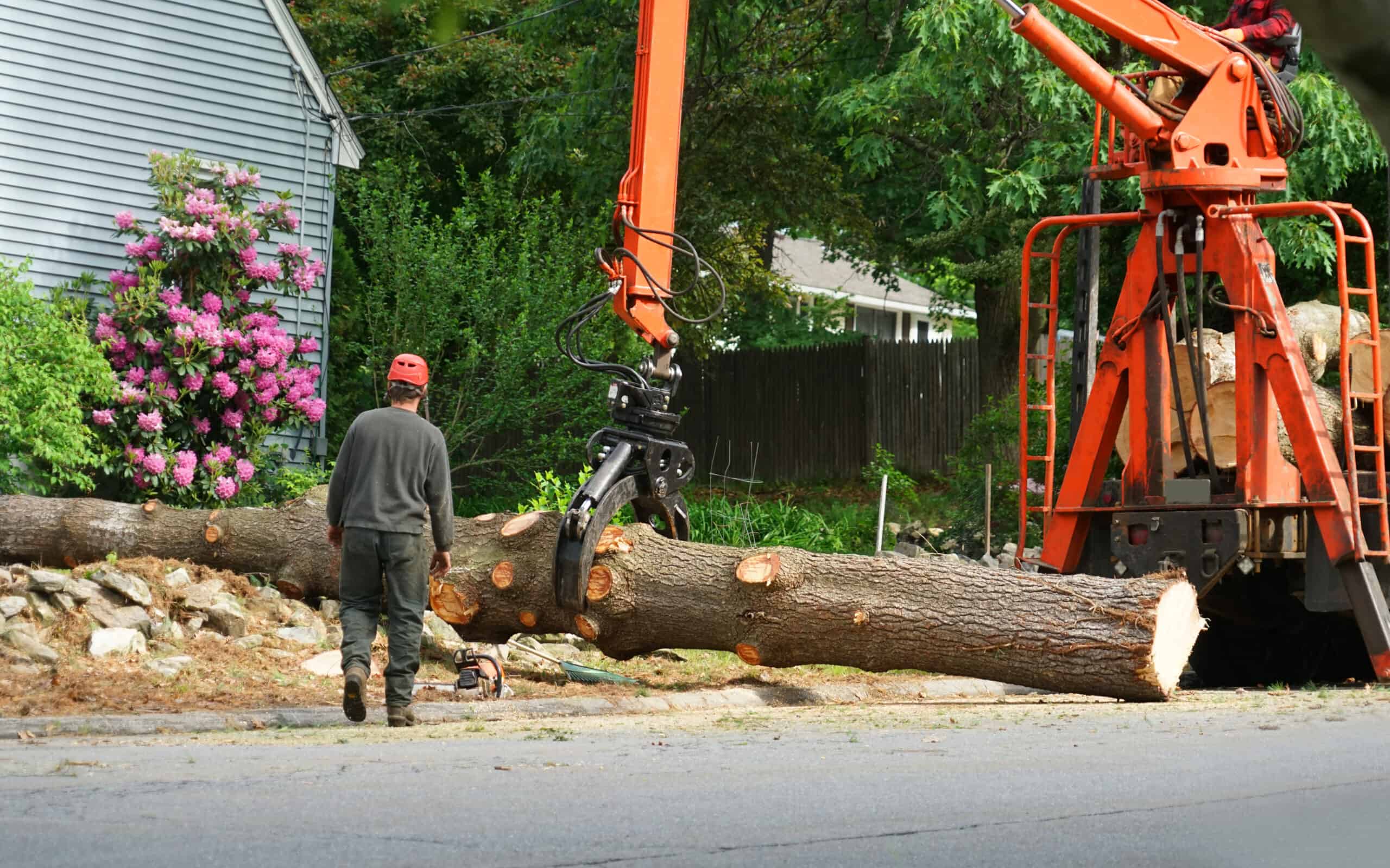
A worker wearing a red hard hat and dark clothing stands next to a large fallen tree trunk being lifted by an orange crane on a residential street. A chainsaw lies on the ground nearby, with a gray house and pink flowering shrub in the background, showcasing tree company Suffolk County expertise.

Tree Service Process

How We Handle Your Tree Work

First, someone comes out to look at what you’re dealing with. We assess the trees, explain what needs to be done and why, and give you a written estimate that covers everything – including cleanup.

Once you approve the work, we schedule it around your timeline and show up when promised. Our crew brings professional equipment and takes steps to protect your landscape and property during the work.

After the trees are handled, we clean up completely. That means hauling away all debris, raking up sawdust, and leaving your property in better shape than we found it. You get a final walkthrough to make sure everything meets your standards before we consider the job finished.

A person wearing gloves uses a chainsaw to cut a tree branch in a forest during autumn. Fallen leaves cover the ground, and cut logs are scattered in the background. Sunlight filters through the trees.

Ready to get started?

Explore More Services

About Long Island Best Tree Service

Get a Free Consultation

Tree Removal and Trimming

Complete Tree Care Services

Tree removal for hazardous, diseased, or unwanted trees using proper techniques that protect surrounding landscape. Emergency storm cleanup when trees come down unexpectedly and block driveways or damage property.

Tree trimming and pruning to maintain health, improve appearance, and reduce storm risk. Our arborists know how to prune different species correctly – not the hack job approach that weakens trees and creates future problems.

Stump grinding to eliminate tripping hazards and free up space for new landscaping. Complete debris removal so you don’t have to deal with hauling away branches and logs. All work includes proper cleanup because your property should look better when we’re finished, not worse.

A person wearing safety gear uses a chainsaw to cut through the trunk of a large tree as part of a tree removal Nassau County project. Wood chips and sawdust scatter around the base, with smaller logs on the ground. Snow patches and a forested background suggest a winter setting.

How much does tree removal cost in Sands Point?

Tree removal costs depend on the size, location, and complexity of the job. A small tree in an open area might cost $300-800, while large trees near buildings or power lines can run $1,500-3,000 or more. The price includes cutting, removal, and cleanup – not just dropping the tree and leaving you with the mess. Factors that affect cost include tree height, trunk diameter, proximity to structures, and whether crane access is needed. Emergency removals after storms typically cost more due to the urgency and hazardous conditions. The best approach is getting a written estimate that breaks down exactly what’s included so you know what you’re paying for.
Sands Point has specific regulations about tree removal, especially for larger trees or those in protected areas. Generally, you need permits for removing healthy trees over a certain diameter, but dead or hazardous trees can often be removed without permits. The rules get more complex if your property is in a historic district or if the trees are near wetlands or other protected areas. Before starting any removal work, it’s worth checking with the village building department to understand what permits might be required. Professional tree services familiar with local regulations can help navigate the permit process and ensure all work complies with village requirements. Getting proper permits protects you from potential fines and legal issues down the road.
Late fall through early spring is typically the best time for most tree trimming on Long Island. Trees are dormant during this period, which means less stress on the tree and reduced risk of disease transmission. It’s also easier to see the tree’s structure without leaves in the way. However, timing varies by species – oak trees should be pruned in late fall or winter to avoid oak wilt disease, while maples can be pruned almost any time except during heavy sap flow in early spring. Dead or hazardous branches should be removed immediately regardless of season. Emergency storm damage obviously can’t wait for ideal timing. A certified arborist can recommend the best timing for your specific trees and situation.
Look for obvious signs like dead branches, hollow or rotted trunk areas, fungus growing on the trunk, or trees leaning significantly toward structures. Cracks in the trunk, root damage from construction, or trees that have lost more than 50% of their canopy are also warning signs. However, many dangerous tree conditions aren’t obvious to untrained eyes. Root problems, internal decay, and structural weaknesses often require professional assessment to identify. If you’re concerned about a tree’s safety, especially after storms or if it’s near your house, have a certified arborist evaluate it. We can determine if the tree can be saved with proper care or if removal is the safest option. Don’t wait if you have genuine safety concerns – the cost of assessment is minimal compared to potential property damage.
Complete tree removal includes cutting down the tree, cutting it into manageable pieces, hauling away all debris, and basic cleanup of the work area. Stump grinding is typically separate unless specifically included in the estimate. Tree trimming includes proper pruning cuts, minor cleanup, and hauling away cut branches. All estimates should specify exactly what’s included and what costs extra. Additional services like crane work for difficult removals, grinding stumps below ground level, or extensive landscape restoration are usually itemized separately. Emergency services may have different pricing due to after-hours work and hazardous conditions. Always get written estimates that break down the scope of work so you understand exactly what you’re paying for and what additional costs might arise.
Yes, Long Island Best Tree Service carries full licensing and comprehensive insurance coverage including general liability and workers’ compensation. This protects you from liability if someone gets injured on your property during tree work, and covers property damage if something goes wrong during the job. All our certified arborists maintain current certifications and ongoing education requirements. Before any work begins, you can request to see current insurance certificates and licensing documentation. This isn’t just about meeting legal requirements – it’s about protecting your investment and ensuring you’re working with professionals who take safety and responsibility seriously. Never hire tree services that can’t provide proof of proper insurance and licensing. The savings aren’t worth the risk to your property and financial security.