Tree Service in Plainview, NY

Safe, Professional Tree Care Solutions

Protecting your property with expert tree removal, trimming, and emergency services throughout Plainview.

Looking up at a group of tall trees with thick trunks and vibrant green foliage, one might consider the necessity of tree trimming in Suffolk County, NY. Sunlight filters through the leaves, creating a dappled effect on the branches.

Hear from Our Customers

A tree surgeon wearing protective gear, including a helmet, ear protection, and harness, uses a chainsaw to cut a large tree trunk surrounded by green ivy. The background shows a clear sky and blurred foliage. For expert assistance, trust the premier tree service Nassau County relies on.

Professional Tree Care Plainview

Your Property, Protected and Beautiful

When you need tree work done right, you’re not just looking for someone with a chainsaw. You need professionals who understand how trees affect your property’s safety, value, and appearance.

That’s what you get with proper tree care. Dangerous limbs get removed before they fall on your roof or car. Overgrown trees get trimmed back from power lines and structures. Dead or diseased trees get safely removed before they become liability issues.

Your property looks better, functions better, and stays safer. You sleep better knowing those problem trees aren’t hanging over your head anymore. And when storms hit Plainview, you’re not scrambling to find emergency help because you’ve already taken care of the obvious risks.

Plainview Tree Company

Local Experts You Can Count On

Long Island Best Tree Service has been handling tree care throughout Plainview and the surrounding Long Island area for years. We focus on doing the job safely, completely, and without the drama that comes with inexperienced crews.

Our team consists of licensed arborists who understand local tree species, soil conditions, and weather patterns that affect your property. We carry full insurance coverage and handle all necessary permits for tree removal in Plainview.

When you call, you’re dealing with professionals who’ve seen every type of tree problem Long Island properties face. We know what works, what doesn’t, and how to get your tree issues resolved without creating new problems.
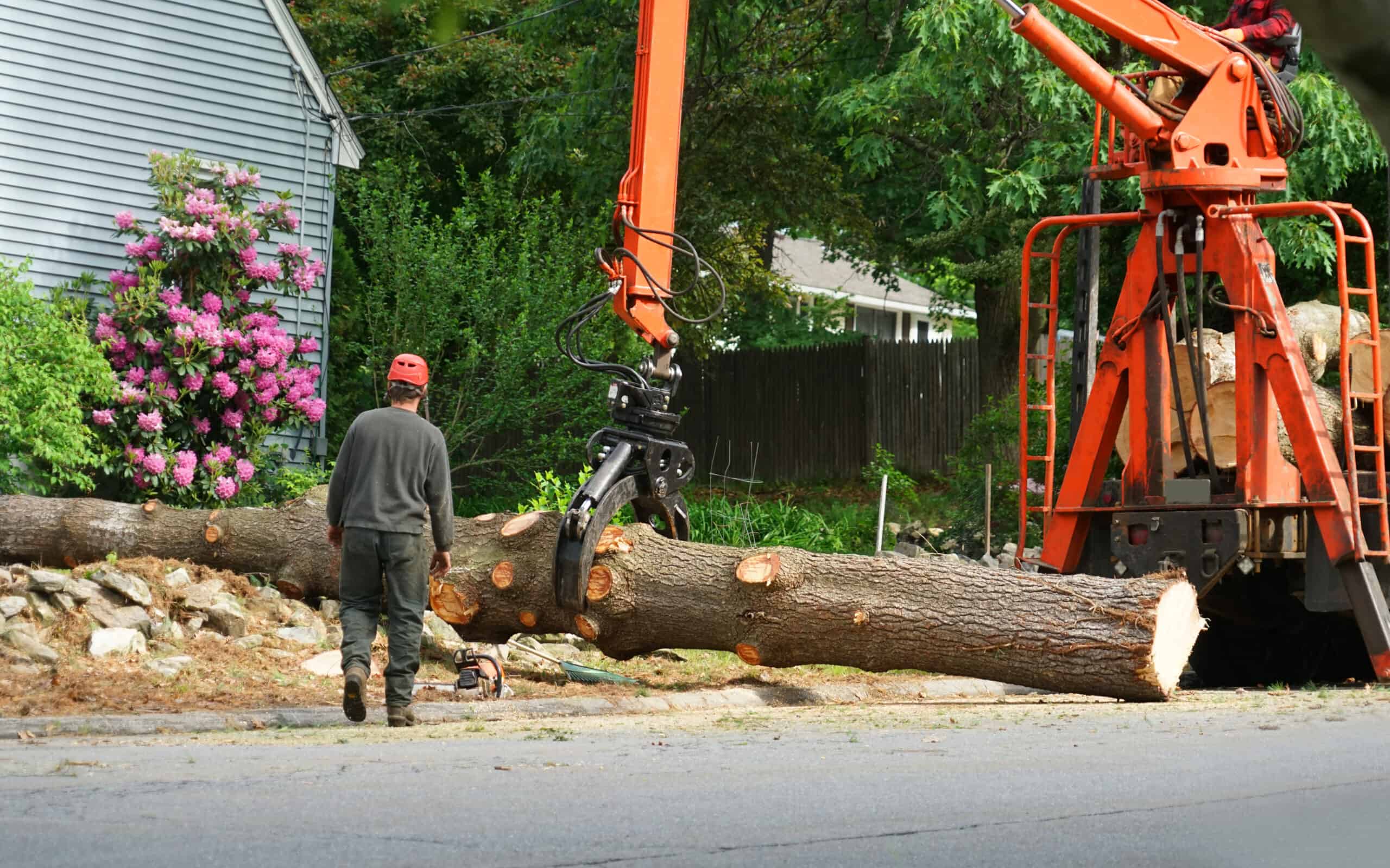
A worker wearing a red hard hat and dark clothing stands next to a large fallen tree trunk being lifted by an orange crane on a residential street. A chainsaw lies on the ground nearby, with a gray house and pink flowering shrub in the background, showcasing tree company Suffolk County expertise.

Tree Removal Process Plainview

Straightforward Process, Professional Results

The process starts with an assessment of your specific tree situation. We evaluate the tree’s condition, location, and any potential risks to your property or surrounding areas. We explain what needs to be done and provide a clear estimate.

On job day, our crew arrives with professional equipment and safety gear. We set up protection for your landscaping, structures, and neighboring properties. Tree removal or trimming happens in controlled sections to prevent damage.

Cleanup is part of our service. Wood gets cut and stacked if you want it, or hauled away completely. Debris gets cleared, and your property gets left clean. If stump removal is part of the job, we handle that too, leaving your yard ready for whatever comes next.

A person wearing gloves uses a chainsaw to cut a tree branch in a forest during autumn. Fallen leaves cover the ground, and cut logs are scattered in the background. Sunlight filters through the trees.

Ready to get started?

Explore More Services

About Long Island Best Tree Service

Get a Free Consultation

Tree Maintenance Services Plainview

Complete Tree Care Services

Our services cover everything from emergency tree removal to routine maintenance. Tree trimming keeps your trees healthy and your property looking good. Complete tree removal handles dead, diseased, or problematic trees safely.

Emergency services respond when storms damage trees or create immediate safety hazards. Stump grinding eliminates leftover stumps that interfere with lawn care or landscaping plans. Tree health assessments identify problems before they become expensive emergencies.

Each job includes proper cleanup and disposal. We handle permit requirements for tree removal in Plainview when necessary. All work meets local regulations and insurance requirements, so you don’t have to worry about compliance issues down the road.

A person wearing safety gear uses a chainsaw to cut through the trunk of a large tree as part of a tree removal Nassau County project. Wood chips and sawdust scatter around the base, with smaller logs on the ground. Snow patches and a forested background suggest a winter setting.

How much does tree removal cost in Plainview?

Tree removal costs depend on the tree’s size, location, and complexity of the job. A small tree in an open area costs less than a large tree near power lines or structures. Most Plainview tree removals range from a few hundred to several thousand dollars. The best approach is getting an on-site estimate that accounts for your specific situation. Factors like stump removal, debris hauling, and permit requirements affect the final price. Emergency removals typically cost more due to the urgent response and additional safety precautions required.
Plainview has specific regulations about tree removal, especially for larger trees or those in certain locations. Generally, you need permits for removing healthy trees over a certain diameter, or any trees in protected areas. The requirements vary based on tree size, species, and location on your property. Dead or hazardous trees often have different rules, but it’s still important to check. A professional tree service handles permit applications and ensures compliance with local regulations. Getting proper permits protects you from fines and ensures the work meets municipal standards.
Late fall through early spring is typically the best time for most tree trimming in the Plainview area. Trees are dormant, making it easier to see their structure and reducing stress from cutting. This timing also avoids interfering with nesting birds and reduces disease transmission risk. However, emergency trimming happens year-round when safety is a concern. Dead or damaged branches should be removed immediately regardless of season. Some species have specific timing requirements, and a certified arborist can recommend the optimal schedule for your particular trees and situation.
Several signs indicate a potentially dangerous tree that needs professional evaluation. Large dead branches, significant lean toward structures, root damage, or visible decay are red flags. Cracks in the trunk, fungal growth, or extensive insect damage also signal problems. Trees that have lost more than 50% of their canopy or show signs of disease often need removal. After storms, check for new damage or changes in the tree’s position. When in doubt, have a certified arborist assess the situation. We can determine if the tree can be saved with treatment or if removal is the safest option for your property.
Complete cleanup is part of every job. This includes removing all branches, leaves, and debris from your property. Wood can be cut into manageable pieces and left for your use, or hauled away completely based on your preference. Our crew cleans up sawdust, small debris, and ensures your lawn and landscaping areas are left tidy. Stump grinding includes removing the resulting wood chips unless you want them for mulch. The goal is leaving your property cleaner than when we arrived, with no evidence of tree work except the completed job itself.
Yes, we provide emergency tree service for situations that pose immediate safety risks or property damage. This includes trees that have fallen across driveways, damaged roofs, or are threatening to fall. Storm damage often creates urgent situations that need immediate response. Our emergency services prioritize safety and access restoration, getting dangerous trees cleared quickly. Response times vary based on weather conditions and demand, but emergency calls get priority scheduling. Keep in mind that emergency services typically cost more than scheduled work due to the urgent nature and additional safety requirements involved in these situations.