Tree Service in North Lindenhurst, NY

Safe, Professional Tree Care Solutions

Licensed arborists handling everything from routine trimming to emergency storm cleanup across Long Island.

Looking up at a group of tall trees with thick trunks and vibrant green foliage, one might consider the necessity of tree trimming in Suffolk County, NY. Sunlight filters through the leaves, creating a dappled effect on the branches.

Hear from Our Customers

A tree surgeon wearing protective gear, including a helmet, ear protection, and harness, uses a chainsaw to cut a large tree trunk surrounded by green ivy. The background shows a clear sky and blurred foliage. For expert assistance, trust the premier tree service Nassau County relies on.

Professional Tree Care North Lindenhurst

Your Property Protected and Beautiful

When your trees are properly maintained, you stop worrying about branches falling on your house during the next storm. Your property looks better, your insurance stays happy, and you actually enjoy your yard again instead of stressing about what might go wrong.

Professional tree care means dead branches get removed before they become projectiles. Overgrown trees get trimmed back so they’re not scraping your roof or blocking your windows. Diseased trees get treated or removed before they spread problems to healthy ones.

You get your weekends back because you’re not constantly cleaning up fallen branches or trying to figure out if that leaning tree is actually dangerous. The guesswork disappears when licensed arborists handle the assessment and work.

Long Island Tree Company

Local Arborists Who Know Trees

Long Island Best Tree Service has been handling tree care across Nassau County for years. We know how coastal weather affects local tree species and what problems Long Island homeowners face most often.

Every crew member is trained in proper safety protocols because tree work is inherently dangerous. We carry full insurance coverage, so you’re protected if something unexpected happens during the job.

We’ve seen everything from hurricane cleanup to routine maintenance, which means we can spot potential problems before they become expensive emergencies.
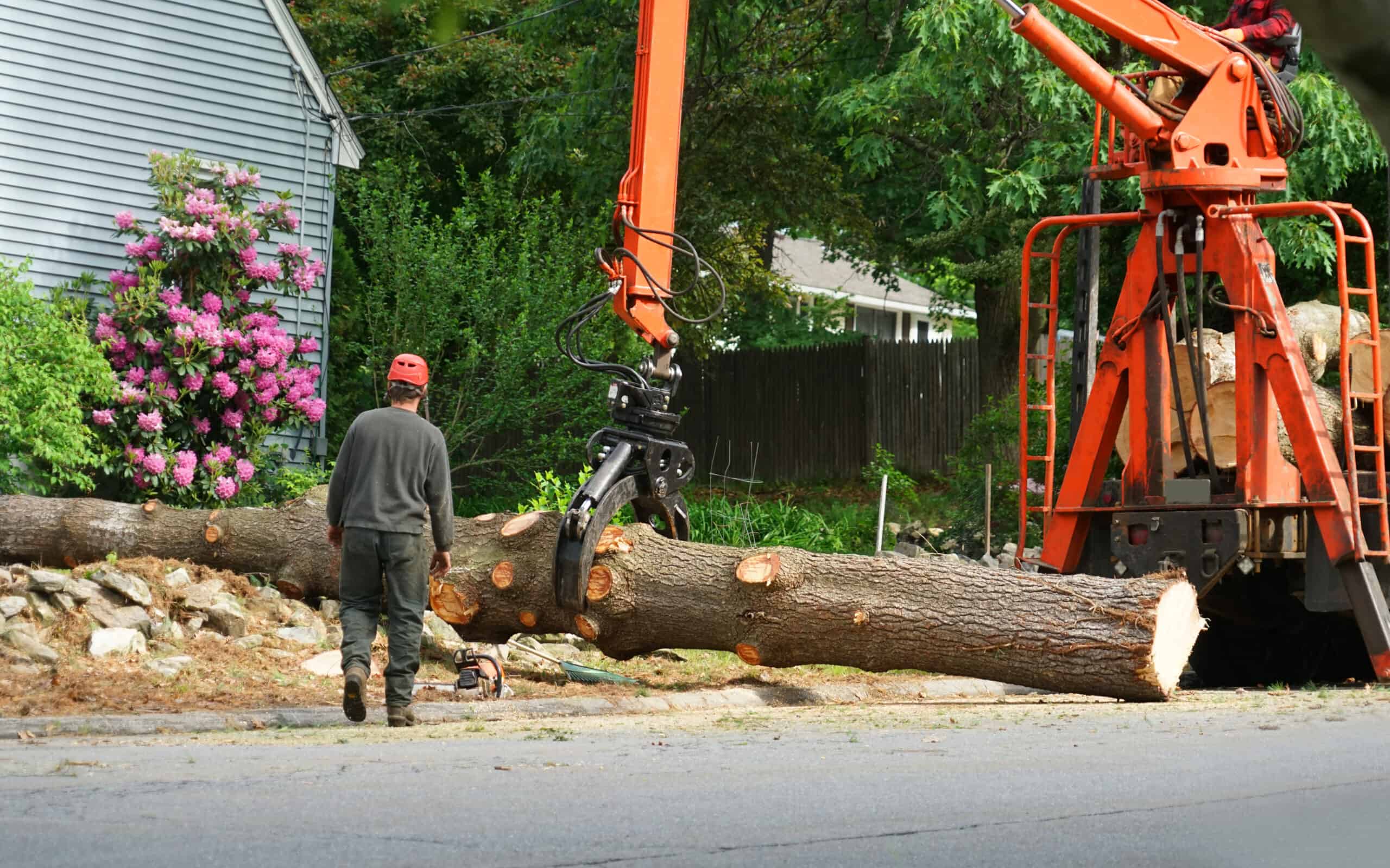
A worker wearing a red hard hat and dark clothing stands next to a large fallen tree trunk being lifted by an orange crane on a residential street. A chainsaw lies on the ground nearby, with a gray house and pink flowering shrub in the background, showcasing tree company Suffolk County expertise.

Tree Service Process

Straightforward Assessment to Completion

First, an arborist comes out to assess your trees and explain what needs to be done. You get a clear explanation of any safety concerns and a written estimate with no surprises.

Once you approve the work, our crew arrives with proper equipment and safety gear. We handle everything from cutting and removal to complete cleanup, so you don’t have to deal with piles of branches or wood chips unless you want to keep them.

The job site gets cleaned up completely before we leave. You’re left with properly maintained trees and a yard that looks better than when we started, not a mess to deal with later.

A person wearing gloves uses a chainsaw to cut a tree branch in a forest during autumn. Fallen leaves cover the ground, and cut logs are scattered in the background. Sunlight filters through the trees.

Ready to get started?

Explore More Services

About Long Island Best Tree Service

Get a Free Consultation

Complete Tree Maintenance Services

Full-Service Tree Care Solutions

Tree removal handles everything from small ornamental trees to large oaks that require crane work. We have equipment to safely remove trees in tight spaces without damaging your property or your neighbor’s fence.

Tree trimming keeps your trees healthy while preventing branches from interfering with power lines, roofs, or walkways. Proper pruning techniques promote healthy growth and reduce storm damage risk.

Emergency services respond quickly when storms knock down trees or leave dangerous hanging branches. We can secure your property and remove hazards even during severe weather conditions. Stump grinding eliminates trip hazards and frees up space for new landscaping.

A person wearing safety gear uses a chainsaw to cut through the trunk of a large tree as part of a tree removal Nassau County project. Wood chips and sawdust scatter around the base, with smaller logs on the ground. Snow patches and a forested background suggest a winter setting.

How much does tree removal cost in North Lindenhurst?

Tree removal costs depend on the tree’s size, location, and complexity of the job. Small trees under 30 feet typically cost less than large mature trees that require crane work or careful sectional removal near structures. Most North Lindenhurst homeowners pay between $500-$2,000 for standard removals, but emergency work or extremely large trees can cost more. The best approach is getting a free estimate so you know exactly what you’re dealing with. Factors like accessibility, proximity to power lines, and cleanup requirements all affect the final price.
Late fall through early spring is typically the best time for most tree trimming on Long Island, when trees are dormant and you can see the branch structure clearly. However, dead or dangerous branches should be removed immediately regardless of season. Some trees like maples bleed sap heavily if pruned in late winter, so timing matters for specific species. Storm damage obviously can’t wait for the perfect season. Emergency pruning after storms prevents further damage and safety hazards. For routine maintenance, scheduling during dormant season promotes healthy growth and reduces stress on the tree.
North Lindenhurst has specific regulations about tree removal, especially for larger trees or those in protected areas. Generally, you need permits for removing healthy trees over a certain size, but dead or dangerous trees can often be removed without permits. The rules can be complex and change based on your exact location and the tree species. Your tree service company should know the local requirements and can help you understand what permits are needed. It’s always better to check first rather than deal with fines or legal issues later. Most permits are straightforward if you follow the proper process.
Obvious signs include large dead branches, significant lean toward structures, root damage from construction, or visible decay in the trunk. However, many dangerous conditions aren’t obvious to untrained eyes. Internal rot can weaken a tree while it still looks healthy from the outside. Root problems often develop underground where you can’t see them. Cracks in major branches or the trunk indicate structural weakness that could lead to failure. If you’re questioning a tree’s safety, have a certified arborist assess it. The cost of an evaluation is minimal compared to property damage or injury from a falling tree.
We include hauling away all debris as part of the removal cost, unless you specifically want to keep the wood. Large logs can be cut into firewood lengths if you have a fireplace or wood stove. Some homeowners keep logs for landscaping projects or have them milled into lumber for woodworking. Brush and smaller branches typically get chipped and hauled away. If you want to keep any of the wood, discuss this upfront so our crew knows to cut and stack it properly. Otherwise, everything gets cleaned up and removed so you don’t have to deal with disposal.
Emergency response times depend on the severity of the situation and current weather conditions. For trees blocking roads or threatening immediate safety, response is typically within a few hours. During major storms, we prioritize the most dangerous situations first, so response times may be longer. Having a relationship with a local tree service before emergencies happen means you’re already on our call list. Emergency work often costs more than routine jobs due to the urgency and potentially dangerous working conditions. The key is calling as soon as you identify a hazardous situation rather than waiting to see if it gets worse.