Tree Service in Massapequa Park, NY

Your Trees Handled Right the First Time

Professional tree care that protects your property and keeps your landscape beautiful year-round.

Looking up at a group of tall trees with thick trunks and vibrant green foliage, one might consider the necessity of tree trimming in Suffolk County, NY. Sunlight filters through the leaves, creating a dappled effect on the branches.

Hear from Our Customers

A tree surgeon wearing protective gear, including a helmet, ear protection, and harness, uses a chainsaw to cut a large tree trunk surrounded by green ivy. The background shows a clear sky and blurred foliage. For expert assistance, trust the premier tree service Nassau County relies on.

Professional Tree Care Services

What Proper Tree Care Actually Gets You

Your trees stop being a worry and start being an asset. No more wondering if that leaning oak will come down in the next storm or if those overgrown branches will scrape your roof all winter.

You get trees that actually enhance your property value instead of threatening it. Healthy trees that provide shade without blocking too much light, branches that stay where they belong, and the confidence that comes from knowing a certified arborist has evaluated everything.

When storms hit Long Island, you’re not scrambling to find emergency help or dealing with preventable damage. Your trees are properly maintained, hazardous limbs are already gone, and if something does happen, you know exactly who to call.

Massapequa Park Tree Company

We Know Long Island Trees

Long Island Best Tree Service has been handling tree care in Nassau County for years. We understand how nor’easters affect mature oaks, why pine trees struggle in coastal winds, and which species thrive in Long Island’s sandy soil.

Our team consists of certified arborists who can tell the difference between a tree that needs removal and one that just needs proper pruning. We carry full liability insurance because tree work involves real risks to property and people.

Every crew member lives locally and has seen what happens when tree maintenance gets delayed or done incorrectly. We approach each job knowing that your property and your neighbors’ safety depend on getting it right.
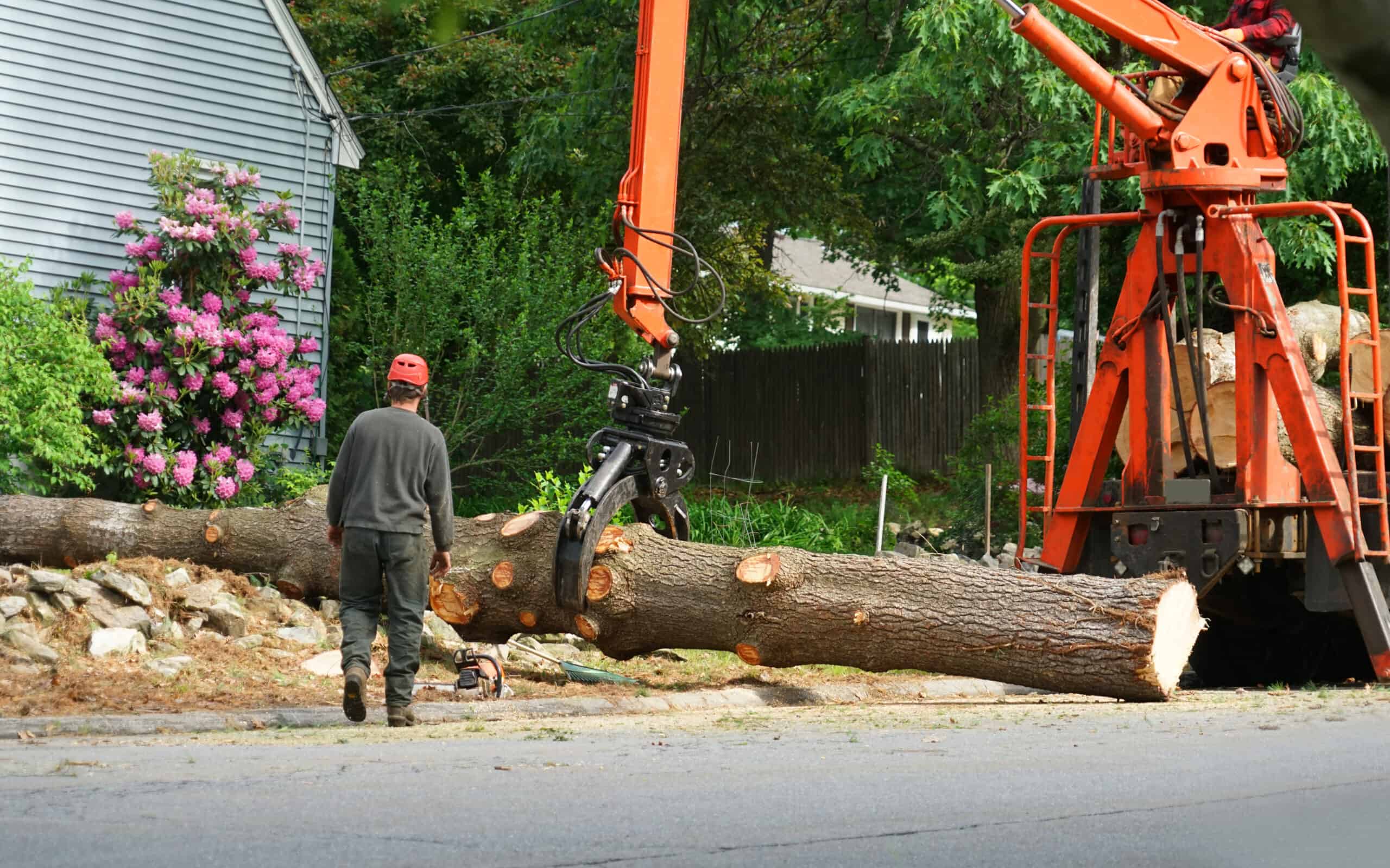
A worker wearing a red hard hat and dark clothing stands next to a large fallen tree trunk being lifted by an orange crane on a residential street. A chainsaw lies on the ground nearby, with a gray house and pink flowering shrub in the background, showcasing tree company Suffolk County expertise.

Tree Service Process

Here's How We Handle Your Trees

Everything starts with a free consultation where a certified arborist evaluates your trees and explains what needs attention. You get a clear assessment of any safety concerns, health issues, or maintenance needs without any pressure to decide immediately.

Once you approve the work, our crew arrives with professional equipment and safety gear. We protect your landscaping with tarps, mark utility lines if needed, and explain exactly what we’re doing and why.

The actual tree work happens efficiently with minimal disruption to your daily routine. Whether it’s precise pruning to improve tree health or complete removal of a hazardous tree, every cut is planned to protect surrounding property. When the work is finished, your property gets cleaned up completely – no branches, debris, or wood chips left behind unless you specifically want them.

A person wearing gloves uses a chainsaw to cut a tree branch in a forest during autumn. Fallen leaves cover the ground, and cut logs are scattered in the background. Sunlight filters through the trees.

Ready to get started?

Explore More Services

About Long Island Best Tree Service

Get a Free Consultation

Complete Tree Maintenance

Everything Your Trees Actually Need

Tree trimming that improves both safety and appearance, removing dead wood and crossing branches while maintaining the tree’s natural shape. Emergency tree service available 24/7 for storm damage, fallen trees, or hazardous situations that can’t wait.

Complete tree removal when trees are beyond saving, including stump grinding that eliminates tripping hazards and allows you to replant or use the space differently. Arborist consultations that diagnose tree diseases, pest problems, or structural issues before they become expensive emergencies.

Preventive maintenance programs designed around Long Island’s weather patterns, with pruning scheduled during optimal seasons and regular health assessments that catch problems early. Every service includes proper cleanup and disposal of all debris, plus recommendations for protecting and improving your remaining trees.

A person wearing safety gear uses a chainsaw to cut through the trunk of a large tree as part of a tree removal Nassau County project. Wood chips and sawdust scatter around the base, with smaller logs on the ground. Snow patches and a forested background suggest a winter setting.

How much does tree removal cost in Massapequa Park?

Tree removal costs depend on the tree’s size, location, and complexity of the job. A small tree in an open area might cost $300-600, while large trees near structures or power lines can range from $1,000-3,000 or more. Factors that affect pricing include whether the tree is healthy or diseased, how close it is to buildings or utilities, ground access for equipment, and local permit requirements. The best approach is getting a free estimate from a certified arborist who can evaluate your specific situation and explain exactly what’s involved in the removal process.
Late fall through early spring is typically ideal for most tree trimming in our area, when trees are dormant and won’t experience stress from pruning. However, timing varies by species – oaks should never be pruned during spring and early summer due to oak wilt disease risk, while fruit trees benefit from late winter pruning. Dead or hazardous branches can be removed any time of year for safety reasons. Emergency storm damage obviously gets handled immediately regardless of season. A certified arborist can recommend the optimal timing for your specific trees based on their species, health, and your goals for the work.
Nassau County and local municipalities have specific regulations about tree removal, especially for larger trees or those in protected areas. Generally, you may need permits for removing healthy trees over certain sizes, trees in environmentally sensitive areas, or trees that might affect drainage or neighboring properties. Dead, diseased, or immediately hazardous trees usually don’t require permits, but documentation of the tree’s condition may be needed. The permit process can take several weeks, so it’s important to plan ahead for non-emergency removals. A local tree service familiar with Massapequa Park regulations can help determine if permits are needed and assist with the application process.
Diseased trees often show specific symptoms like unusual leaf discoloration, premature leaf drop, fungal growth on bark or roots, or oozing sap. Stressed trees might have similar symptoms but usually recover with proper care like watering, fertilization, or soil improvement. Key warning signs that require professional evaluation include large dead branches, hollow-sounding trunk when tapped, mushrooms growing at the base, or significant lean that developed recently. Many tree problems look similar to untrained eyes, but the treatment approaches are completely different. A certified arborist can perform diagnostic tests, examine soil conditions, and determine whether your tree needs treatment, monitoring, or removal.
First, ensure everyone’s safety and stay away from any downed power lines – assume they’re live even if they appear inactive. If the tree has damaged your home, contact your insurance company immediately and document everything with photos. For trees blocking driveways or roads, call local authorities if it’s a public safety issue. Don’t attempt to remove fallen trees yourself, especially large ones or those tangled with power lines, as they’re under tremendous tension and can cause serious injury. Contact a professional tree service with emergency capabilities and proper equipment. Many tree services offer 24/7 emergency response for storm situations, and they can coordinate with utility companies if power lines are involved.
Most mature trees benefit from professional inspection every 2-3 years, while older trees or those with previous problems should be checked annually. However, you should schedule immediate inspections after major storms, if you notice sudden changes in tree appearance, or if construction work has occurred near the root zone. Young trees may need more frequent monitoring during their first few years to ensure proper development. Regular inspections catch problems like disease, pest infestations, or structural weaknesses before they become safety hazards or require expensive emergency interventions. A certified arborist can establish an appropriate inspection schedule based on your trees’ species, age, health, and location relative to structures.