Tree Service in Hewlett Bay Park, NY

Your Trees Are Safer Than You Think

Professional tree care that prevents problems before they damage your property or threaten your family’s safety.

Looking up at a group of tall trees with thick trunks and vibrant green foliage, one might consider the necessity of tree trimming in Suffolk County, NY. Sunlight filters through the leaves, creating a dappled effect on the branches.

Hear from Our Customers

A tree surgeon wearing protective gear, including a helmet, ear protection, and harness, uses a chainsaw to cut a large tree trunk surrounded by green ivy. The background shows a clear sky and blurred foliage. For expert assistance, trust the premier tree service Nassau County relies on.

Professional Tree Care Services

What Proper Tree Care Actually Does

You get peace of mind knowing your trees won’t surprise you with a branch through the roof or a trunk across your driveway. Regular maintenance catches problems early, when they’re fixable instead of expensive disasters waiting to happen.

Your property stays beautiful and valuable. Healthy trees that are properly pruned and maintained can add thousands to your home’s worth, while neglected ones become liabilities that scare off buyers and drain your wallet.

When storms hit Long Island, you’re not scrambling to find emergency help or dealing with power outages from fallen trees. You’re the neighbor whose lights stay on because your trees were prepared for whatever weather comes through.

Hewlett Bay Park Tree Company

We Know These Trees and This Area

We’ve been working in Nassau County for years, dealing with the same mature oaks, maples, and evergreens that fill your neighborhood. We understand how Long Island weather affects these trees and what problems to watch for before they become emergencies.

Our certified arborists live and work in this area. We’ve seen what happens when trees aren’t maintained properly, and we’ve helped hundreds of homeowners avoid those expensive surprises.

You’re not getting a fly-by-night operation or guys with chainsaws who learned tree work on YouTube. You’re getting professionals who carry proper insurance, use the right equipment, and clean up completely when the job is done.
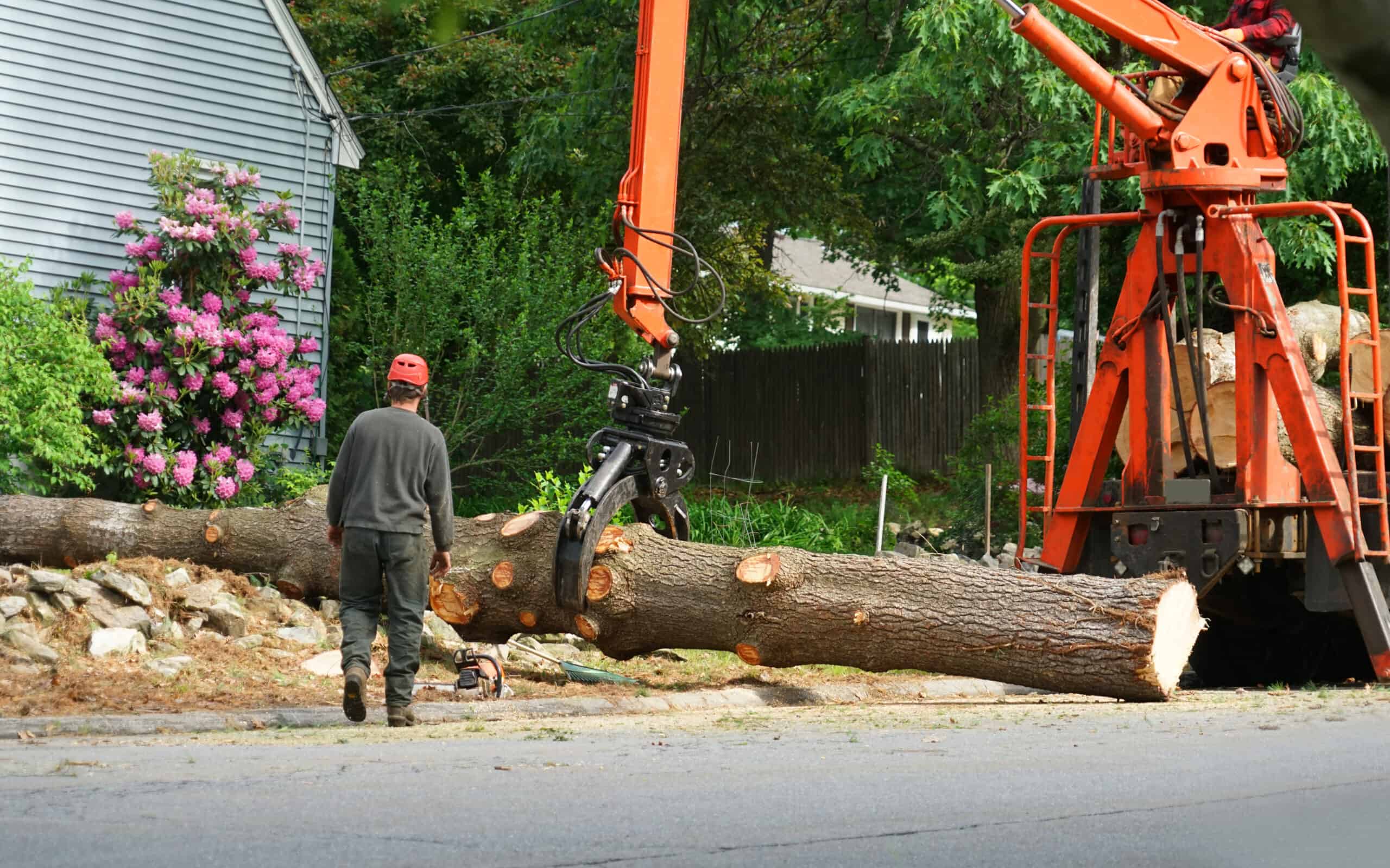
A worker wearing a red hard hat and dark clothing stands next to a large fallen tree trunk being lifted by an orange crane on a residential street. A chainsaw lies on the ground nearby, with a gray house and pink flowering shrub in the background, showcasing tree company Suffolk County expertise.

Tree Service Process

Here's How We Handle Your Trees

First, we come out and actually look at your trees. Not a quick glance from the driveway, but a real assessment of what’s healthy, what’s problematic, and what needs attention now versus later. You get a clear explanation of what we found and why it matters.

Then we handle the work with proper equipment and techniques that protect your property. No shortcuts, no damage to your landscaping or driveway, no mess left behind. If permits are needed, we handle that paperwork.

When we’re finished, your property looks better than when we started. Complete cleanup, debris removal, and any necessary follow-up care instructions. You know exactly what was done and what to expect going forward.

A person wearing gloves uses a chainsaw to cut a tree branch in a forest during autumn. Fallen leaves cover the ground, and cut logs are scattered in the background. Sunlight filters through the trees.

Ready to get started?

Explore More Services

About Long Island Best Tree Service

Get a Free Consultation

Complete Tree Maintenance Solutions

Everything Your Trees Actually Need

You get comprehensive tree care that covers pruning, removal, emergency response, and ongoing maintenance. Whether it’s routine trimming to keep trees healthy or emergency removal after storm damage, we handle it with the same attention to safety and property protection.

Our arborist services include disease diagnosis and treatment, because saving a mature tree is usually better than replacing it. We also provide storm preparation services that reduce the risk of damage during severe weather events that regularly hit Long Island.

Emergency response means we’re available when trees fall across driveways, damage roofs, or knock out power lines. But the real value is in preventing those emergencies through regular maintenance that keeps your trees healthy and your property safe year-round.

A person wearing safety gear uses a chainsaw to cut through the trunk of a large tree as part of a tree removal Nassau County project. Wood chips and sawdust scatter around the base, with smaller logs on the ground. Snow patches and a forested background suggest a winter setting.

How do I know if a tree on my property is dangerous?

Look for obvious signs like dead branches, cracks in the trunk, or trees leaning toward your house or power lines. But many dangerous conditions aren’t visible to untrained eyes. Root problems, internal decay, and structural weaknesses often develop without obvious external symptoms. A certified arborist can identify these hidden issues during a professional assessment. We check for things like soil conditions around roots, signs of disease or pest damage, and structural integrity that determines whether a tree can withstand normal wind loads. If you’re concerned about any tree on your property, it’s worth having it evaluated rather than waiting for a problem to develop.
Trimming usually refers to cutting back overgrown branches for appearance or clearance, while pruning is more strategic removal of specific branches to improve tree health and structure. Proper pruning involves understanding tree biology, growth patterns, and how different cuts affect the tree’s long-term health. It includes removing dead or diseased wood, eliminating branches that rub against each other, and shaping the tree’s structure to prevent future problems. Timing matters too – different tree species should be pruned at specific times of year to avoid stress or disease exposure. Professional arborists know these differences and can determine what type of cutting your trees actually need.
Tree removal costs vary significantly based on size, location, and complexity of the job. A small tree with easy access might cost a few hundred dollars, while large trees near houses or power lines can cost several thousand. Factors that affect pricing include the tree’s height and diameter, proximity to structures, accessibility for equipment, and disposal requirements. Emergency removals typically cost more than planned removals. The best approach is to get a written estimate that includes all aspects of the job – cutting, removal, stump grinding if needed, and complete cleanup. Avoid unusually low estimates, as they often indicate corners will be cut on safety, insurance, or cleanup.
Permit requirements vary by municipality in Nassau County, and some areas have strict regulations about removing certain trees. Many communities require permits for removing trees over a specific size or protected species, regardless of whether they’re on your property. Some areas also have replacement requirements if you remove healthy trees. Violations can result in significant fines and legal complications. Professional tree services familiar with local regulations can determine what permits are needed and handle the application process. It’s much easier to get proper permits upfront than to deal with code enforcement issues later. When in doubt, check with your local building department or work with a tree service that knows the local requirements.
The ideal timing depends on the type of work and tree species, but late fall through early spring is generally best for most pruning and non-emergency work. Trees are dormant during this period, which reduces stress and eliminates the risk of attracting insects that spread disease. However, emergency situations don’t wait for optimal timing – dangerous trees should be addressed immediately regardless of season. Some trees, like maples and birches, are best pruned in late summer to avoid excessive sap bleeding. Flowering trees should be pruned right after they bloom to avoid removing next year’s flowers. A professional arborist can recommend the best timing for your specific trees and maintenance needs.
Emergency tree service focuses on immediate safety and property protection rather than perfect cleanup or aesthetic results. The priority is removing trees or branches that pose immediate dangers – blocking roads, damaging structures, or threatening power lines. Response times depend on the severity of the situation and weather conditions, but legitimate emergencies get priority scheduling. Emergency work typically costs more than routine service due to the urgency, potential after-hours scheduling, and increased safety risks. Complete cleanup and final site restoration might be scheduled for a follow-up visit once immediate dangers are addressed. Make sure any emergency service provider is properly insured and equipped to handle dangerous situations safely.