Tree Service in Center Moriches, NY

Safe, Professional Tree Care You Can Trust

Expert tree service that protects your property and keeps your family safe year-round.

Looking up at a group of tall trees with thick trunks and vibrant green foliage, one might consider the necessity of tree trimming in Suffolk County, NY. Sunlight filters through the leaves, creating a dappled effect on the branches.

Hear from Our Customers

A tree surgeon wearing protective gear, including a helmet, ear protection, and harness, uses a chainsaw to cut a large tree trunk surrounded by green ivy. The background shows a clear sky and blurred foliage. For expert assistance, trust the premier tree service Nassau County relies on.

Professional Tree Care Center Moriches

Your Property Protected, Your Worries Gone

You shouldn’t have to worry every time the wind picks up. When your trees are properly maintained by professionals, you sleep better knowing your home, family, and neighbors are safe from falling branches or unstable trees.

Professional tree care means your property value stays protected too. Well-maintained trees add thousands to your home’s worth, while neglected or dangerous trees can actually hurt your property value and create liability issues.

You get peace of mind knowing the job’s done right the first time. No guessing about whether that leaning tree is actually dangerous, no wondering if that dead branch will come down in the next storm, and no dealing with the aftermath of amateur tree work gone wrong.

Trusted Tree Company Center Moriches

Long Island Tree Experts Since Day One

We’ve been protecting Center Moriches properties for years. We understand exactly what Long Island’s coastal climate does to trees – from salt air damage to nor’easter winds that test every branch.

Every crew member is trained, licensed, and insured because your property deserves that level of protection. We’ve built our reputation one satisfied customer at a time, handling everything from routine maintenance to emergency storm cleanup.

When you call us, you’re working with professionals who know the difference between a tree that needs trimming and one that needs removal. That expertise matters when you’re making decisions that affect your family’s safety and your property’s value.
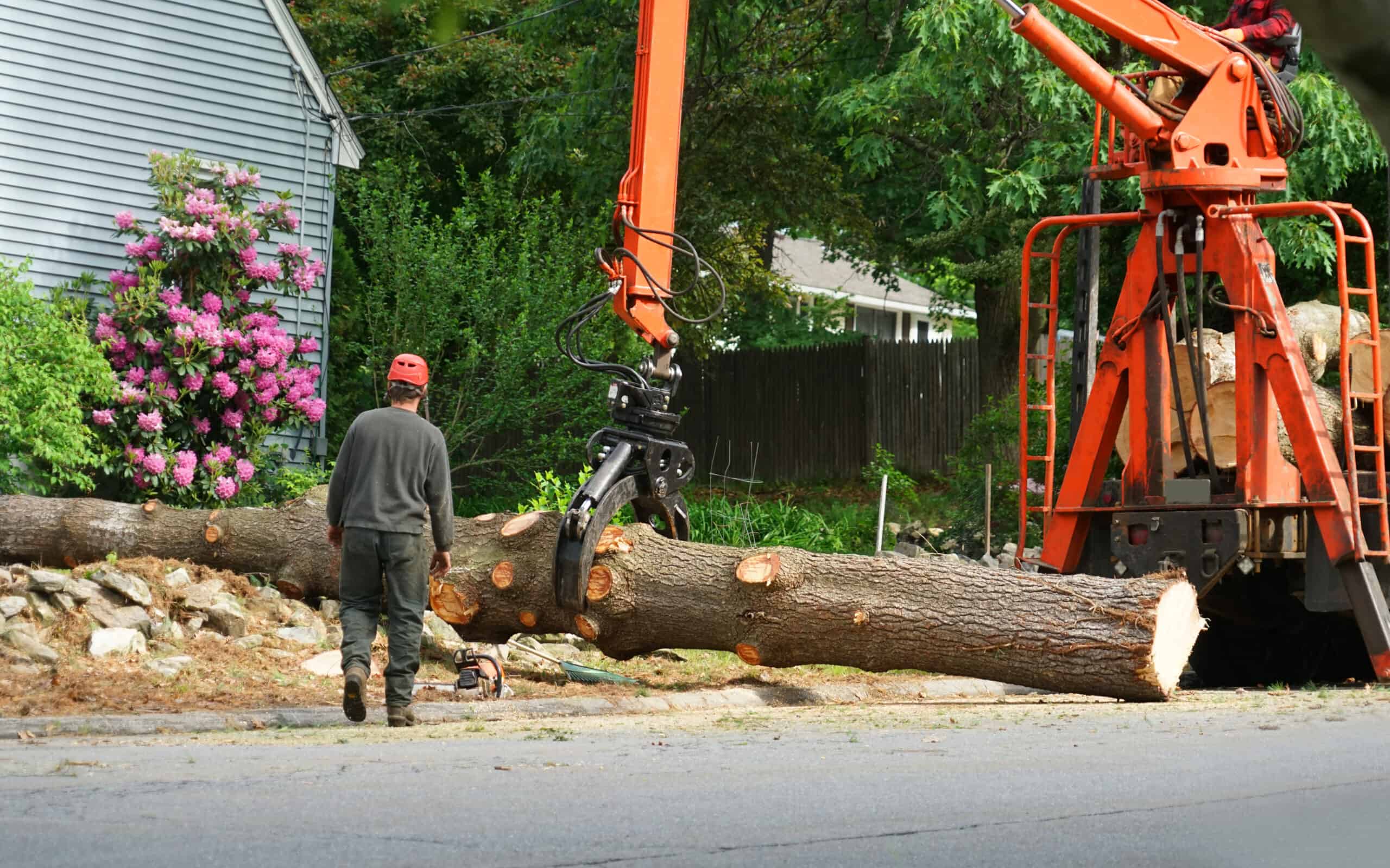
A worker wearing a red hard hat and dark clothing stands next to a large fallen tree trunk being lifted by an orange crane on a residential street. A chainsaw lies on the ground nearby, with a gray house and pink flowering shrub in the background, showcasing tree company Suffolk County expertise.

Tree Service Process Center Moriches

Simple Process, Professional Results Every Time

First, you get a thorough assessment of your trees and property. Our certified arborist examines each tree’s health, identifies potential hazards, and explains exactly what work is needed and why. You receive a detailed written estimate with no surprises.

Next, the work gets scheduled at your convenience. Our crew arrives with professional equipment, proper safety gear, and everything needed to complete the job efficiently. All work follows industry safety standards and local regulations.

Finally, you get complete cleanup and debris removal. Your property is left cleaner than when we arrived. All branches, leaves, and wood chips are removed unless you specifically request to keep firewood or mulch. The job isn’t finished until you’re completely satisfied with the results.

A person wearing gloves uses a chainsaw to cut a tree branch in a forest during autumn. Fallen leaves cover the ground, and cut logs are scattered in the background. Sunlight filters through the trees.

Ready to get started?

Explore More Services

About Long Island Best Tree Service

Get a Free Consultation

Complete Tree Services Center Moriches

Full Tree Care From Maintenance to Removal

You get comprehensive tree services designed for Long Island properties. Tree trimming and pruning keep your trees healthy and shaped properly, preventing weak branches that break in storms. Emergency tree removal handles dangerous situations quickly and safely, protecting your home from immediate threats.

Regular tree maintenance catches problems early, before they become expensive emergencies. Dead branches get removed before they fall, diseased areas get treated before they spread, and overgrown trees get properly shaped before they interfere with power lines or structures.

Stump grinding and complete debris removal mean your property looks perfect when the work is done. You don’t deal with unsightly stumps or piles of branches. Every service includes thorough cleanup because your property’s appearance matters as much as your trees’ health.

A person wearing safety gear uses a chainsaw to cut through the trunk of a large tree as part of a tree removal Nassau County project. Wood chips and sawdust scatter around the base, with smaller logs on the ground. Snow patches and a forested background suggest a winter setting.

How do I know if my tree is dangerous and needs removal?

Several warning signs indicate a tree may be dangerous: dead or hanging branches, cracks in the trunk, fungus growing at the base, or the tree leaning significantly after a storm. If you notice leaves dying on one side, bark falling off in large sections, or roots becoming exposed, these are also red flags. However, some dangerous conditions aren’t obvious to untrained eyes. A certified arborist can assess your tree’s structural integrity and identify problems before they become hazards. Don’t wait if you have concerns – a professional evaluation costs much less than property damage from a falling tree.
Tree trimming typically refers to cutting back overgrown branches for appearance and basic maintenance, usually done annually or seasonally. Tree pruning is more precise and focuses on the tree’s health – removing dead, diseased, or damaged branches, improving air circulation, and shaping growth patterns. Pruning requires more expertise because improper cuts can damage the tree permanently. Professional arborists know when to trim for aesthetics versus when to prune for health. The timing matters too – some trees should only be pruned during dormant seasons, while others can be trimmed year-round. Getting this wrong can stress the tree or make it vulnerable to disease.
Tree removal costs vary significantly based on size, location, and complexity. A small tree under 30 feet might cost $300-800, while large trees over 60 feet can range from $1,500-4,000 or more. Trees near power lines, buildings, or in tight spaces cost more due to the specialized equipment and extra care required. Emergency removals typically cost more than scheduled work. The price includes cutting, removal, and basic cleanup, but stump grinding is usually separate. Always get written estimates from licensed, insured companies. The cheapest quote often means corners will be cut on safety or cleanup, which can cost you more in the long run.
Late fall through early spring is generally best for most tree trimming on Long Island, when trees are dormant and less stressed by cutting. However, timing depends on the tree species – oak trees should never be trimmed during growing season due to oak wilt disease risk, while fruit trees have specific pruning windows for optimal health and production. Dead or dangerous branches should be removed immediately regardless of season. Storm damage also requires immediate attention. Professional arborists know the right timing for each species and can advise whether your specific situation can wait for optimal timing or needs immediate attention for safety reasons.
Permit requirements vary by tree size, species, and location on your property. Many municipalities on Long Island require permits for removing healthy trees over a certain diameter, especially if they’re considered significant or heritage trees. Trees in protected areas or near wetlands almost always require permits. However, dead, diseased, or immediately dangerous trees can usually be removed without permits. Your tree service company should know local regulations and can often handle permit applications if needed. Don’t assume you can skip this step – removing protected trees without permits can result in significant fines and required replacement plantings that cost much more than the original permit.
Always verify licensing and insurance first – a legitimate company will provide proof without hesitation. Look for certified arborists on staff, not just general laborers with chainsaws. Get multiple written estimates that detail exactly what work will be performed and what’s included in cleanup. Avoid door-to-door solicitors or companies demanding payment upfront. Check references and online reviews, but focus on recent feedback about work quality and cleanup. Professional companies use proper equipment, follow safety protocols, and clean up thoroughly. Be wary of significantly low bids – they often indicate shortcuts on safety, insurance, or cleanup that will cost you more later. Quality tree work is an investment in your property’s safety and value.