Tree Company in Woodsburgh, NY

Professional Tree Care You Can Trust

We’re licensed arborists handling everything from emergency storm damage to routine maintenance throughout Nassau County.

Workers expertly handle tree trimming in Suffolk County NY, pruning large trees along a residential street. A truck with an extended crane is parked, elevating one worker in a bucket. Safety cones outline the area, and fallen branches scatter across the grass.

Hear from Our Customers

Sunlight filters through the leaves of trees in a serene garden. The well-maintained grass and gentle slopes create a peaceful, sunlit landscape.

Professional Tree Service Woodsburgh

Your Property Safe and Beautiful

You get peace of mind knowing those towering oaks and maples around your home are properly maintained and safe. No more worrying about branches coming down in the next storm or dead trees threatening your roof.

Your landscape looks cleaner and more intentional. Proper tree trimming opens up views, lets more light into your yard, and gives your property that well-maintained look that neighbors notice.

When storms hit Long Island, you’re prepared instead of panicked. Regular tree maintenance prevents most emergency situations, and when nature does its worst, you know exactly who to call for fast, professional cleanup.

Licensed Arborist Woodsburgh NY

Local Experts Who Show Up

We’ve been handling tree care throughout Nassau County for years. Our team includes ISA-certified arborists who understand how coastal weather affects Long Island trees.

You’re working with a fully licensed and insured local company, not some guy with a chainsaw. We carry proper equipment and follow safety protocols that protect both your property and our workers.

When you call, you get someone who knows the difference between a Norway maple and a red oak, and more importantly, knows how each species responds to pruning and weather stress in this climate.
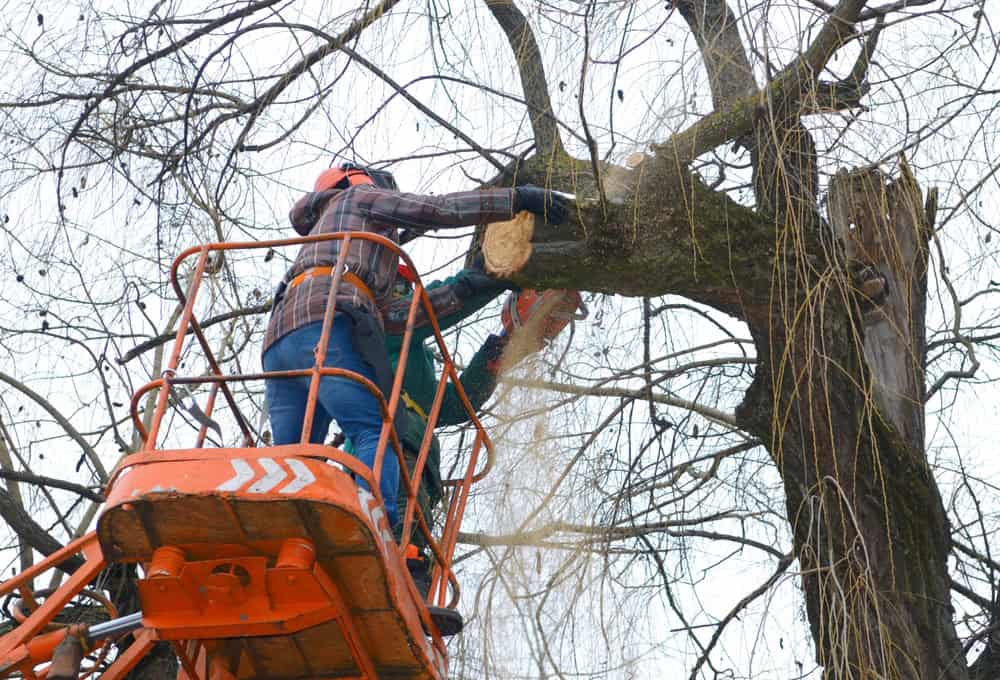
Two workers in safety gear trim branches of a tree using a chainsaw while standing on an orange hydraulic lift. The tree is bare, with no leaves, and the sky is overcast.

Tree Care Process Woodsburgh

Simple Process, Professional Results

Everything starts with a free estimate where a certified arborist evaluates your trees and explains exactly what needs to be done. You get transparent pricing upfront, no surprises or hidden fees added later.

We arrive on schedule with proper equipment and safety gear. All work follows industry standards for tree care, whether it’s precise pruning cuts that promote healthy growth or safe removal techniques that protect your property.

Complete cleanup is included in every job. You don’t deal with hauling branches or grinding stumps unless you specifically want to handle it yourself. We leave your property cleaner than we found it, with all debris removed and the work area restored.
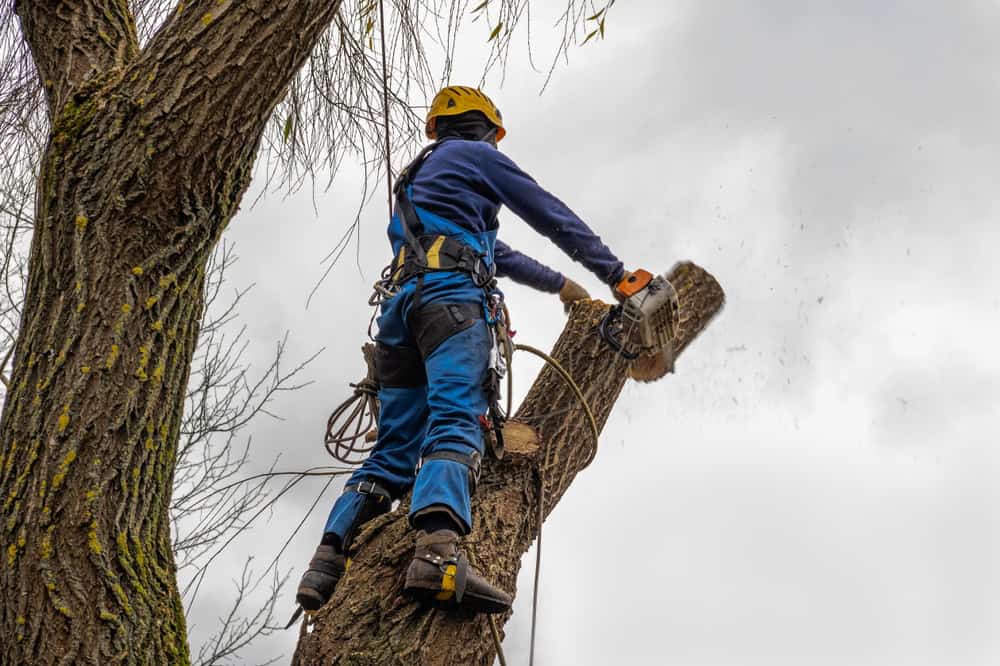
A person in safety gear is climbing a tree and using a chainsaw to cut a thick branch. The sky is overcast, and tree debris is visible in the air.

Ready to get started?

Explore More Services

About Long Island Best Tree Service

Get a Free Consultation

Tree Maintenance Services Woodsburgh

Complete Tree Care Solutions

We provide comprehensive tree services from routine trimming and pruning to complete tree removal and emergency storm cleanup. We handle everything from small ornamental trees to massive old-growth specimens that require specialized equipment.

Emergency tree service is available 24/7 because storms don’t wait for business hours. When trees come down across driveways or threaten power lines, you need someone who responds quickly with the right equipment and experience.

Regular tree maintenance includes health assessments, disease identification, and preventive care that keeps your trees healthy and reduces the risk of storm damage. Proper pruning techniques promote strong growth and eliminate weak branches before they become problems.

A person wearing a black glove uses a green-handled lopper with orange grips to cut a branch from a tree against a clear blue sky.

How much does tree removal cost in Woodsburgh, NY?

Tree removal costs vary significantly based on size, location, and complexity of the job. A small ornamental tree might cost $300-600 to remove, while large mature trees near structures can range from $1,500-4,000 or more. Factors that affect pricing include tree height, trunk diameter, proximity to buildings or power lines, accessibility for equipment, and whether stump grinding is included. Emergency removal after storm damage typically costs more due to increased safety risks and urgent response requirements. The best approach is getting a free estimate from a licensed arborist who can evaluate your specific situation and provide accurate pricing.
Late fall through early spring is generally the best time for tree trimming on Long Island, when trees are dormant and less susceptible to stress or disease. Most deciduous trees should be pruned between November and March, before new growth begins. However, timing varies by species – oak trees should only be pruned during dormant season to prevent oak wilt disease, while maples can be trimmed year-round except during heavy sap flow in early spring. Dead, damaged, or dangerous branches should be removed immediately regardless of season. Emergency pruning after storms is necessary whenever it occurs, but follow-up corrective pruning should wait for the appropriate season when possible.
Woodsburgh has specific tree preservation ordinances that may require permits for removing certain trees, particularly those over specific diameter thresholds or designated as significant trees. Generally, permits are required for removing healthy trees over 6 inches in diameter, though regulations can vary based on tree species and location on your property. Dead, diseased, or dangerous trees typically don’t require permits, but documentation of the tree’s condition may be needed. Your tree service company should be familiar with local regulations and can help determine if permits are necessary. It’s always better to check with the village building department before removing large or healthy trees to avoid potential fines.
Several warning signs indicate a potentially dangerous tree: large dead branches, cracks in the trunk, fungal growth at the base, significant lean toward structures, root damage from construction, or hollow-sounding trunk when tapped. After storms, look for hanging branches, exposed roots, or new cracks. Trees with multiple trunks or poor branch structure are more prone to failure. Soil changes around the base, such as raised or sunken areas, can indicate root problems. If you notice any of these signs, have a certified arborist evaluate the tree immediately. Don’t wait – tree failures can cause serious property damage or injury, and insurance companies may deny claims if you ignored obvious warning signs.
Homeowner’s insurance typically covers tree removal only when the tree falls and damages a covered structure like your house, garage, or fence. If a tree falls in your yard without hitting anything, removal is usually your responsibility. Insurance may also cover removal of trees that pose an immediate threat to covered structures, but this varies by policy. Preventive tree removal for healthy trees is never covered. When storms damage trees, insurance often covers removal and cleanup, but you’ll need proper documentation and may need to use approved contractors. Always check your specific policy and contact your insurance company before assuming coverage. Keep receipts and photos for any tree-related insurance claims.
Most mature trees benefit from professional inspection and maintenance every 2-3 years, though young trees may need annual attention to establish proper structure. Fast-growing species or trees in stressful locations might require yearly care, while slow-growing, healthy trees in ideal conditions can go longer between services. After major storms, all trees should be inspected for damage regardless of their maintenance schedule. Signs that indicate immediate professional attention include dead branches, pest infestations, disease symptoms, or changes in tree appearance. Regular maintenance is more cost-effective than waiting for problems to develop, and it significantly reduces the risk of tree failure during storms. A certified arborist can establish an appropriate maintenance schedule based on your specific trees and property conditions.