Tree Company in Mill Neck, NY

Safe, Professional Tree Care You Can Trust

Expert tree service that protects your property and keeps your family safe year-round.

Workers expertly handle tree trimming in Suffolk County NY, pruning large trees along a residential street. A truck with an extended crane is parked, elevating one worker in a bucket. Safety cones outline the area, and fallen branches scatter across the grass.

Hear from Our Customers

Sunlight filters through the leaves of trees in a serene garden. The well-maintained grass and gentle slopes create a peaceful, sunlit landscape.

Professional Tree Service Mill Neck

Your Property Protected, Your Worries Gone

You get peace of mind knowing your trees won’t damage your home during the next storm. No more staring at that leaning oak wondering when it might fall. No more dead branches hanging over your roof like a ticking time bomb.

Professional tree care means your property value stays protected. Your insurance stays valid. Your family stays safe.

When trees are properly maintained, they add beauty and value to your home instead of creating stress. You can enjoy your yard without constantly worrying about what might happen next.

Mill Neck Tree Care Experts

Local Arborists Who Know Long Island Trees

Long Island Best Tree Service has been serving Mill Neck and surrounding areas with professional tree care that homeowners actually trust. We understand how coastal weather, soil conditions, and local tree species behave on Long Island.

Licensed, insured, and equipped to handle everything from routine maintenance to storm emergencies. We know which trees thrive here and which ones become problems.

You’re not getting fly-by-night operators or weekend warriors. You’re getting professionals who live and work in this community.
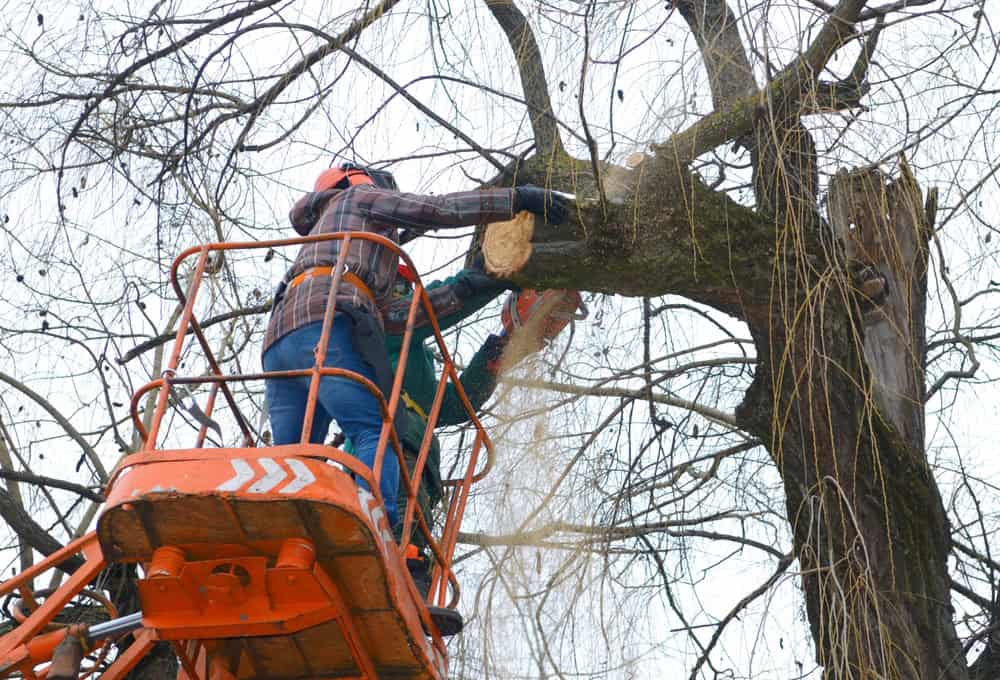
Two workers in safety gear trim branches of a tree using a chainsaw while standing on an orange hydraulic lift. The tree is bare, with no leaves, and the sky is overcast.

Tree Service Process Mill Neck

Simple Process, Professional Results Every Time

First, our certified arborist evaluates your trees and explains exactly what needs to happen. No surprises, no upselling. Just honest assessment of what’s safe, what’s not, and what can wait.

Next, our crew arrives with proper equipment and safety gear. We protect your landscaping, your driveway, and your neighbor’s property while we work. Every cut is planned. Every branch comes down safely.

Finally, complete cleanup leaves your property cleaner than when we arrived. You get healthy trees, eliminated hazards, and debris removed. The job gets done right the first time.
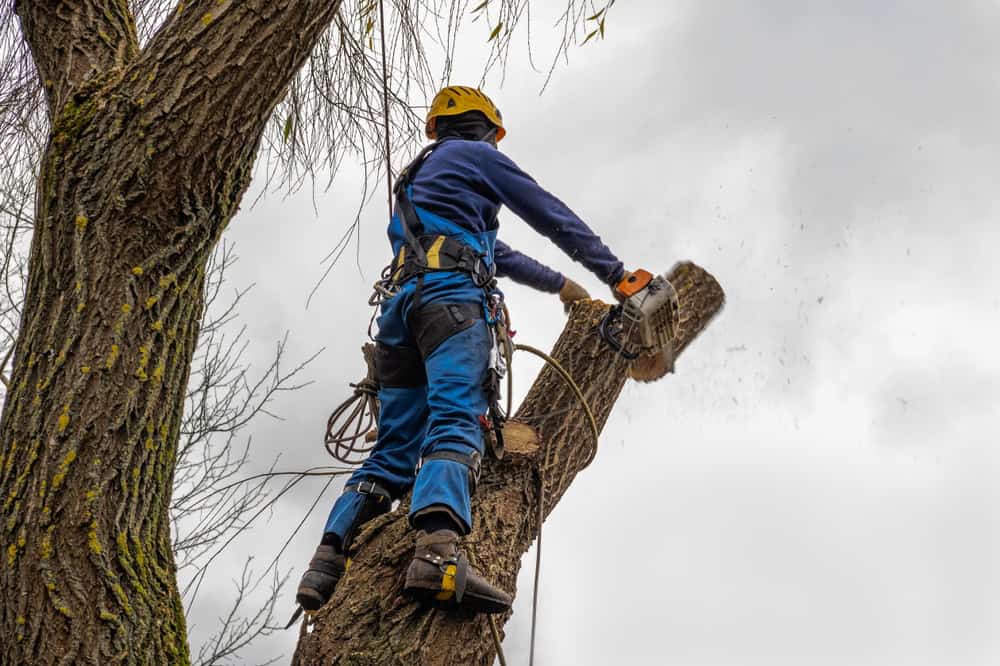
A person in safety gear is climbing a tree and using a chainsaw to cut a thick branch. The sky is overcast, and tree debris is visible in the air.

Ready to get started?

Explore More Services

About Long Island Best Tree Service

Get a Free Consultation

Complete Tree Care Services

Everything Your Trees Need, Nothing You Don't

Tree removal handles dangerous, dead, or unwanted trees safely. Emergency services respond when storms create immediate hazards. Tree trimming keeps growth healthy and away from structures.

Stump grinding eliminates tripping hazards and frees up yard space. Disease treatment saves valuable trees when possible. Preventive maintenance catches problems before they become expensive emergencies.

Mill Neck’s mature trees need specialized care. The sandy soil, salt air, and storm exposure create unique challenges. Local expertise makes the difference between trees that thrive and trees that become problems.

A person wearing a black glove uses a green-handled lopper with orange grips to cut a branch from a tree against a clear blue sky.

How do I know if a tree needs to be removed?

Dead trees, trees with major structural damage, or trees leaning toward your house typically need removal. Look for large dead branches, hollow trunks, or root damage around the base. If a tree lost more than 50% of its canopy in a storm, removal is often the safest option. Certified arborists can assess borderline cases, but when in doubt, get a professional evaluation. Trees that interfere with power lines or have grown too close to foundations also usually require removal for safety reasons.
Trimming typically refers to cutting back overgrown branches for appearance and clearance from structures. Pruning is more precise – removing specific branches to improve tree health, structure, and growth patterns. Pruning involves cutting diseased or damaged wood, thinning dense canopies for better air circulation, and shaping young trees properly. Both services keep trees healthy, but pruning requires more expertise about tree biology and growth patterns. The timing also matters – most trees should be pruned during dormant seasons to minimize stress and disease risk.
Yes, we provide emergency response for dangerous situations like trees on houses, blocking driveways, or threatening power lines. Safety comes first – if a tree is touching power lines, call the utility company immediately before anyone else. For trees that have fallen but aren’t creating immediate danger, we prioritize based on safety risks. Storm damage often means waiting lists, so having a relationship with a local tree service before emergencies happen gets you faster response when you need it most.
Tree removal costs depend on size, location, and complexity. Small trees under 30 feet might cost $300-800. Medium trees 30-60 feet typically run $800-1,500. Large trees over 60 feet or trees near structures can cost $1,500-4,000 or more. Difficult access, power line proximity, and disposal requirements affect pricing. Emergency removals cost more than scheduled work. Getting written estimates from licensed, insured companies protects you from surprise charges. Cheap prices often mean corners get cut on safety or insurance coverage.
Late fall through early spring works best for most trees when they’re dormant. This timing minimizes stress and reduces disease transmission risk. Oak trees should only be trimmed between November and March to prevent oak wilt disease. Dead or dangerous branches can be removed anytime for safety. Avoid trimming during active growth periods in late spring and summer unless it’s an emergency. Storm preparation trimming should happen before hurricane season starts. Flowering trees have specific timing needs – trim spring bloomers right after flowering, summer bloomers in late winter.
Yes, we carry full licensing and comprehensive insurance including general liability and workers compensation. This protects you from liability if someone gets hurt on your property or if property damage occurs during tree work. Always verify insurance certificates before work begins – legitimate companies provide this documentation readily. Unlicensed operators might offer lower prices but leave you financially responsible for accidents or damage. Tree work involves significant risks, so proper insurance isn’t optional. Licensed arborists also understand local regulations about tree removal and permits.