Tree Company in Mattituck, NY

Keep Your Trees Healthy and Safe

Professional tree care that prevents problems before they damage your property or threaten your family’s safety.

Workers expertly handle tree trimming in Suffolk County NY, pruning large trees along a residential street. A truck with an extended crane is parked, elevating one worker in a bucket. Safety cones outline the area, and fallen branches scatter across the grass.

Hear from Our Customers

Sunlight filters through the leaves of trees in a serene garden. The well-maintained grass and gentle slopes create a peaceful, sunlit landscape.

Professional Tree Care Services

What Proper Tree Care Actually Does

You get trees that can handle Long Island’s coastal storms without dropping branches on your roof. Your property looks better, stays safer, and maintains its value year after year.

Regular tree maintenance means fewer emergency calls, lower insurance claims, and peace of mind when the weather turns rough. You’re not wondering if that big oak is going to come down in the next nor’easter.

When trees are properly maintained, they live longer and cause fewer problems. You spend less money on emergency removals and more time enjoying your property the way it should be.

Mattituck Tree Service Company

We Know Long Island Trees

Long Island Best Tree Service has been working with North Fork property owners for years. We understand how coastal weather affects your trees and what species thrive here.

Our team includes licensed arborists who can spot problems before they become expensive emergencies. We’re fully insured and equipped to handle everything from routine trimming to storm damage cleanup.

When you call us, you’re working with people who live and work in this area. We know which trees struggle with salt air and which ones need extra attention before storm season.
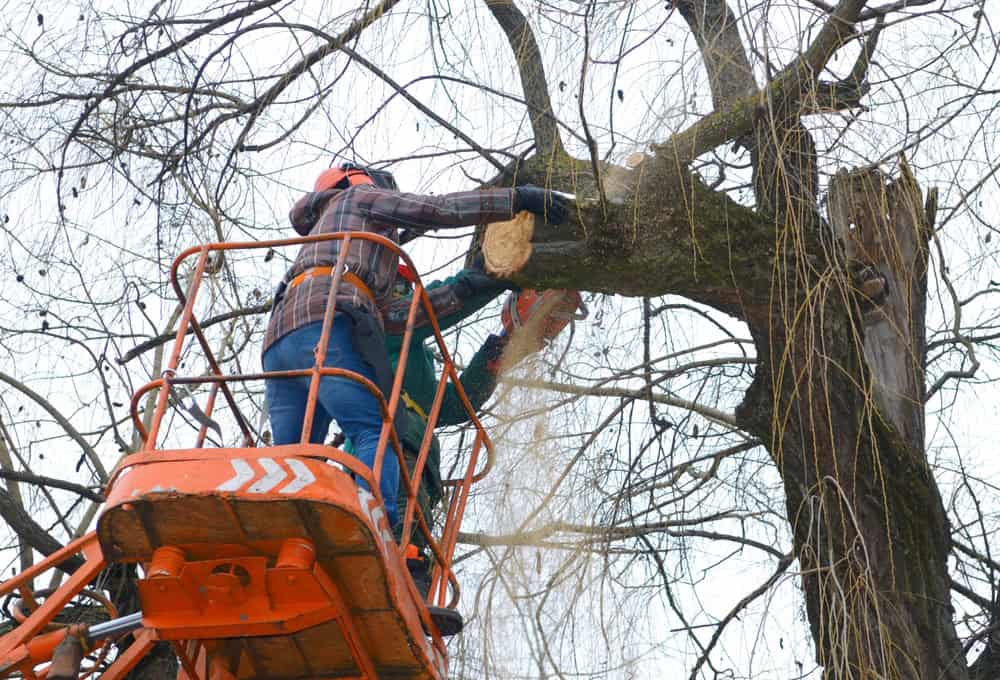
Two workers in safety gear trim branches of a tree using a chainsaw while standing on an orange hydraulic lift. The tree is bare, with no leaves, and the sky is overcast.

Tree Service Process

How We Handle Your Tree Work

First, we come out and assess what you’re dealing with. Our arborist looks at tree health, identifies potential hazards, and explains what needs attention now versus what can wait.

We give you a clear estimate with no surprises. If it’s emergency work, we move fast. For planned maintenance, we schedule around your timeline and the trees’ needs.

During the work, we use proper equipment and follow safety protocols. We clean up completely when we’re done – you shouldn’t have to deal with debris or damage to your landscaping. If permits are needed, we handle that too.
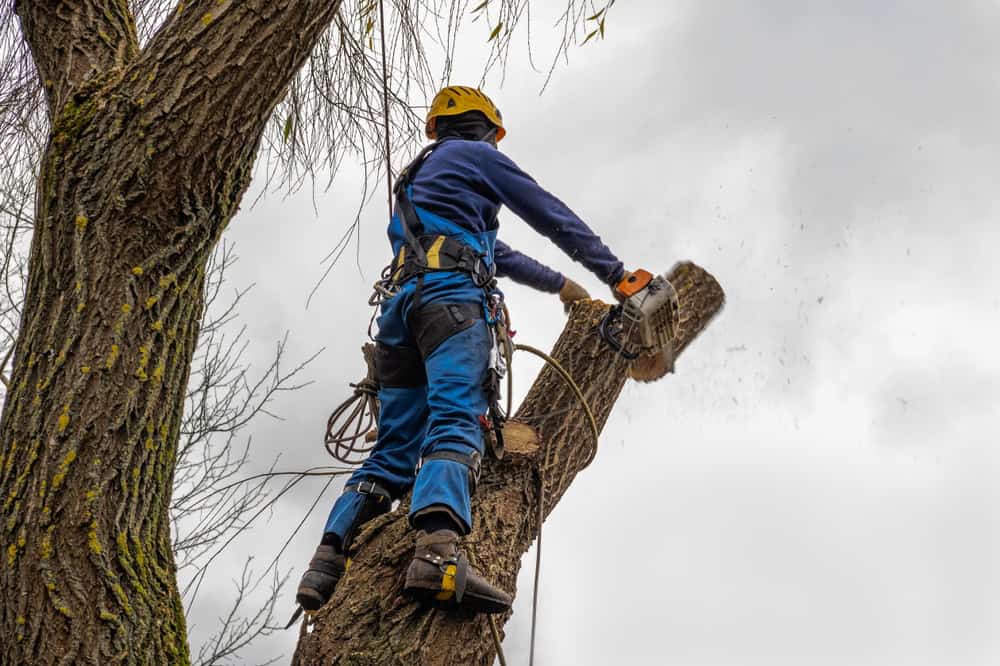
A person in safety gear is climbing a tree and using a chainsaw to cut a thick branch. The sky is overcast, and tree debris is visible in the air.

Ready to get started?

Explore More Services

About Long Island Best Tree Service

Get a Free Consultation

Complete Tree Care Solutions

What's Included in Our Service

You get professional tree trimming that actually improves tree health, not just random cutting. Emergency tree service when storms hit. Safe removal of dead or dangerous trees that threaten your property.

Our arborist services include health assessments, disease treatment, and long-term care planning. We handle the paperwork for permits and can document tree conditions for insurance purposes if needed.

Every job includes complete cleanup and debris removal. We bring the right equipment for your specific situation, whether that’s working around power lines, tight spaces, or delicate landscaping.

A person wearing a black glove uses a green-handled lopper with orange grips to cut a branch from a tree against a clear blue sky.

How often should I have my trees professionally trimmed?

Most mature trees benefit from professional trimming every 3-5 years, but it depends on the species and location. Fast-growing trees like maples might need attention every 2-3 years, while slower-growing oaks can often go longer. Trees near your house or power lines need more frequent monitoring. We recommend having an arborist assess your trees annually to catch problems early and determine the right trimming schedule for each tree.
Tree trimming typically refers to cutting back overgrown branches for safety, clearance, or appearance. Tree pruning is more precise – it’s about removing specific branches to improve tree health, structure, and growth patterns. Pruning requires understanding tree biology and proper cutting techniques to avoid damaging the tree. Both are important, but pruning is what actually keeps your trees healthy long-term while trimming addresses immediate safety or aesthetic concerns.
Yes, we respond to emergency tree situations as quickly and safely as possible. During active storms, we prioritize calls where trees are threatening homes, blocking roads, or creating immediate safety hazards. Once conditions are safe, we work to clear debris and assess remaining trees for stability. Keep in mind that emergency services during severe weather may take longer due to high demand and safety considerations for our crews.
Signs that a tree might need removal include significant trunk damage, large dead sections, root problems, or severe lean toward structures. Trees with extensive disease or pest damage that can’t be treated may also need removal. However, many trees that look problematic can actually be saved with proper care. An arborist assessment is the best way to determine if removal is necessary or if treatment options exist to preserve the tree safely.
Professional tree companies take steps to minimize damage to your property. We use equipment mats to protect lawns, plan our approach to avoid flower beds, and clean up thoroughly when finished. Some minor impact is sometimes unavoidable, especially for large removals, but experienced crews know how to work efficiently while protecting your landscaping. We’ll discuss any potential impacts before starting work and take reasonable precautions to preserve your property.
Yes, we’re familiar with local permit requirements and can handle the paperwork for you. Some municipalities require permits for removing trees over certain sizes or in specific locations. We know which situations require permits and what documentation is needed. This saves you time and ensures the work is done legally. Permit costs are typically separate from the tree work itself, and we’ll explain any requirements upfront so there are no surprises.