Tree Company in Locust Valley, NY

Your Trees Are Safe With Us

Professional tree care that protects your property and gives you peace of mind year-round.

Workers expertly handle tree trimming in Suffolk County NY, pruning large trees along a residential street. A truck with an extended crane is parked, elevating one worker in a bucket. Safety cones outline the area, and fallen branches scatter across the grass.

Hear from Our Customers

Sunlight filters through the leaves of trees in a serene garden. The well-maintained grass and gentle slopes create a peaceful, sunlit landscape.

Professional Tree Service Locust Valley

What Proper Tree Care Gets You

Your property stays safe. That’s what matters most when you’re dealing with mature trees near your home, driveway, or power lines.

You get trees that actually enhance your property value instead of threatening it. Proper pruning keeps them healthy and strong, while removing the dead or dangerous ones eliminates the worry that keeps you up during storm season.

You also get your time back. No more wondering if that leaning oak is going to come down in the next big wind, or trying to figure out which companies you can trust with a job this important. We handle everything from assessment to cleanup, so you can focus on everything else.

Locust Valley Tree Care Experts

We Know Long Island Trees

We’ve been working with homeowners in Locust Valley and surrounding Nassau County communities for years. We understand how coastal conditions, storms, and mature landscapes affect your trees.

Our team includes certified arborists who can tell you exactly what’s going on with your trees and what needs to be done. We’re fully licensed and insured, which protects both you and us when we’re working on your property.

Most importantly, we show up when we say we will and clean up completely when we’re done. That shouldn’t be remarkable, but it is in this business.
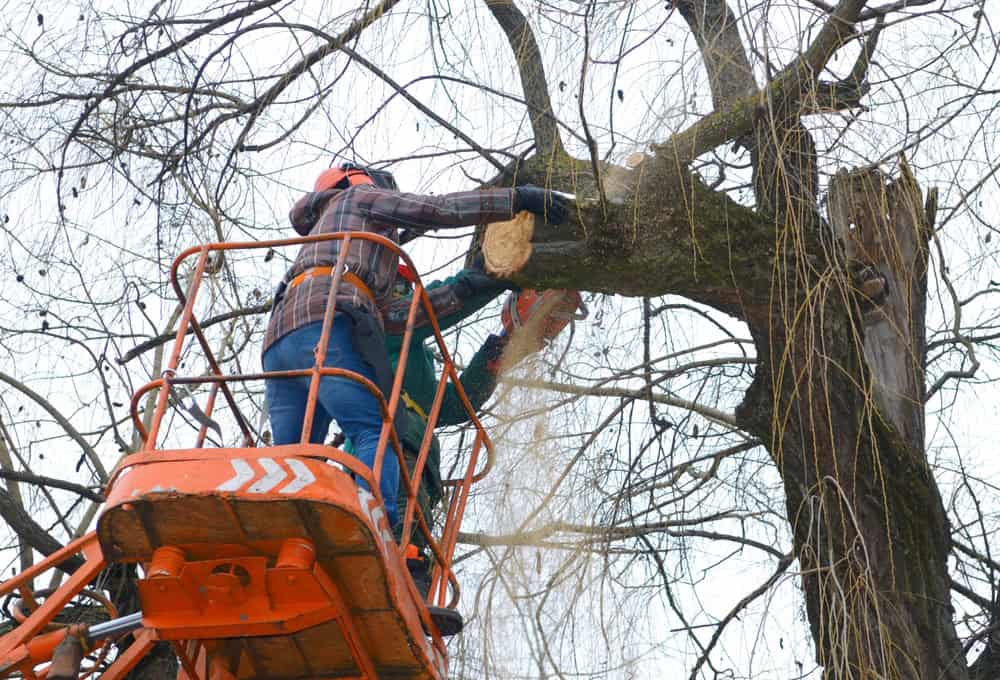
Two workers in safety gear trim branches of a tree using a chainsaw while standing on an orange hydraulic lift. The tree is bare, with no leaves, and the sky is overcast.

Tree Service Process Locust Valley

Here's How We Handle Your Trees

We start with a thorough assessment of your trees and property. Our arborist will walk the grounds with you, point out any concerns, and explain what we’re seeing in plain language.

You’ll get a detailed written estimate that breaks down exactly what work needs to be done and why. No surprises, no pressure, just the information you need to make the right decision for your property.

When we do the work, we bring the right equipment and take the necessary safety precautions. We protect your landscaping, your driveway, and anything else that could be affected. After the tree work is complete, we handle all debris removal and leave your property cleaner than we found it.
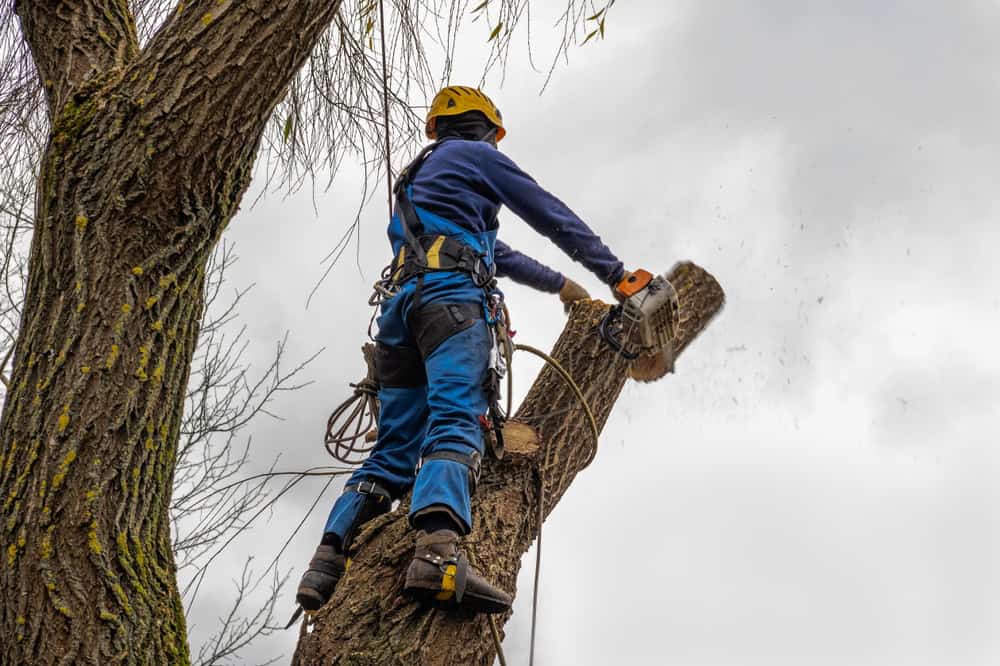
A person in safety gear is climbing a tree and using a chainsaw to cut a thick branch. The sky is overcast, and tree debris is visible in the air.

Ready to get started?

Explore More Services

About Long Island Best Tree Service

Get a Free Consultation

Complete Tree Care Services

Everything Your Trees Need

Our tree service covers everything from routine maintenance to emergency storm response. Tree removal for dead, diseased, or hazardous trees that pose a risk to your property. Professional pruning and trimming that promotes healthy growth and maintains the shape you want.

Emergency tree service when storms hit and you need immediate help with fallen trees or dangerous hanging branches. We respond quickly because we know these situations can’t wait.

Tree health assessments help you understand what’s happening with your trees before problems become expensive. Our certified arborists can identify disease, pest issues, or structural problems early, when they’re still manageable.

A person wearing a black glove uses a green-handled lopper with orange grips to cut a branch from a tree against a clear blue sky.

How do I know if a tree needs to be removed?

Dead trees always need to come down, but the signs aren’t always obvious. Look for large sections of dead branches, fungus growing at the base, or significant lean that’s developed recently. If the tree is dropping large branches regularly or has extensive damage to the trunk, removal is usually the safest option. Our arborists can assess borderline cases and give you an honest evaluation of whether the tree can be saved or needs to go.
Trimming typically refers to cutting back overgrown branches for appearance or clearance from buildings and power lines. Pruning is more precise work focused on tree health – removing dead, diseased, or crossing branches to improve the tree’s structure and growth. Both are important, but pruning requires more knowledge of tree biology to avoid damaging the tree. We handle both types of work and will recommend what your specific trees need.
For true emergencies – trees on houses, blocking roads, or creating immediate safety hazards – we typically respond the same day or within 24 hours. We prioritize these calls because we know they can’t wait. For urgent but non-emergency situations like hanging branches or trees that came down in your yard, we usually get there within a few days. We’ll give you a realistic timeframe when you call.
Yes, complete cleanup is included in our service. We remove all branches, logs, and debris from your property unless you specifically want to keep some for firewood. We also rake up smaller debris and leaves. The only thing we typically leave behind is mulch from chipped branches, and only if you want it for your landscaping. Our goal is to leave your property looking better than when we arrived.
Absolutely. We carry full liability insurance and workers’ compensation coverage, which protects you if anything goes wrong during the job. We’re licensed for tree work in New York State and our arborists maintain their certifications. We can provide proof of insurance before starting any work. This is crucial protection that not all tree companies carry, so always ask to see current certificates before hiring anyone.
For most trees, late fall through early spring is ideal when they’re dormant. This timing reduces stress on the tree and minimizes sap loss. However, dead or hazardous branches should be removed immediately regardless of season. Some trees have specific timing requirements – for example, oaks are best pruned in winter to avoid oak wilt disease. We’ll recommend the best timing for your specific trees and situation.