Tree Company in Hewlett Neck, NY

Your Trees Handled Right the First Time

Professional tree care that protects your property and keeps your landscape healthy year-round.

Workers expertly handle tree trimming in Suffolk County NY, pruning large trees along a residential street. A truck with an extended crane is parked, elevating one worker in a bucket. Safety cones outline the area, and fallen branches scatter across the grass.

Hear from Our Customers

Sunlight filters through the leaves of trees in a serene garden. The well-maintained grass and gentle slopes create a peaceful, sunlit landscape.

Professional Tree Service Hewlett Neck

What You Get With Expert Tree Care

Your property stays safe. That’s what matters most when you’re dealing with large trees near your home, driveway, or power lines.

Professional tree care means you’re not guessing about which branches pose risks or whether that leaning oak will make it through the next storm. You get clear answers from licensed arborists who know Long Island’s tree species and weather patterns.

Your landscape stays intact too. Proper equipment and technique mean no torn-up lawns, damaged sprinkler systems, or crushed flower beds. The job gets done without creating new problems, and your property looks better when the work is finished.

Local Arborist Services Nassau County

Long Island Tree Experts Since Day One

We’ve been handling tree care throughout Nassau County for years. We focus on doing the work right rather than doing it fast or cheap.

Every crew member is trained in proper tree care techniques and safety protocols. We carry full licensing and insurance because tree work involves real risks to property and people.

Local expertise matters when you’re dealing with Long Island’s specific challenges – salt air, nor’easters, and the mix of mature trees that make Hewlett Neck properties so valuable.
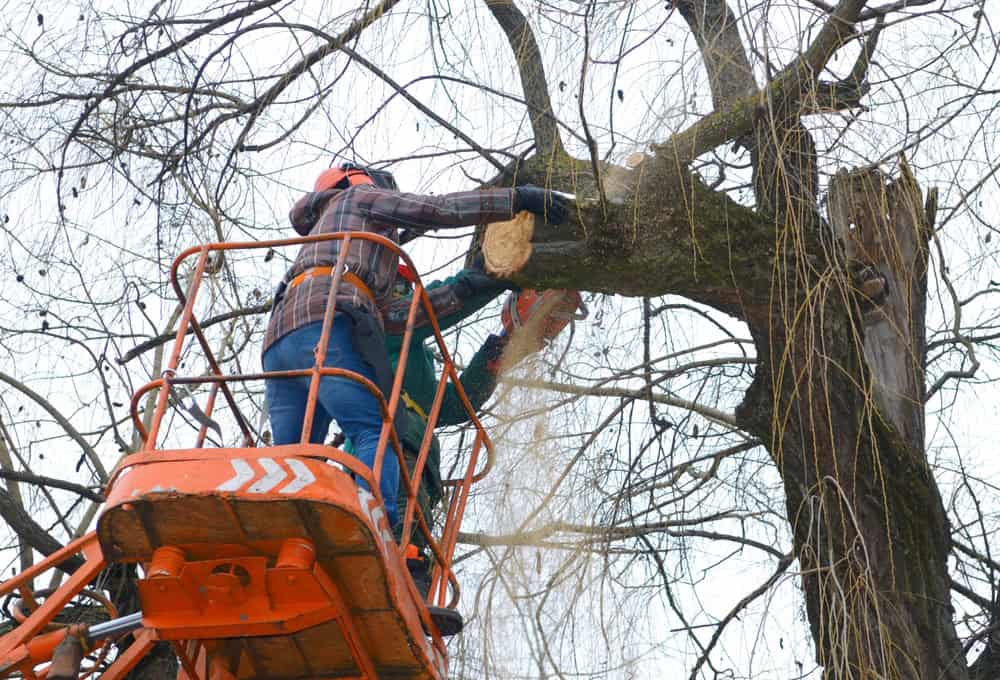
Two workers in safety gear trim branches of a tree using a chainsaw while standing on an orange hydraulic lift. The tree is bare, with no leaves, and the sky is overcast.

Tree Care Process Hewlett Neck

How Professional Tree Care Actually Works

First, you get an honest assessment. Our licensed arborist examines your trees, identifies any safety concerns, and explains what needs attention now versus what can wait.

The estimate covers everything – labor, equipment, cleanup, and disposal. No surprise fees or charges for things that should be included anyway.

When the work happens, our crew protects your property first. Tarps go down, equipment stays on designated paths, and removal techniques prevent damage to structures or surrounding plants. Complete cleanup means you won’t find branches or debris weeks later.
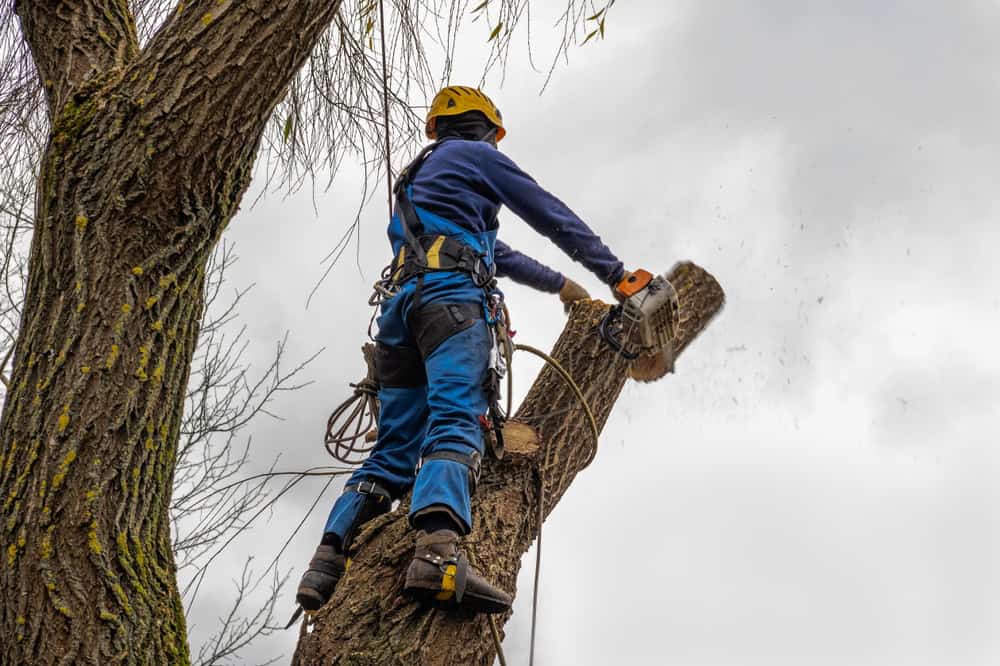
A person in safety gear is climbing a tree and using a chainsaw to cut a thick branch. The sky is overcast, and tree debris is visible in the air.

Ready to get started?

Explore More Services

About Long Island Best Tree Service

Get a Free Consultation

Tree Maintenance Services Available

Complete Tree Care for Hewlett Neck Properties

Our emergency tree service handles storm damage, fallen trees, and dangerous situations that can’t wait. Response time matters when trees are blocking driveways or threatening structures.

Regular tree maintenance includes pruning, trimming, and health assessments that prevent problems before they start. Proper pruning extends tree life and reduces the risk of branch failure during storms.

Tree removal becomes necessary when trees are diseased, damaged beyond saving, or pose ongoing safety risks. Professional removal protects surrounding property and ensures complete stump grinding when requested. Every service includes thorough cleanup and debris removal.

A person wearing a black glove uses a green-handled lopper with orange grips to cut a branch from a tree against a clear blue sky.

How do I know if a tree needs to be removed or just trimmed?

A licensed arborist can tell the difference, but here are the basics: trees with more than 50% dead or damaged wood usually need removal. Trees leaning significantly toward structures or showing root damage at the base are also removal candidates. However, many trees that look problematic can be saved with proper pruning. Dead branches, overgrowth, and even some disease issues respond well to professional trimming. The key is getting an expert assessment before making the decision, because unnecessary removal costs thousands and takes decades to replace.
Tree service costs depend on size, location, and complexity. Simple pruning for smaller trees typically runs $300-800. Large tree removal ranges from $1,500-5,000 depending on height, proximity to structures, and access challenges. Emergency service costs more due to immediate response requirements and often difficult working conditions. The cheapest estimate usually means corners get cut on insurance, equipment, or cleanup. Get detailed written estimates that specify what’s included, and verify the company carries proper licensing and liability coverage before any work begins.
Our emergency response depends on the situation and weather conditions. For trees blocking driveways or threatening structures, same-day response is standard when conditions allow safe work. During major storms, response follows priority order – safety hazards first, then access issues, then general cleanup. Keep in mind that emergency work costs more than scheduled service, but waiting often makes problems worse and more expensive. If you have trees down but no immediate danger, temporary solutions like securing loose branches can buy time for proper removal when conditions improve.
Complete cleanup is included in every job. This means all branches, logs, and debris get removed from your property – not just piled up for you to deal with later. Wood chips from grinding can be left for your use or removed, depending on your preference. The work area gets raked clean, and any protective tarps or equipment tracks get cleaned up. Some companies charge extra for disposal or leave debris behind, but proper tree service includes leaving your property in better condition than when the work started. Always confirm cleanup details in your written estimate.
Late fall through early spring works best for most tree species on Long Island. Trees are dormant, so pruning stress is minimized and disease transmission risks are lower. Winter work also provides better visibility of branch structure without leaves. However, emergency situations and safety hazards need immediate attention regardless of season. Some species have specific timing requirements – oaks should avoid spring pruning due to disease risks, while fruit trees benefit from late winter trimming. A qualified arborist considers species, tree health, and your specific goals when recommending timing for non-emergency work.
Ask for proof of licensing and insurance certificates before any work begins. Legitimate companies provide this information readily and carry liability coverage of at least $1 million. Check that coverage is current and includes property damage protection. New York requires licensing for tree work, and Nassau County has additional permit requirements for certain jobs. Avoid companies that can’t provide documentation, offer unusually low prices, or show up unsolicited after storms. Tree work involves significant risks to property and people, so proper credentials aren’t optional – they’re essential protection for you as the property owner.