Tree Company in Aquebogue, NY

Your Trees Are Safe With Us

Professional tree care that protects your property and keeps your family safe year-round.

Workers expertly handle tree trimming in Suffolk County NY, pruning large trees along a residential street. A truck with an extended crane is parked, elevating one worker in a bucket. Safety cones outline the area, and fallen branches scatter across the grass.

Hear from Our Customers

Sunlight filters through the leaves of trees in a serene garden. The well-maintained grass and gentle slopes create a peaceful, sunlit landscape.

Professional Tree Service Aquebogue

What You Get With Professional Care

You get peace of mind knowing your trees won’t come down on your house during the next storm. That’s what matters most when you’re dealing with mature trees near your home or business.

Professional tree care means your property stays safe, your trees stay healthy, and you don’t have to worry about emergency calls at 2 AM because a branch took out your power line. Your neighbors notice when your trees look well-maintained, and your property value reflects that attention to detail.

When you work with certified arborists, you’re not just getting tree removal or trimming. You’re getting someone who understands how Long Island weather affects your trees, which species thrive in our sandy soil, and how to prune fruit trees so they actually produce better crops.

Aquebogue Tree Care Experts

We Know Long Island Trees

Long Island Best Tree Service has been taking care of North Fork properties for years. We understand the challenges that come with coastal weather, from nor’easters to hurricane season, and we know which tree species handle salt air better than others.

Our certified arborists live and work on Long Island. We’ve seen what happens when trees aren’t properly maintained, and we’ve helped hundreds of property owners avoid costly damage through preventive care and emergency response.

You’re not getting a fly-by-night operation. You’re working with licensed, insured professionals who’ll be here next year when you need follow-up care or have questions about your trees.
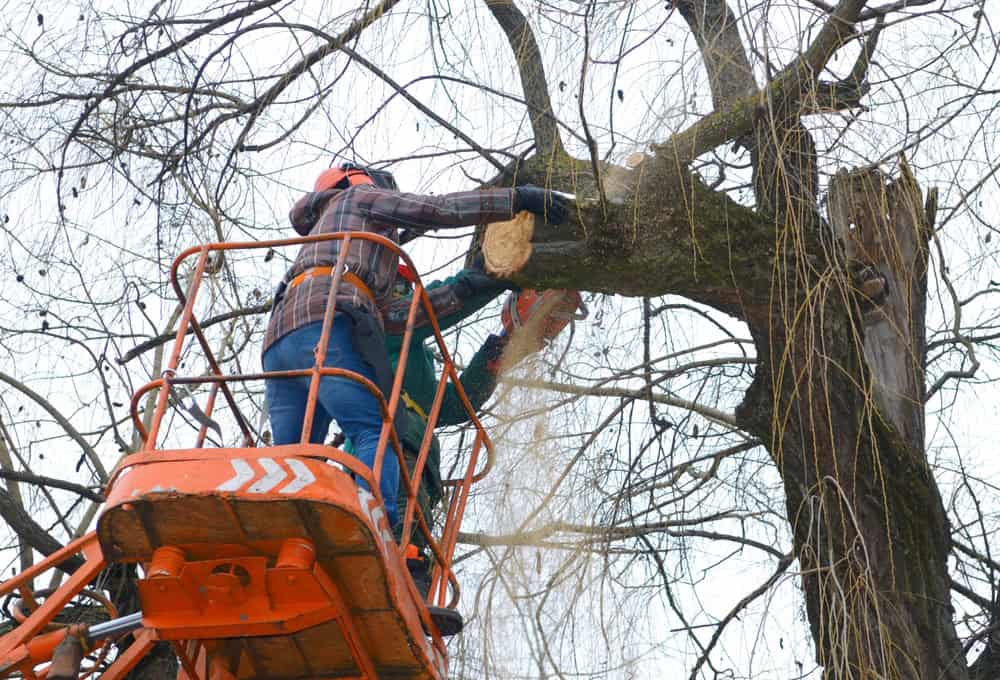
Two workers in safety gear trim branches of a tree using a chainsaw while standing on an orange hydraulic lift. The tree is bare, with no leaves, and the sky is overcast.

Tree Service Process Aquebogue

Here's How We Handle Your Trees

First, we come out and assess what you’re dealing with. Our arborist looks at tree health, identifies any safety concerns, and explains what needs to be done and why. No surprises, no upselling on services you don’t need.

If it’s emergency work, we prioritize safety and property protection. For routine maintenance, we schedule the work when it’s best for the trees and convenient for you. We bring professional equipment that gets the job done safely without tearing up your lawn or damaging nearby plants.

After the work is complete, we clean up everything. You shouldn’t have to deal with branches, debris, or wood chips scattered around your property. We leave your space cleaner than we found it, and we’ll answer any questions about caring for your remaining trees.
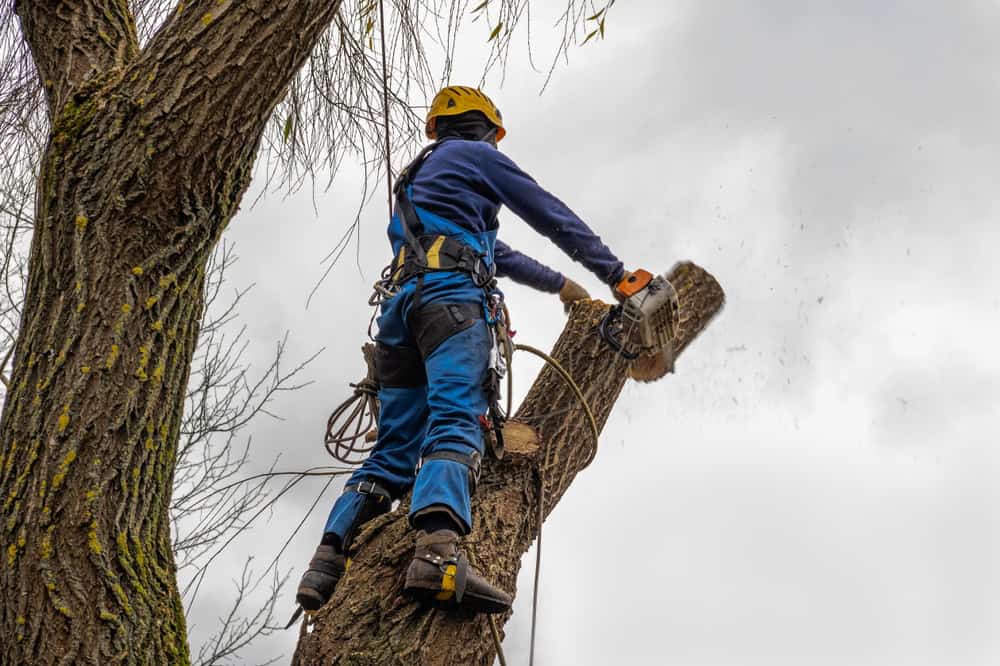
A person in safety gear is climbing a tree and using a chainsaw to cut a thick branch. The sky is overcast, and tree debris is visible in the air.

Ready to get started?

Explore More Services

About Long Island Best Tree Service

Get a Free Consultation

Complete Tree Care Services

Everything Your Trees Need

You get complete tree care, from emergency removal to routine maintenance. That includes dangerous tree removal, professional trimming and pruning, storm damage cleanup, and stump grinding. We also provide tree health assessments and disease treatment to save valuable mature trees.

Our emergency service means you can call us when storms hit and trees come down. We understand that tree emergencies don’t happen on a convenient schedule, especially during hurricane season or when nor’easters roll through Long Island.

For North Fork properties with fruit trees, we provide specialized pruning that improves production and tree health. We know the difference between ornamental tree care and agricultural tree management, and we adjust our approach based on what you’re trying to accomplish with your landscape.

A person wearing a black glove uses a green-handled lopper with orange grips to cut a branch from a tree against a clear blue sky.

How quickly can you respond to emergency tree situations?

We provide emergency tree service throughout Aquebogue and the North Fork, typically responding within hours for urgent situations involving property damage or safety hazards. During major storms, we prioritize calls based on safety risk – trees on houses, blocking roads, or threatening power lines get immediate attention. We keep emergency equipment ready during storm season because we know Long Island weather can change quickly. If you have a tree emergency, call us right away and we’ll let you know our current response time based on conditions and demand.
Tree trimming typically refers to cutting back overgrown branches for appearance and basic maintenance, while pruning is more precise work focused on tree health, structure, and growth patterns. Pruning involves removing specific branches to improve air circulation, eliminate disease, or direct growth away from structures. For fruit trees common on North Fork properties, proper pruning techniques can significantly improve production and tree longevity. Our certified arborists determine which approach your trees need based on species, age, health, and your goals for the landscape. Both services are important, but the timing and technique differ significantly.
Yes, we handle storm damage cleanup throughout Aquebogue and provide documentation that insurance companies require for claims processing. We photograph damage before and during cleanup, provide detailed estimates, and can work directly with your insurance adjuster when needed. Our priority during storm response is making your property safe – removing trees from structures, clearing driveways and walkways, and eliminating immediate hazards. We understand insurance claim requirements and provide the paperwork you need to get reimbursed for covered damage. Most homeowner policies cover tree removal when trees damage structures or block access.
Our certified arborists assess tree health by looking at several factors: structural integrity, disease presence, root system condition, and proximity to structures or power lines. Dead, dying, or severely diseased trees usually need removal, especially if they pose safety risks. However, many trees that look problematic can be saved with proper treatment, selective pruning, or cabling support. We always explore treatment options before recommending removal, particularly for mature trees that add significant value to your property. The decision depends on the specific tree species, extent of damage or disease, and potential risks to your property and family safety.
Tree service costs vary significantly based on tree size, location, complexity of the work, and urgency of the situation. Simple trimming might cost a few hundred dollars, while large tree removal near structures can cost several thousand. Emergency work typically costs more than scheduled maintenance. We provide free estimates that break down exactly what work needs to be done and why. Our pricing reflects the professional equipment, insurance coverage, and expertise required to do tree work safely. Trying to save money with uninsured or inexperienced tree services often costs more in the long run when property gets damaged or work needs to be redone.
The best timing depends on tree species and the type of work needed. Most deciduous trees are best pruned during dormant season (late fall through early spring) when you can see the branch structure clearly and trees aren’t actively growing. However, dead or dangerous branches should be removed immediately regardless of season. Fruit trees on North Fork properties have specific pruning windows that maximize production – usually late winter before buds break. Emergency work happens when it needs to happen, but planned maintenance gets better results when timed correctly. We’ll recommend the optimal timing for your specific trees and maintenance goals during our assessment.