Summary:
Signs Your Tree May Be a Hazard
A hazardous tree often displays clear signals of distress long before it fails. Inspect the canopy for large, dead branches, often called “widow-makers,” as they can break and fall without warning. Next, look for deep cracks or splits in the trunk. These fissures compromise the tree’s core strength, acting like a fracture in a bone that could fail under stress. A sudden or progressive lean, particularly if the ground is heaving on the opposite side, indicates potential root failure. Alas, the appearance of mushrooms or other fungal bodies on the trunk or near the base is a strong indicator of internal decay. Finally, after any significant storm, a professional assessment is needed to identify damage that may not be obvious from the ground but could lead to future failure.
The Role of an Arborist
An arborist functions much like a doctor for your trees, providing a level of diagnosis you cannot perform on your own. Using specialized knowledge, an arborist can identify weak branch attachments, known as co-dominant stems, that are prone to splitting. They can assess the extent of internal decay and recommend a course of action, whether it involves strategic tree trimming to reduce weight or a full hazardous tree removal to eliminate the threat. This professional evaluation provides a clear picture of the risk.
Why Tree Health Matters
An arborist functions much like a doctor for your trees, providing a level of diagnosis you cannot perform on your own. Using specialized knowledge, an arborist can identify weak branch attachments, known as co-dominant stems, that are prone to splitting. They can assess the extent of internal decay and recommend a course of action, whether it involves strategic tree trimming to reduce weight or a full hazardous tree removal to eliminate the threat. This professional evaluation provides a clear picture of the risk.
Professional Tree Services in Suffolk and Nassau County, NY
When you identify a potential problem, professional tree services offer the solution. For properties in Suffolk and Nassau County, a response can address anything from routine tree trimming to urgent situations. If a storm has left a tree unstable, an emergency team can be dispatched to stabilize or remove the immediate threat, preventing further storm damage. The work involves more than just cutting; it requires a plan for stump grinding, debris removal, and care for surrounding commercial or residential landscapes. Whether it is pruning to improve structure or full tree removal, the process is handled with systematic attention to your property’s safety.
The Importance of Regular Tree Maintenance
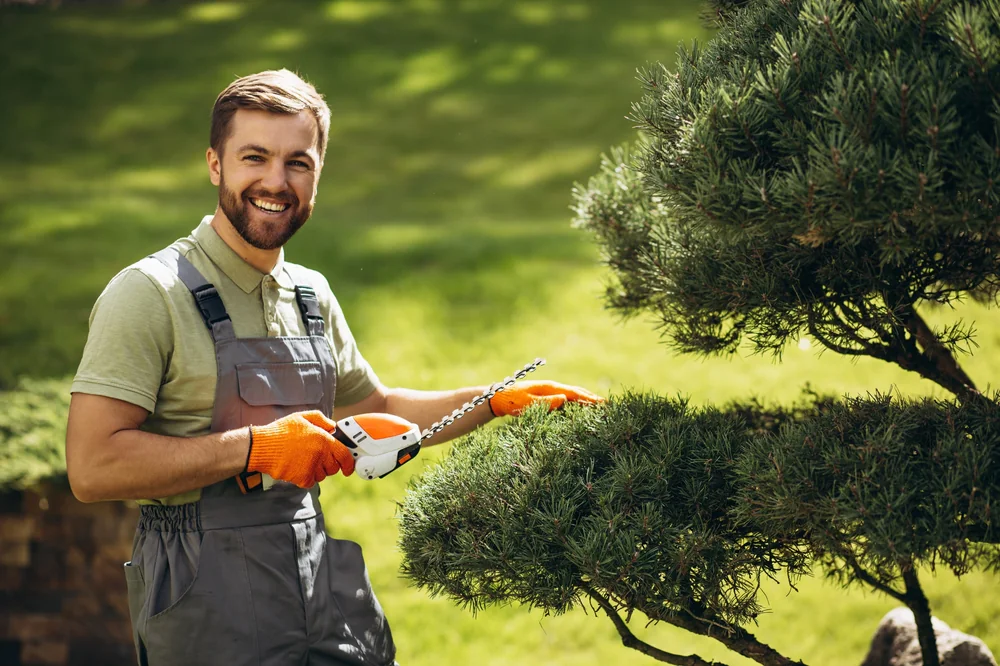
Proactive maintenance is your best defense against developing tree hazards. Scheduled tree trimming is not just about appearance; it is about managing the tree’s structure and load. A technique called crown cleaning involves the selective removal of dead, dying, or weakly attached branches from the canopy. This reduces the overall weight of the tree and allows wind to pass through more easily, lowering the risk of it being uprooted or snapping during a Long Island storm. By taking this preventative action, you can avoid the need for emergency tree service in the future.
When to Consider Hazardous Tree Removal
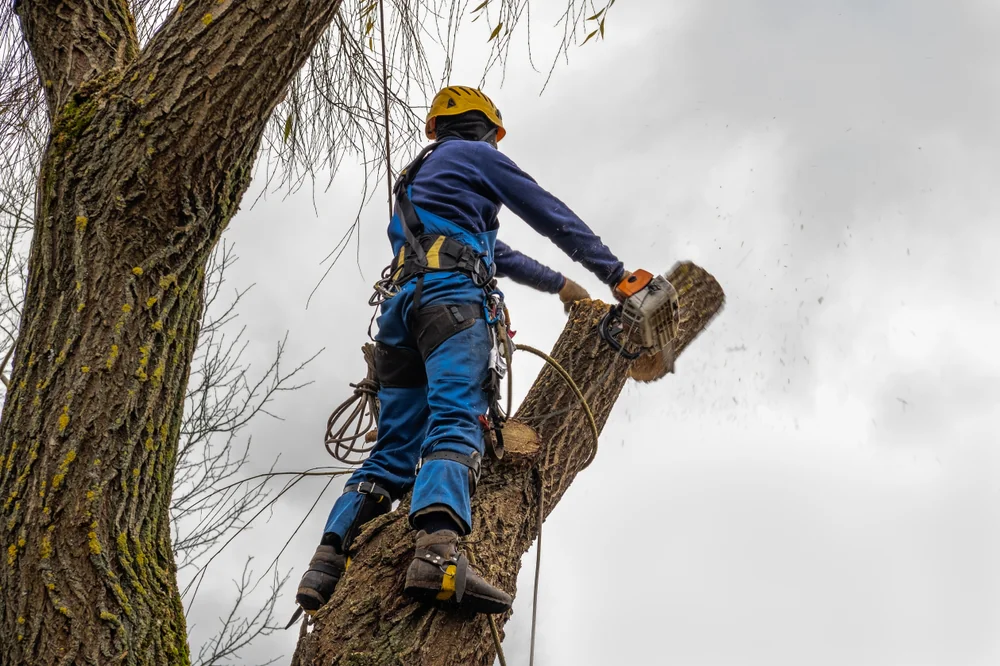
In some cases, a tree’s condition is beyond saving. If an arborist determines that more than 50% of the tree is damaged or it suffers from advanced internal decay, hazardous tree removal is often the only responsible option. A tree that is too close to your home, utility lines, or a neighbor’s property and shows signs of instability presents an unacceptable risk. Professional removal is a controlled process, using rigging and precise cutting to dismantle the tree in sections, which prevents the uncontrolled fall that could destroy property.
Protect Your Property with Professional Tree Care
Ultimately, recognizing the signs of hazardous trees is a fundamental part of responsible homeownership in Suffolk and Nassau County. The difference between a minor issue and a major catastrophe often comes down to timely action. For a detailed assessment of the trees on your property, Long Island Best Tree Service, Inc provides the necessary support. From tree trimming and pruning to complete tree removal, you can address risks before they become disasters. Contact them for an evaluation to keep your property and your family safe.