Summary:
Why Proactive Tree Care is Your First Line of Defense
Thinking about your trees only after a storm has hit is a reactive approach that often leads to emergency situations and expensive repairs. Proactive tree management identifies risks before they become liabilities. A tree with a dense, overgrown canopy acts like a ship’s sail, catching the full force of winds that can exceed 60 mph during a nor’easter. This immense pressure can snap branches or even uproot the entire tree, especially in the sandy loam soils found across Long Island. Regular inspections can spot signs of trouble, such as deadwood, cracked limbs, or fungal growth at the base, which indicate structural weaknesses. Addressing these issues systematically helps fortify your trees, turning a potential hazard into a resilient feature of your property. This approach helps you avoid the high costs associated with emergency tree service and property restoration.
Strategic Tree Trimming and Pruning Methods
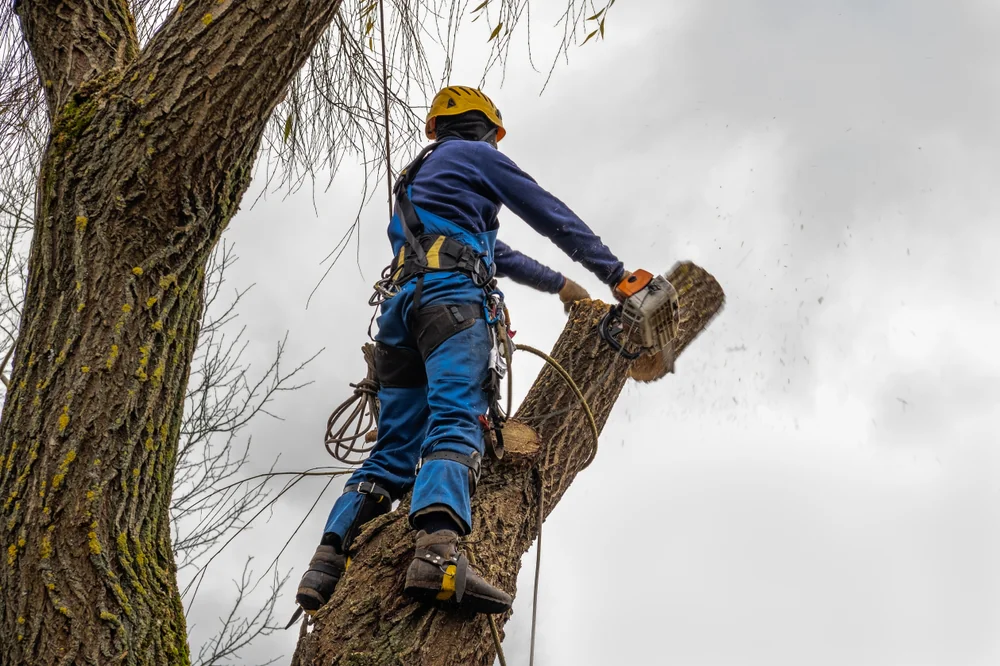
Not all trimming is the same. Effective storm preparation involves specific pruning techniques performed by a skilled arborist. Firstly, crown thinning is a process that selectively removes interior branches to reduce the density of the canopy. This allows wind to flow through the tree rather than push against it, decreasing the “sail effect” by as much as 30%. Secondly, crown raising removes lower branches to provide clearance for buildings and vehicles, preventing limbs from scraping against your roof or siding during high winds. These precise cuts are made at the branch collar, allowing the tree to heal properly and compartmentalize the wound, which prevents decay from setting in.
Recognizing a Hazardous Tree on Your Property
Not all trimming is the same. Effective storm preparation involves specific pruning techniques performed by a skilled arborist. Firstly, crown thinning is a process that selectively removes interior branches to reduce the density of the canopy. This allows wind to flow through the tree rather than push against it, decreasing the “sail effect” by as much as 30%. Secondly, crown raising removes lower branches to provide clearance for buildings and vehicles, preventing limbs from scraping against your roof or siding during high winds. These precise cuts are made at the branch collar, allowing the tree to heal properly and compartmentalize the wound, which prevents decay from setting in.
Preparing Your Landscape for Suffolk and Nassau County Storms
The weather patterns on Long Island demand a specific approach to tree readiness. The region is susceptible to fast-moving coastal storms, remnants of hurricanes, and powerful nor’easters that bring heavy rain and sustained high winds. Saturated soil from prolonged rain dramatically reduces a root system’s ability to anchor a tree, making it much more susceptible to being uprooted. A pre-storm assessment can determine which trees are most at risk due to their location, species, or condition. For instance, fast-growing trees like Silver Maples or Bradford Pears are known for having weaker wood that splits easily. Preparing your property may involve pruning vulnerable trees, or in some cases, complete commercial tree removal if a tree on a business property threatens public access or buildings.
The Technical Role of a Professional Arborist
An arborist brings scientific recognition to tree care. They are trained in tree biology, mechanics, and diagnostics. When assessing your trees, an arborist doesn’t just look for broken branches. They analyze the tree’s structure, looking for issues like co-dominant stems—two large branches that grow from the same point, creating a weak union prone to splitting. They may recommend installing support cables or bracing rods made of high-strength steel to add structural support to a valuable tree. This intervention, based on a biomechanics evaluation, can prevent limb failure and help you protect your trees from storm damage for years to come.
Long-Term Value of Consistent Tree Maintenance
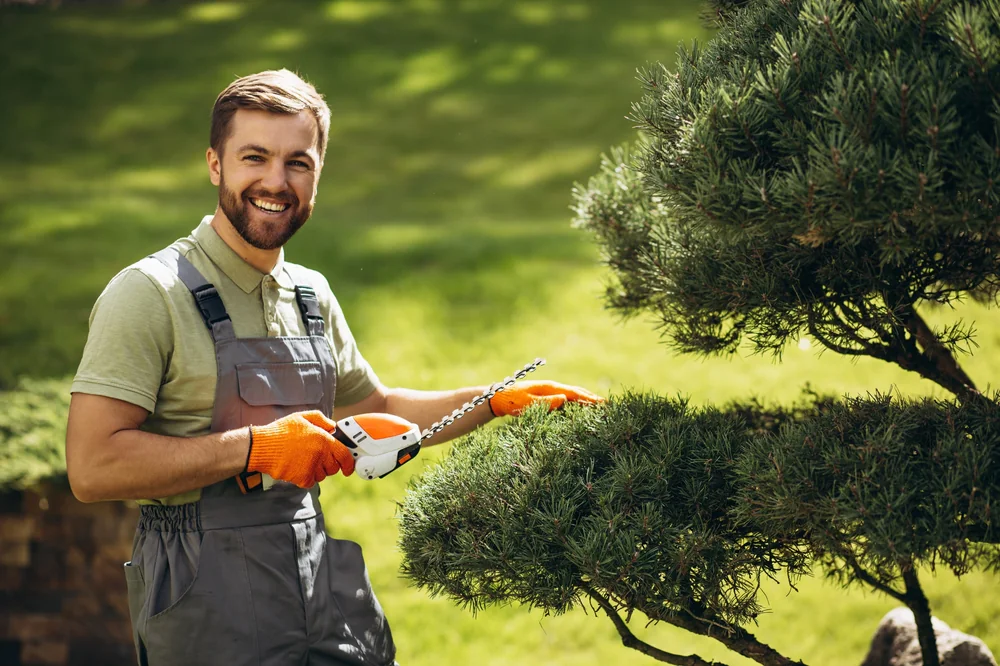
Consistent care creates a landscape that is not only attractive but also structurally sound. Annual or biennial pruning directs the tree’s growth, creating a stronger framework of branches over time. When a stump is left after a tree is removed, stump grinding breaks it down below the soil line. This process eliminates a tripping hazard and also prevents the stump from becoming a breeding ground for pests like termites or carpenter ants that could later move toward your home. Investing in a long-term tree management plan is a direct investment in your property’s value and safety, mitigating future problems before they begin.
Take Action to Protect Your Trees
To sum up, safeguarding your property from storm-related tree failure is an achievable goal. It begins with interpreting the risks and taking proactive steps through correct tree trimming, structural support, and, when needed, the removal of hazardous trees. By having a professional arborist assess your property in Suffolk or Nassau County, you can identify and address weaknesses before the next storm arrives. This preparation is the most reliable way to protect your trees from storm damage and avoid the considerable expense and disruption that come with a fallen tree. Contact us today to schedule an assessment and fortify your landscape.