Summary:
Recognizing Common Tree Diseases on Long Island
Detecting tree diseases before they cause irreversible damage allows for more effective intervention. In Suffolk and Nassau County, you should be watchful for a few prevalent issues. Firstly, Anthracnose, a fungal disease amplified by our wet spring weather, often appears on dogwoods and maples. It presents as irregular, dark blotches on leaves that can lead to defoliation and branch dieback. Secondly, Oak Wilt is a serious vascular disease that affects our oak populations. It disrupts water flow, causing leaves at the top of the tree to wilt and brown suddenly, a condition that can be terminal for red oaks in a single season. Lastly, Powdery Mildew looks like a white, chalky coating on leaves, particularly on lilacs and dogwoods, which blocks sunlight and weakens the plant. Spotting these symptoms is not just about aesthetics; it’s about preventing a small problem from escalating into a need for hazardous tree removal.
Your First Steps for Disease Management
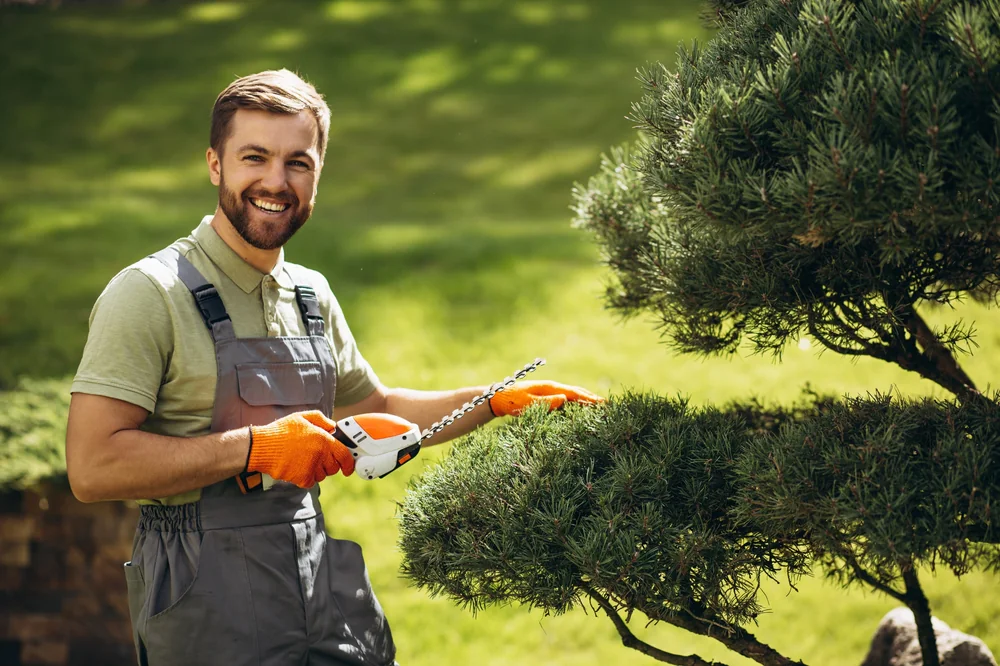
When you see symptoms of tree diseases, taking prompt action can limit the spread and severity. You can start with targeted tree pruning to remove visibly affected branches. Using clean, sharp tools to make precise cuts prevents tearing the bark, which would create new entry points for pathogens. Improving air circulation through strategic tree trimming is another key step. Thinning the canopy reduces humidity, depriving fungi like powdery mildew of the damp environment they need to thrive. Sometimes, this initial response can effectively stop a minor infection from progressing.
The Role of a Professional Arborist
When you see symptoms of tree diseases, taking prompt action can limit the spread and severity. You can start with targeted tree pruning to remove visibly affected branches. Using clean, sharp tools to make precise cuts prevents tearing the bark, which would create new entry points for pathogens. Improving air circulation through strategic tree trimming is another key step. Thinning the canopy reduces humidity, depriving fungi like powdery mildew of the damp environment they need to thrive. Sometimes, this initial response can effectively stop a minor infection from progressing.
Preventative Measures for Lasting Tree Health
The most effective way to combat tree diseases is to prevent them from taking hold. A proactive tree care plan is your best strategy. This approach involves more than occasional trimming; it includes regular inspections to catch issues early and soil management to give your trees the nutrients they need to build natural defenses. For instance, proper mulching around the base of a tree helps retain soil moisture and regulate temperature, reducing stress that makes trees susceptible to attack. An arborist can develop a plan for your specific trees and property conditions in Suffolk or Nassau County, creating a landscape that is resilient against future threats.
Why Stump Grinding is a Health Measure
After a tree is removed, the leftover stump is more than just an inconvenience. Stumps from diseased trees can act as a reservoir for pathogens like fungi and pests such as termites. These problems can easily spread through the soil and root systems to your healthy trees. Stump grinding addresses such issues by mechanically shredding the stump and major roots down to 8-12 inches below the surface. This process eliminates the decaying wood that harbors these threats, effectively sanitizing the area and protecting the rest of your landscape from infection.
Managing Storm Damage and Emergency Needs
Long Island’s coastal storms can severely stress and damage trees, creating openings for opportunistic tree diseases. Check your trees for broken limbs, trunk cracks, or leaning after a storm. These signs indicate that the tree’s stability may be compromised, creating an immediate hazard. An emergency tree service is needed to safely address these issues. Long Island Best Tree Service , Inc. provides quick removal of trees damaged by storms, securing your property and preventing a weakened tree from becoming a bigger problem later on.
Protect Your Landscape with Diligent Tree Care
In summary, being vigilant about identifying and managing tree diseases is fundamental to preserving the health and safety of your landscape in Suffolk and Nassau County. By recognizing early symptoms, taking initial management steps, and adopting a preventative care strategy, you can protect your valuable trees. When a problem exceeds simple pruning, the knowledge of a professional arborist is invaluable. For optimal tree care, including diagnosis, tree removal, and emergency services, contact Long Island Best Tree Service, Inc. to keep your trees healthy and strong.