Summary:
The Purpose Behind Pruning, Trimming, and Removal
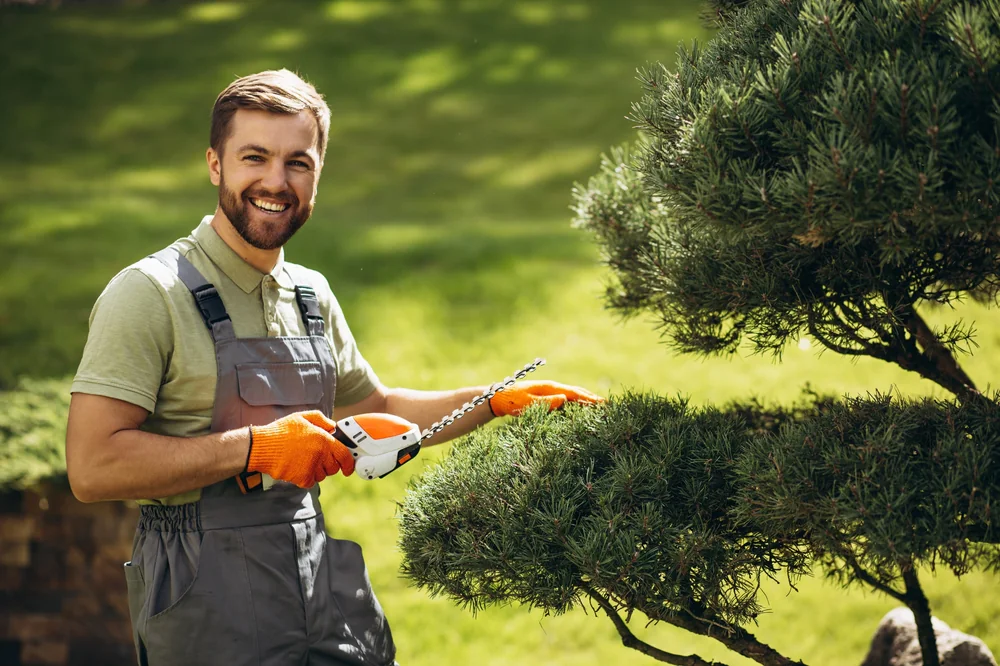
Tree care involves specific actions for distinct outcomes. Firstly, tree pruning is a health-focused procedure. It involves the selective removal of dead, diseased, or damaged limbs to help the tree fight off infections and direct its resources toward healthy growth. Think of it as a necessary surgery for the tree’s long-term survival. Secondly, tree trimming is about managing a tree’s shape and size. This is done to clear branches away from your home, power lines, or walkways, preventing overgrowth from becoming a problem. Finally, tree removal is the complete take-down of a tree. This action is reserved for trees that are dead, dying, or pose a direct threat to people or property that cannot be lessened through pruning or trimming. Each service addresses a different need for your landscape.
When is Tree Pruning the Right Action?
Tree pruning is the correct action when your goal is to improve the tree’s physical condition. You should consider pruning if you notice dead branches, limbs with discolored leaves while the rest of the tree is healthy, or cracked branches. Pruning is often performed according to ANSI A300 standards, which dictate the best practices for cuts that allow the tree to heal properly. For example, a proper collar cut is made just outside the branch collar, allowing the tree to form a natural seal over the wound. This process helps prevent decay from entering the trunk and promotes vigorous, healthy growth in the following season.
The Value of Proper Tree Trimming
Tree pruning is the correct action when your goal is to improve the tree’s physical condition. You should consider pruning if you notice dead branches, limbs with discolored leaves while the rest of the tree is healthy, or cracked branches. Pruning is often performed according to ANSI A300 standards, which dictate the best practices for cuts that allow the tree to heal properly. For example, a proper collar cut is made just outside the branch collar, allowing the tree to form a natural seal over the wound. This process helps prevent decay from entering the trunk and promotes vigorous, healthy growth in the following season.
Identifying When Tree Removal is Unavoidable
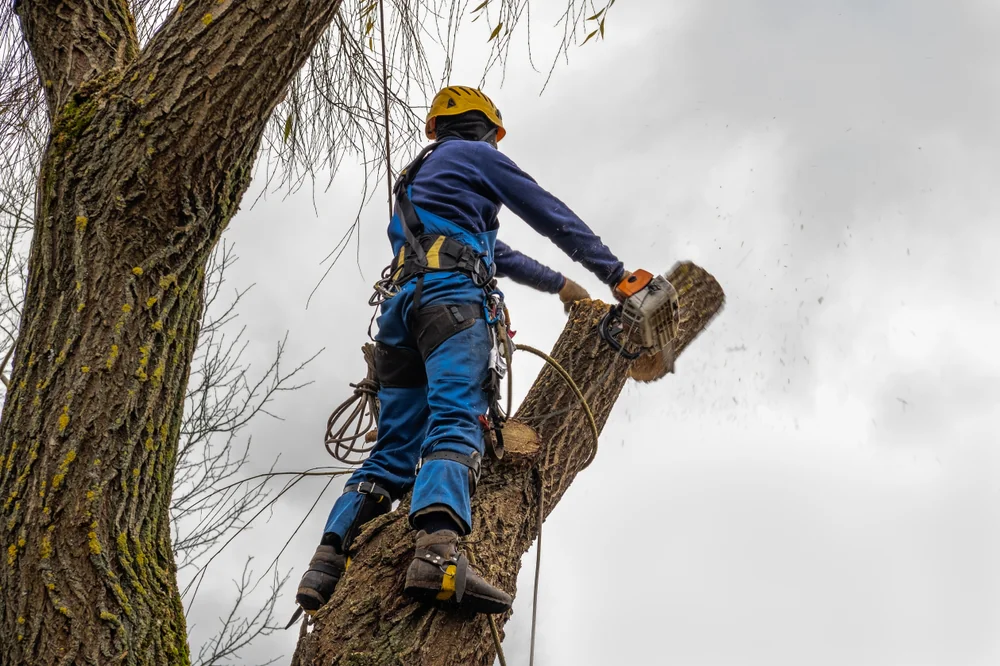
Tree removal is the only option when a tree has become a liability. If more than 50% of a tree is dead or damaged, pruning may not be sufficient to rectify the condition. Other warning signs include deep cracks in the trunk, a hollow trunk, or the growth of mushrooms and other fungi on the bark or at the base, which can indicate internal rot. A sudden lean also suggests root failure. In these situations, the tree’s structural stability is compromised, and it poses a risk to your home and family. The methodical approach to safely bring the tree down without incident involves a controlled, section-by-section removal using rigging ropes and specialized equipment.
What Happens After Removal: The Role of Stump Grinding
Removing a tree leaves you with a stump. A stump is not just an obstacle for your lawn mower; it can also attract pests like termites and carpenter ants, which may then migrate to your home. Stump grinding resolves this issue by using a machine with a rotating carbide-toothed wheel to shred the stump into small wood chips. The process typically grinds the stump down 8 to 12 inches below the soil surface, destroying the main root ball and preventing the stump from sprouting new growth. This technique leaves you with a level area ready for new grass or landscaping.
Consulting an Arborist for an Assessment
An arborist is a specialist in the science of tree care. You might consult one when you are unsure about a tree’s condition. They can identify subtle signs of disease or pest infestations that are not obvious to the untrained eye. For instance, an arborist can diagnose issues like soil compaction affecting the roots or spot the early stages of an insect problem. Their assessment provides a clear path forward, helping you distinguish between a tree that just needs corrective pruning and one that is a genuine liability. This evaluation provides you the information needed to make a sound decision about your property.
Making Informed Decisions for Your Trees
By recognizing the distinct purposes of pruning, trimming, and removal, you are better equipped to manage the trees on your property. Pruning supports health, trimming manages growth, and removal eliminates hazards. Taking a proactive approach to tree care protects your property from storm damage and helps your landscape flourish. If you have concerns about the trees on your property in Suffolk or Nassau Counties, don’t wait for a problem to worsen. Contact Long Island Best Tree Service, Inc. today to schedule an assessment and determine the right course of action.