Summary:
Winter Weather Impact on Long Island Trees
Winter hits Long Island trees harder than most people expect. The combination of nor’easters, ice storms, and freeze-thaw cycles creates a perfect storm of potential damage that can show up immediately or months later.
Ice accumulation weighs down branches beyond their breaking point. A quarter-inch of ice can add 500 pounds to a large tree branch. When you add wind gusts of 40-60 mph that regularly accompany Long Island winter storms, even healthy trees can suffer significant damage.
The freeze-thaw cycle that’s common here creates another hidden problem. Water expands when it freezes, and repeated freezing and thawing in bark crevices can create wounds that invite disease and pests once warmer weather arrives.
Storm Damage Prevention and Winter Tree Care
Smart winter preparation starts before the first storm warning appears on your weather app. The most effective approach combines strategic pruning during dormancy with ongoing monitoring throughout the cold months.
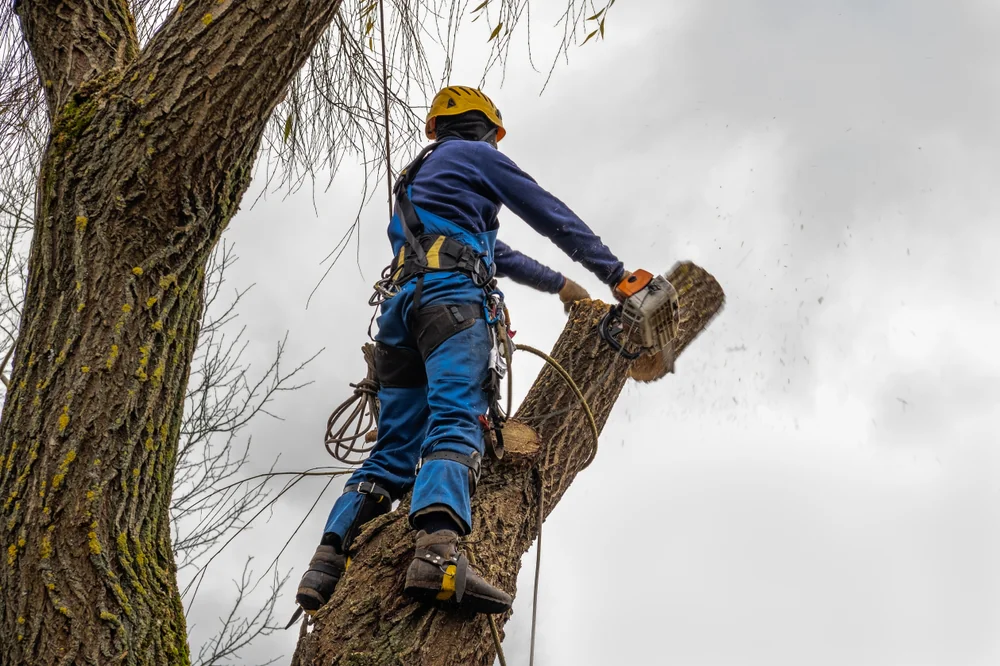
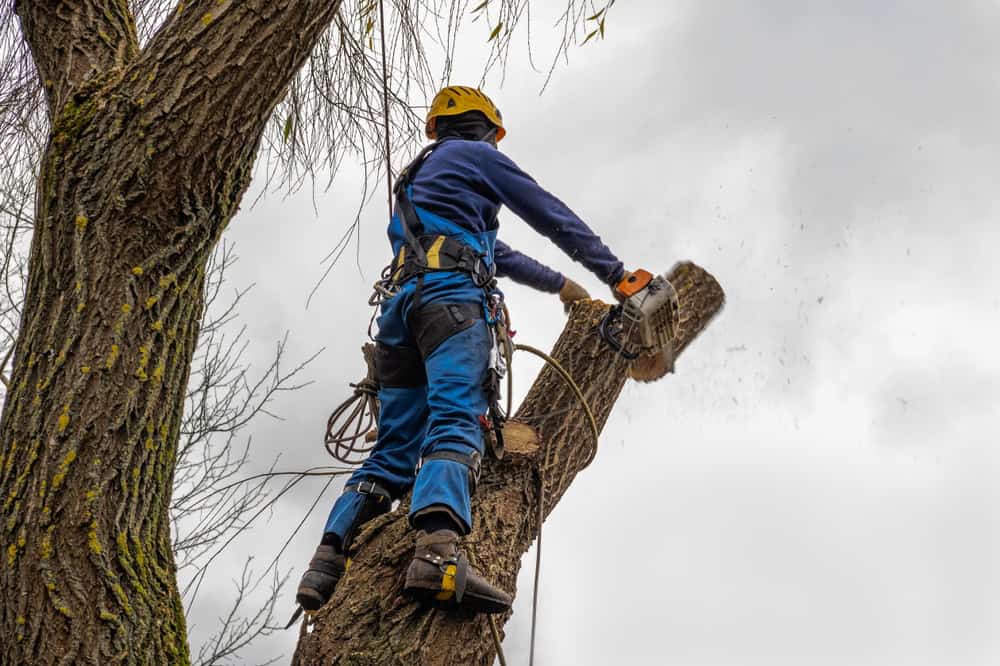
Dormant season pruning, typically from December through February, removes weak, damaged, or poorly attached branches before they become projectiles. Trees pruned during dormancy experience less stress because they’re not actively growing. The wounds heal better, and there’s minimal sap loss that can attract insects or create entry points for disease.
We can identify structural weaknesses that aren’t obvious to untrained eyes. Codominant stems, where two main trunks compete for dominance, create weak points that often fail during storms. V-shaped branch attachments are weaker than U-shaped ones. These issues can be corrected through proper pruning techniques when identified early.
Winter watering shouldn’t be overlooked during dry spells. Evergreens continue losing moisture through their needles even in cold weather, and frozen ground prevents roots from accessing water. A thorough watering before the ground freezes hard helps trees maintain moisture reserves through winter.
After storms, resist the urge to immediately clean up minor damage. Wait until conditions are safe, and avoid shaking snow off branches, which can cause more breakage than the snow itself. Professional assessment after major storms helps identify damage that might not be immediately visible but could create hazards later.
Freeze-Thaw Damage and Recovery Strategies
Long Island’s variable winter temperatures create unique challenges through repeated freeze-thaw cycles. Unlike areas with consistently cold winters, our trees must constantly adapt to temperature swings that can range 40 degrees in a single day.
Frost cracks appear as vertical splits in tree bark, typically on the south-facing side where temperature fluctuations are most extreme. These wounds rarely heal completely and create permanent weak points. Young trees and thin-barked species like maples are particularly susceptible. Tree wraps applied in late fall can prevent frost cracking, but they must be removed each spring to prevent girdling.
Root damage from freeze-thaw cycles often goes unnoticed until spring when trees fail to leaf out properly or show signs of stress. Soil that repeatedly freezes and thaws can damage fine feeder roots, reducing the tree’s ability to absorb water and nutrients. Mulching around trees before winter provides insulation that moderates soil temperature fluctuations.
Late winter storms pose special risks when trees are beginning to break dormancy. Sap flow has started, making trees more susceptible to bleeding from wounds. Ice storms during this transition period can be particularly devastating because trees haven’t fully hardened off for winter conditions but aren’t yet prepared for spring growth.
Recovery from freeze-thaw damage requires patience and proper care. Avoid fertilizing damaged trees in spring, as this forces new growth that stressed trees can’t support. Instead, focus on maintaining consistent soil moisture and removing any obviously damaged wood. Many trees can recover from significant freeze-thaw damage if given proper care and time.
Spring and Summer Seasonal Challenges
Spring brings renewed growth but also awakens the pest and disease problems that winter held in check. The timing of spring care activities can make the difference between a healthy growing season and months of struggling with preventable problems.
Early spring inspection reveals winter damage that needs attention before active growth begins. Look for loose bark, split branches, and signs of pest activity like small holes or sawdust around the base of trees. This is also when many tree diseases become active, taking advantage of stress from winter damage.
Summer heat stress affects trees differently depending on species, age, and growing conditions. Newly planted trees are particularly vulnerable because their root systems haven’t established enough to support the tree through drought periods.
Pest Management Through Seasonal Timing
Long Island’s pest problems follow predictable seasonal patterns, and successful management depends on understanding these cycles. The emerald ash borer, discovered in Suffolk County in 2018, exemplifies how invasive pests can devastate unprepared trees.
Spring emergence of overwintering pests coincides with new growth, when trees are most vulnerable. Scale insects, aphids, and spider mites become active as temperatures warm, often before beneficial predators emerge. Early detection and treatment prevent minor infestations from becoming major problems.
The spotted lanternfly, now established in our area, demonstrates how new invasive species can quickly become serious threats. These pests feed on tree sap, causing significant stress that can weaken trees and make them susceptible to other problems. Their feeding damage leads to sooty mold growth that blocks sunlight and further stresses trees.
Preventive treatments applied at the right time are more effective and less expensive than reactive treatments after damage occurs. Systemic insecticides applied in early spring protect trees throughout the growing season. Dormant oil applications in late winter smother overwintering pest eggs before they hatch.
Integrated pest management combines multiple strategies for long-term success. Encouraging beneficial insects through diverse plantings, maintaining tree health through proper care, and using targeted treatments only when necessary creates a sustainable approach to pest management that works with natural systems rather than against them.
Heat Stress and Drought Management
Long Island’s summer heat and humidity create conditions that stress trees in ways that aren’t immediately obvious. Heat stress symptoms often don’t appear until late summer or even the following spring, making prevention crucial.
Deep, infrequent watering encourages deep root growth that helps trees access moisture during dry periods. Shallow, frequent watering creates surface roots that are vulnerable to heat and drought. The goal is to wet the soil to a depth of 12-18 inches in the root zone, which extends well beyond the drip line for mature trees.
Mulching provides multiple benefits during hot weather. A 2-4 inch layer of organic mulch moderates soil temperature, retains moisture, and suppresses weeds that compete for water. Keep mulch several inches away from tree trunks to prevent pest and disease problems.
Pruning during hot weather should be limited to removing dead, damaged, or hazardous branches. Heavy pruning stimulates new growth that requires additional water and is more susceptible to heat stress. Save major pruning for dormant season when trees can recover without the added stress of summer heat.
Newly planted trees require special attention during their first few summers. Their limited root systems can’t access deep soil moisture, making them entirely dependent on irrigation during dry periods. Even drought-tolerant species need consistent water until established, which typically takes 2-3 years for most trees.
Signs of heat stress include wilting during the hottest part of the day (normal), wilting that persists into evening (concerning), and premature leaf drop or browning. Trees showing these symptoms need immediate attention to prevent permanent damage or death.
Year-Round Tree Health Strategy for Long Island
Successful tree care on Long Island requires understanding that each season builds on the previous one. Winter damage affects spring growth, spring pest problems influence summer health, and summer stress determines how well trees prepare for winter.
The most effective approach combines proactive seasonal care with responsive management when problems arise. Regular monitoring helps catch issues early when they’re easier and less expensive to address. Professional assessment at least annually, and after major storms, ensures problems don’t go unnoticed until they become emergencies.
Your trees are significant investments that provide decades of benefits when properly cared for. Understanding how seasonal weather affects their health helps you protect that investment and enjoy the beauty, shade, and value they provide. When you need professional expertise for complex tree care decisions, we bring the knowledge and experience to keep your trees healthy through every season.