Summary:
How We Respond to Storm Damage Emergencies
Our storm damage tree removal services are designed to promptly address immediate danger posed by fallen or severely damaged trees, prioritizing safety and working diligently to clear potentially hazardous situations. We prioritize emergency situations and aim to respond the same day or within 24 hours for storm damage cleanup, as quick response is crucial to minimizing risks and property damage.
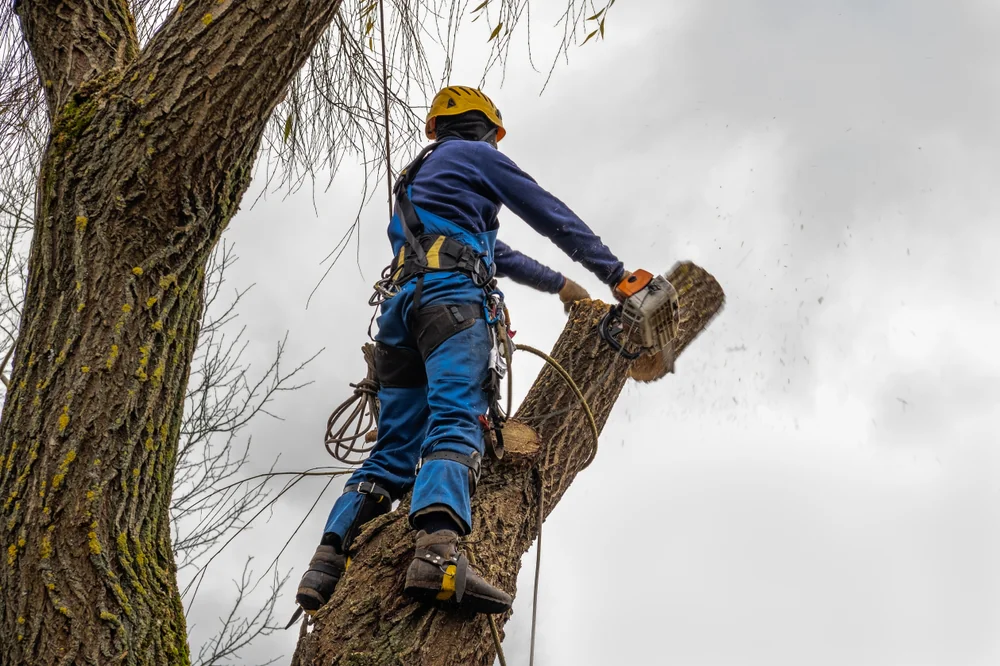
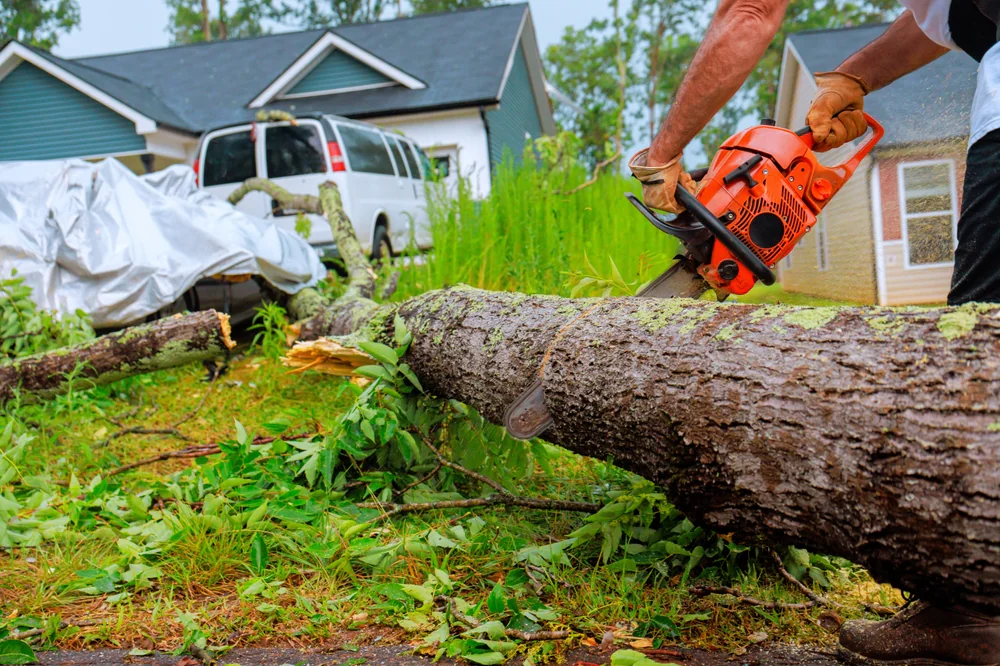
Our process starts with a thorough assessment of the situation, carefully evaluating the extent of damage and identifying immediate risks, then proceeding to remove trees or branches safely and efficiently with state-of-the-art equipment while minimizing further property damage.
Emergency Assessment and Safety Protocols We Follow
We know that storm-damaged trees can be unstable, so we avoid touching or moving limbs, especially near structures or power lines, and keep everyone away from the area. Our first step is always assessing site safety by checking for downed power lines, examining tree canopies for large broken limbs that could fall, and identifying broken, bent and twisted limbs under tension that may unexpectedly spring back.
Our certified arborists assess damaged trees to determine whether broken trunks and limbs can be saved or should be removed, letting property owners know if damage is serious enough for removal or if trees simply need pruning. This professional evaluation is critical because a tree’s integrity and stability change over time, and trees can become unstable and subject to falling even if they’ve survived previous storms.
Our certified crews provide more than just cutting and hauling – we assess structural and safety risks before starting work and use specialized equipment to control falling limbs. Property owners should never attempt to remove tree debris themselves after storms, as it’s extremely dangerous for themselves and those around them – trained professionals should always handle this type of work.
Professional Equipment and Removal Techniques We Use for Storm Damage
We know that storm-damaged trees can be unstable, so we avoid touching or moving limbs, especially near structures or power lines, and keep everyone away from the area. Our first step is always assessing site safety by checking for downed power lines, examining tree canopies for large broken limbs that could fall, and identifying broken, bent and twisted limbs under tension that may unexpectedly spring back.
Our certified arborists assess damaged trees to determine whether broken trunks and limbs can be saved or should be removed, letting property owners know if damage is serious enough for removal or if trees simply need pruning. This professional evaluation is critical because a tree’s integrity and stability change over time, and trees can become unstable and subject to falling even if they’ve survived previous storms.
Our certified crews provide more than just cutting and hauling – we assess structural and safety risks before starting work and use specialized equipment to control falling limbs. Property owners should never attempt to remove tree debris themselves after storms, as it’s extremely dangerous for themselves and those around them – trained professionals should always handle this type of work.
What You Should Do Immediately After Storm Damage to Trees
If a tree has fallen on your home, is blocking the road, or is tangled in electrical lines, call 911 first, as emergency crews may need to secure the area before cleanup begins. Document the damage by taking clear photos and videos from different angles. Take lots of pictures and immediately protect other items from damage by putting tarps over structures to prevent further water damage.
Contact your insurance company to begin the claim process, as they should tell you whether you can do removal yourself or if they want a tree removal company.
Safety Steps to Take Before Professional Help Arrives
Before starting any storm damage cleanup, always be cautious of hidden or downed power lines, treat all wires as dangerous until confirmed safe, stay far away, assume the line is live, and call the power company immediately without attempting to move or go near debris. If you own a tree that you think is at high risk of falling, move yourself and anyone else out of range of the tree and contact professionals immediately, or call 911 if the high-risk tree is on public land.
Even if your trees don’t look damaged after a severe storm, you must protect yourself and your property by calling a certified arborist representative who will inspect trees for underlying damages that may cause problems later. Most people think about accidents occurring during storms, but many accidents happen after storms as a result of DIY tree repair attempts – trees can shift and roll unexpectedly when cuts are made, suddenly falling on structures or people.
If you attempt work yourself, you put yourself at risk of injury, and running a chainsaw over your head is extremely dangerous. You should only remove branches yourself if they are small, detached, and not near structures or wires. The risk simply isn’t worth it – when it comes to assessing and taking action on potentially hazardous trees, you don’t want to leave the work to just anyone.
Working with Insurance and Understanding Coverage for Storm Damage
In many cases, homeowners insurance may help cover debris removal, especially if it poses a hazard, and professional services can provide detailed invoices to assist with insurance claims. Insurance companies will pay for removal and cleanup of trees that actually hit buildings, with estimates typically around $1,000 for cleanup of multiple trees plus additional costs for property damage.
If a tree falls on your property after a storm, contact your home insurance provider who will assess the damage and hire a tree removal service for you, also paying for repairs on damage caused to your home by the tree or storm. However, insurance probably will not cover removal of a limb that is hanging and has potential to cause damage but hasn’t yet, as insurance generally only covers damage that’s already happened, so contact your insurance provider directly for your specific situation.
If your property was damaged, contact your insurance provider after documenting the scene. In emergency situations, most municipalities allow immediate removal for safety reasons, though for non-urgent work, check with local guidelines. We understand these insurance processes and can help navigate the paperwork while focusing on getting your property safe again.
Getting Professional Storm Damage Tree Service Help in Long Island
When extreme weather hits Long Island, the damage can be overwhelming, but our prompt and reliable storm damage cleanup services help restore your property quickly and safely through emergency tree removal, debris clearing, and full-scale yard restoration. We can deal with all sorts of storm damage to trees, with our primary purpose being keeping your family safe.
Remember that storm damage response isn’t just about cleanup – it’s about protecting what matters most to you. Your safety and satisfaction should be our highest priorities, so don’t take chances when it comes to tree-related emergencies and trust skilled arborists to handle the situation while ensuring the safety of your property and loved ones in times of crisis. When severe weather strikes Nassau or Suffolk County, Long Island Best Tree Service stands ready to help restore safety and order to your property with the experience and commitment you need during challenging times.