Summary:
How Tree Trimming Removes Disease and Prevents Spread
Dead and diseased branches are like open wounds on your trees. They invite pests, harbor fungal infections, and waste precious energy your tree could use for healthy growth. When we remove these problem areas, we’re performing surgery that saves the patient.
The process works through what we professionals call compartmentalization. Trees naturally wall off injured areas to prevent decay from spreading. Strategic trimming helps this process by removing infected wood before disease reaches healthy tissue. This is especially critical on Long Island, where humidity and coastal conditions create perfect breeding grounds for tree diseases.
Professional trimming also improves air circulation throughout the canopy. Better airflow reduces moisture buildup that fungi love, creating an environment where your trees can resist future infections naturally.
Why Proper Cuts Heal Faster and Stronger
Not all cuts are created equal. The difference between professional trimming and amateur hacking determines whether your tree heals properly or becomes vulnerable to more problems.
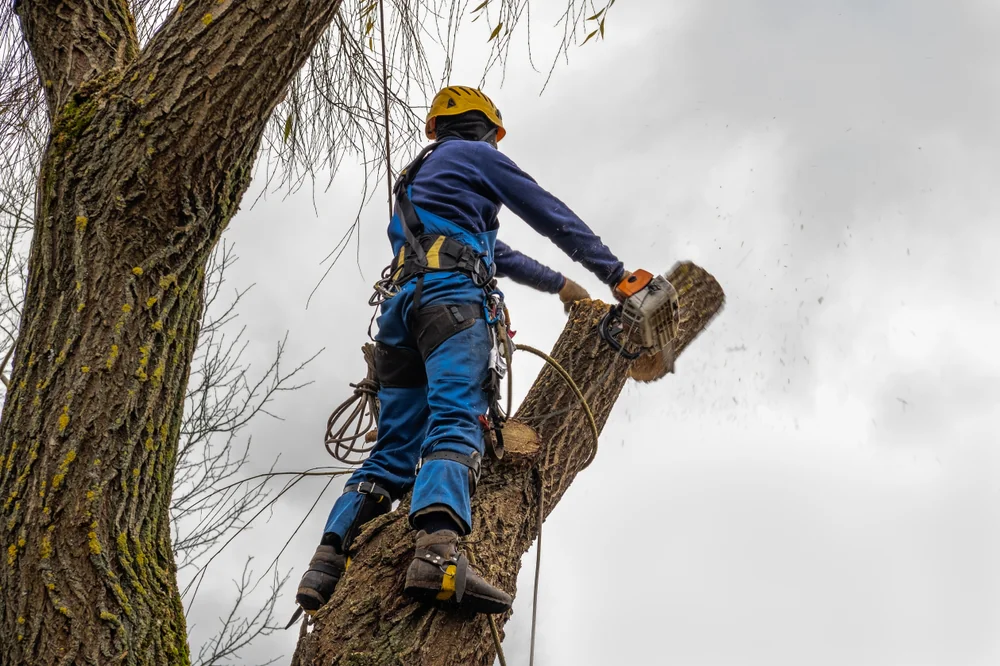
We make cuts at specific angles and locations that work with your tree’s natural healing process. We cut just outside the branch collar—the swollen area where the branch meets the trunk. This technique allows the tree to seal the wound efficiently, preventing water infiltration and pest entry.
Poor cuts, like flush cuts or stubs, disrupt this healing process. Flush cuts remove the protective collar tissue, while stubs leave dying wood that invites decay. These mistakes often cost more in long-term tree health than our initial professional service would have.
The timing of cuts matters too. On Long Island, late fall through early spring provides the best healing conditions. Trees are dormant, sap flow is minimal, and disease pressure is lowest. This timing gives your trees the entire growing season to strengthen their defenses.
Professional tools make a difference as well. Sharp, clean equipment creates smooth cuts that heal quickly. Dull or contaminated tools tear bark and can transfer diseases between trees. This is why we sanitize our equipment between jobs and maintain razor-sharp cutting edges.
How Strategic Trimming Redirects Energy for Better Growth
Think of your tree’s energy like a household budget. Every dollar spent on one thing can’t be spent on another. When trees waste energy trying to heal damaged branches or support weak limbs, they have less available for healthy growth, root development, and disease resistance.
Strategic trimming eliminates these energy drains. By removing dead, diseased, and poorly positioned branches, we free up resources your tree can redirect toward productive growth. The results often surprise homeowners—more vibrant foliage, better fruit production, and stronger overall structure.
This energy redirection is particularly important for young trees. Proper pruning during early years shapes growth patterns that last for decades. Well-trimmed young trees develop strong central leaders and well-spaced branches that can support heavy snow loads and resist wind damage.
For mature trees, strategic trimming maintains this structural integrity. Removing competing leaders, crossing branches, and weak attachments prevents future failures. This proactive approach keeps your trees healthy and reduces the risk of storm damage that could threaten your property.
The process also improves photosynthesis efficiency. Thinning dense canopies allows sunlight to reach inner branches and leaves. More light means more energy production, which translates to better overall tree health. This is especially valuable for Long Island’s native oaks and maples, which can develop very dense crowns without proper management.
Regular trimming creates a positive feedback loop. Healthier trees are more resistant to pests and diseases, which means fewer problems requiring intervention. This preventive approach saves money over time while maintaining the trees that add value to your property.
When and How Often Should Trees Be Trimmed for Maximum Health
Timing isn’t everything in tree care, but it’s close. The wrong timing can stress trees, invite disease, or waste your investment. On Long Island, seasonal patterns and local conditions create specific windows when trimming provides maximum benefit with minimal risk.
Most deciduous trees benefit from dormant season trimming—late fall through early spring. During this period, trees have stored energy in their roots and aren’t actively growing. Cuts heal with less stress, and disease pressure is naturally lower. This timing also provides better visibility of branch structure without leaves obscuring problem areas.
However, different species have different needs. Oak trees, common throughout Long Island, should avoid trimming during spring and early summer when oak wilt disease is most active. Maples can “bleed” sap heavily if trimmed in late winter, though this rarely causes permanent harm.
Signs Your Trees Need Professional Attention Now
Some tree problems can’t wait for optimal timing. Learning to recognize urgent signs helps you protect your property and preserve tree health before minor issues become major expenses.
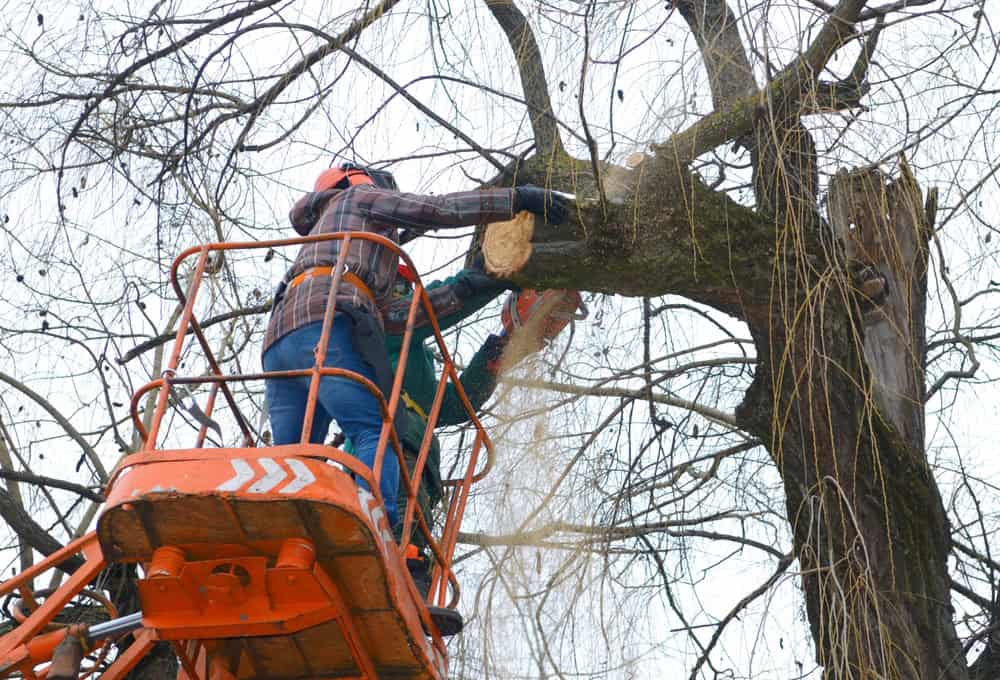
Dead branches are the most obvious red flag. These create immediate safety hazards and provide entry points for pests and diseases. Storm-damaged limbs, even if still hanging, often need immediate removal to prevent further injury to the tree or surrounding property.
Look for signs of disease like unusual leaf discoloration, premature leaf drop, or fungal growth on bark. Crossing or rubbing branches create wounds that invite problems. Branches growing toward the center of the tree or at sharp angles often indicate structural weaknesses that will worsen over time.
Water sprouts and suckers—the fast-growing shoots that appear on trunks and branches—signal stress and should be removed promptly. These growth patterns typically develop after improper pruning, storm damage, or environmental stress. While they might seem like vigorous growth, they actually weaken the tree’s structure.
Pay attention to changes in your tree’s overall appearance. Thinning canopies, smaller leaves, or reduced growth can indicate underlying health problems that professional assessment can identify and address. Early intervention often prevents the need for tree removal while preserving your landscape investment.
For Long Island homeowners, coastal conditions create additional concerns. Salt spray damage, wind exposure, and sandy soils can stress trees in ways that aren’t immediately obvious. Regular professional evaluation helps identify these regional challenges before they compromise tree health.
Creating a Long-Term Tree Health Strategy
The healthiest trees on Long Island aren’t accidents—they’re the result of consistent, professional care that addresses both immediate needs and long-term goals. Developing a comprehensive tree health strategy protects your investment while maximizing the benefits trees provide to your property.
Start with a professional assessment of your current trees. We can identify species-specific needs, evaluate structural integrity, and recommend timing for various interventions. This baseline evaluation becomes the foundation for ongoing care decisions.
Most mature trees benefit from professional evaluation every 2-3 years, with trimming as needed based on growth patterns and health status. Young trees often need annual attention during their first decade to establish proper structure. Fast-growing species may require more frequent intervention than slow-growing varieties.
Consider your property’s specific conditions when planning tree care. Trees near power lines need regular clearance trimming. Specimens in high-wind areas benefit from structural pruning that reduces wind resistance. Trees in salt-exposed locations may need more frequent health monitoring and protective treatments.
Document your tree care activities and observations. Photos showing tree condition over time help identify gradual changes that might otherwise go unnoticed. Keep records of professional services, including what was done and when. This information helps us understand your trees’ history and make better care decisions.
Budget for preventive care rather than waiting for emergency situations. Regular trimming and health maintenance cost significantly less than emergency tree removal or property damage repairs. We offer maintenance programs that spread costs over time while ensuring consistent care.
Remember that tree care is an investment in your property’s future. Well-maintained trees increase property values, reduce energy costs through shading, and create the mature landscape that makes Long Island neighborhoods so desirable. Professional trimming is the foundation that makes these benefits possible.
Professional Tree Trimming: Your Investment in Long Island's Future
Tree trimming isn’t just maintenance—it’s preventive medicine for your landscape. When done professionally and strategically, it transforms potential problems into long-term assets. Your trees will resist storms better, live longer, and continue adding value to your Long Island property for decades.
The science is clear: proper trimming removes disease, redirects energy toward healthy growth, and creates structural strength that withstands coastal conditions. The timing matters, the techniques matter, and the expertise behind every cut determines whether your trees thrive or merely survive.
Don’t wait for storm damage or obvious decline to address tree health. The best time to start professional tree care was years ago. The second-best time is now. For expert tree trimming services that understand Long Island’s unique conditions and your trees’ specific needs, contact Long Island Best Tree Service, Inc. Your trees—and your property—will thank you.