Summary:
The Importance of Tree Trimming
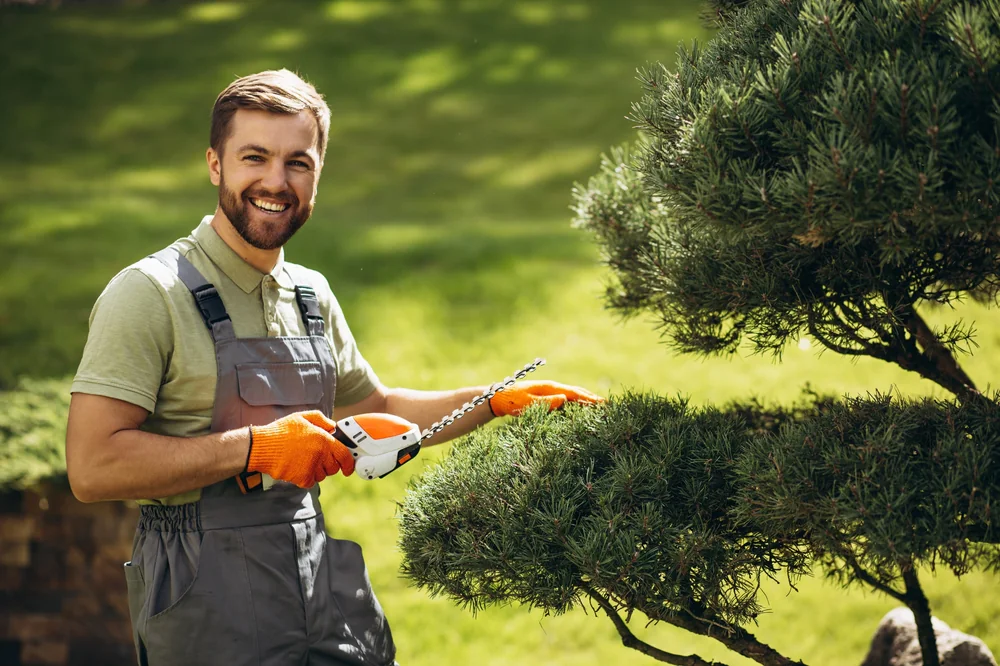
Tree trimming is perhaps the most recognized aspect of tree care, yet its importance goes far beyond simple neatness. It’s a precise practice involving the selective removal of smaller branches to achieve specific goals related to tree health, structure, and appearance. For the diverse range of trees thriving across Long Island, regular tree trimming performed correctly is fundamental. One primary goal is to promote healthy growth; by removing competing or poorly positioned branches, the tree can direct its energy towards developing a stronger structure and fuller canopy. Proper tree trimming also significantly improves sunlight penetration and air circulation throughout the canopy. This is particularly beneficial in Long Island’s often humid climate, as better airflow helps reduce the likelihood of fungal diseases taking hold. Furthermore, removing dead, diseased, or damaged twigs and small branches through careful tree trimming eliminates potential entry points for pests and decay. It also prevents weak or rubbing branches from becoming larger problems later. Thoughtful tree trimming helps maintain the tree’s natural form, preventing the unkempt look of overgrowth and shaping the tree to complement your landscape design. Undertaking regular, informed tree trimming is a key component of overall professional tree pruning strategy.
Understanding Tree Lopping
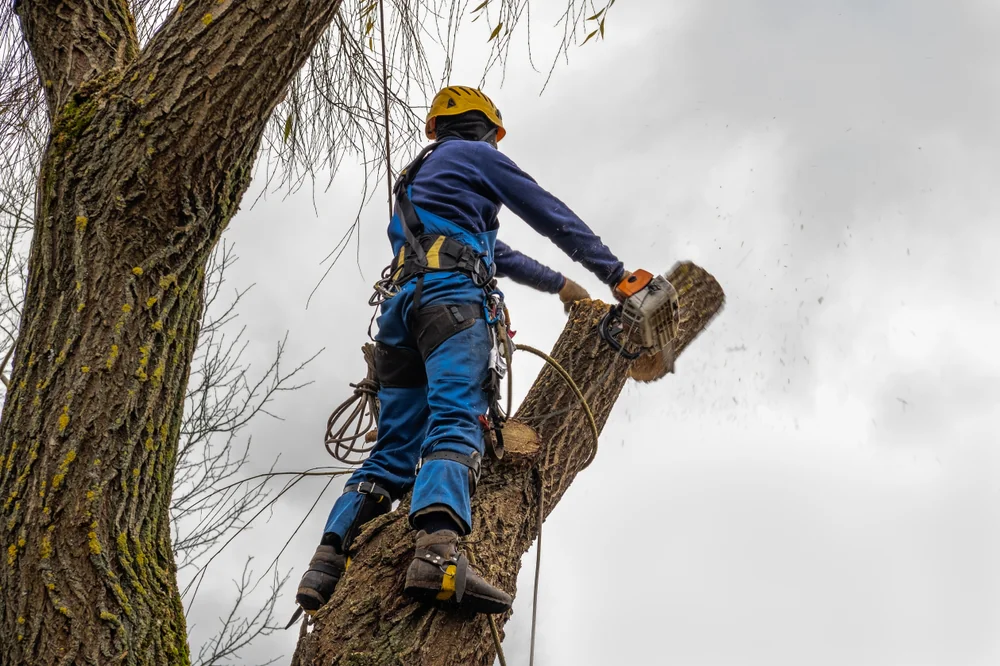
The term “tree lopping” often carries negative connotations within the arboriculture community, and for valid reasons. Frequently, it refers to the harmful practice of “topping,” where large vertical stems or branches are cut back indiscriminately to stubs, without regard for the tree’s structure or natural growth habits. This approach is generally detrimental, leading to a proliferation of weak, poorly attached sprouts (epicormic shoots) below the cut, creating a hazardous situation as these new growths mature. Topping also creates large wounds that the tree struggles to seal, leaving it vulnerable to pests and decay. However, sometimes homeowners use “tree lopping” simply to mean the removal of larger limbs, which can be a necessary part of responsible tree care when performed correctly by professionals. Legitimate reasons for removing substantial branches include eliminating parts that are severely diseased, storm-damaged, dead, or pose an undeniable risk to property or safety that cannot be mitigated through other means like cabling or bracing. Proper techniques, such as structural pruning or crown reduction performed as part of professional tree pruning, aim to reduce size or remove large limbs carefully, making cuts at appropriate points (like back to a suitable lateral branch) to minimize stress and promote healing. On Long Island, where storms can bring strong winds, avoiding the weak regrowth caused by improper tree lopping is vital for long-term tree stability. True professional tree pruning avoids harmful topping, focusing instead on targeted, skilled large limb removal when absolutely necessary.
Effective Branch Removal Techniques
The term “tree lopping” often carries negative connotations within the arboriculture community, and for valid reasons. Frequently, it refers to the harmful practice of “topping,” where large vertical stems or branches are cut back indiscriminately to stubs, without regard for the tree’s structure or natural growth habits. This approach is generally detrimental, leading to a proliferation of weak, poorly attached sprouts (epicormic shoots) below the cut, creating a hazardous situation as these new growths mature. Topping also creates large wounds that the tree struggles to seal, leaving it vulnerable to pests and decay. However, sometimes homeowners use “tree lopping” simply to mean the removal of larger limbs, which can be a necessary part of responsible tree care when performed correctly by professionals. Legitimate reasons for removing substantial branches include eliminating parts that are severely diseased, storm-damaged, dead, or pose an undeniable risk to property or safety that cannot be mitigated through other means like cabling or bracing. Proper techniques, such as structural pruning or crown reduction performed as part of professional tree pruning, aim to reduce size or remove large limbs carefully, making cuts at appropriate points (like back to a suitable lateral branch) to minimize stress and promote healing. On Long Island, where storms can bring strong winds, avoiding the weak regrowth caused by improper tree lopping is vital for long-term tree stability. True professional tree pruning avoids harmful topping, focusing instead on targeted, skilled large limb removal when absolutely necessary.
Residential Tree Pruning Benefits
For homeowners across Long Island, investing in residential tree pruning offers a multitude of practical benefits that extend well beyond just having nice-looking trees. Safety is often a primary motivator. Over time, trees can develop weak branches, excessive growth overhanging homes or walkways, or limbs that interfere with utility lines. Regular residential tree pruning addresses these issues proactively, significantly reducing the risk of falling branches causing property damage or injury, especially during Long Island’s occasional severe weather events. Maintaining adequate clearance around structures prevents branches from rubbing against roofs or siding, avoiding costly repairs. Furthermore, professional tree pruning contributes directly to the long-term health and longevity of your trees. By removing dead or diseased wood, improving structure, and reducing competition among branches, trees become more resilient to environmental stresses, pests, and diseases. This means your valuable landscape assets are more likely to thrive for decades. Of course, aesthetics play a role too. Skillful residential tree pruning enhances the natural beauty of your trees, shapes them harmoniously within your landscape design, allows more light to reach lawns and gardens below, and can even open up desirable views. Well-maintained, healthy trees are also known to increase overall property value. Considering the specific conditions on Long Island, like proximity to neighboring properties and local ordinances, relying on a service like Long Island Best Tree Service, Inc. for your residential tree pruning needs confirms that the work is done safely, correctly, and according to best practices. Consistent professional tree pruning is a wise investment in your property’s safety and appeal.
When Emergency Tree Pruning is Necessary
While routine professional tree pruning can prevent many problems, nature sometimes has other plans. Long Island is no stranger to powerful storms—hurricanes, nor’easters, heavy snow, or ice—that can wreak havoc on trees, regardless of how well they’ve been maintained. In the aftermath of such events, or even due to sudden structural failure, emergency tree pruning often becomes a necessity. This service addresses situations where a tree or its branches pose an immediate danger. Examples include large limbs that have broken but are still hanging precariously over homes, driveways, or power lines; trees that have partially uprooted and are leaning dangerously; or trees that have fallen and are blocking access or causing significant property damage. In these scenarios, prompt action is required to mitigate the risk of further damage or injury. Emergency tree pruning involves a rapid response from qualified professionals equipped to handle hazardous situations safely. The priority is to remove the immediate threat, often involving complex rigging techniques to carefully lower large, unstable branches or dismantle fallen trees without causing additional harm. Attempting this type of work without the proper training, safety gear, and equipment is extremely dangerous. Long Island Best Tree Service, Inc. offers emergency tree pruning services, understanding the urgency and inherent risks involved. Having a reliable service available provides reassurance when unexpected tree failures occur, helping to restore safety and order to your property quickly after a storm or unforeseen incident necessitates emergency tree pruning.
Choosing the Right Tree Service in Long Island
Entrusting the care of your valuable trees to a tree service company is a significant decision. Choosing the right provider is essential to confirm the work is done correctly and safely and contributes positively to your landscape. When evaluating tree services in Long Island, look beyond just the price quote. Firstly, inquire about qualifications. Are their arborists certified by the International Society of Arboriculture (ISA)? ISA certification demonstrates a high level of knowledge and commitment to proper tree care practices. Secondly, and critically, verify they carry adequate insurance, including both liability coverage (in case of property damage) and worker’s compensation (covering injuries to their crew). Ask for proof of insurance directly from their insurer. Hiring an uninsured company puts you at significant financial risk. Consider their local reputation—check online reviews and ask for references. A company like Long Island Best Tree Service, Inc. with a history of satisfied customers in the area is often a reliable choice. Always request a detailed written estimate outlining the specific work to be done (e.g., which limbs are targeted for branch removal, the extent of tree trimming) and the associated costs. Avoid companies that advocate for harmful practices like routine “tree lopping” or topping. A reputable provider will prioritize the health and structure of your trees, applying professional tree pruning standards. Making an informed choice protects your property and confirms your trees receive the best possible care.
Enhance Your Landscape with Professional Pruning
In conclusion, professional tree pruning is far more than an occasional tidying up; it’s a vital practice for maintaining the health, safety, and aesthetic appeal of your Long Island landscape. Through skillful tree trimming, targeted branch removal techniques, and appropriate interventions sometimes mistaken for tree lopping, arborists help your trees thrive. Regular residential tree pruning prevents potential hazards, encourages robust growth, and preserves the beauty of your natural assets, while responsive emergency tree pruning safeguards your property when unexpected events occur. Investing in professional tree pruning protects your trees, enriches your property’s value, and contributes to the overall charm of our Long Island communities. It makes sure that your living landscape continues to provide enjoyment and benefits for many years. If you’re ready to see the difference that expert care can make, consider the health and appearance of your trees. Contact Long Island Best Tree Service, Inc. today to schedule a consultation. Let their experienced team assess your needs and explain how professional tree pruning can elevate the health and beauty of your unique Long Island landscape.