Summary:
Your Four-Season Tree Maintenance Calendar
Properly timed care allows your trees to thrive and withstand the region’s distinct weather patterns. Firstly, spring is the season for assessment. After the winter thaw, you can spot branches that have cracked under the weight of ice and snow. These breaks are open invitations for fungal diseases and pests. Secondly, summer demands vigilance against drought stress and insect infestations that can weaken a tree from the inside out. Next, the autumn months are the ideal time for strategic pruning. By removing select branches, you allow the tree to conserve energy and fortify its root system for the coming cold. Finally, winter inspections are about identifying risks before a Nor’easter hits. Proactive care throughout the year helps prevent sudden failures that could damage your home, vehicles, or utility lines.
Distinguishing Between Tree Trimming and Pruning
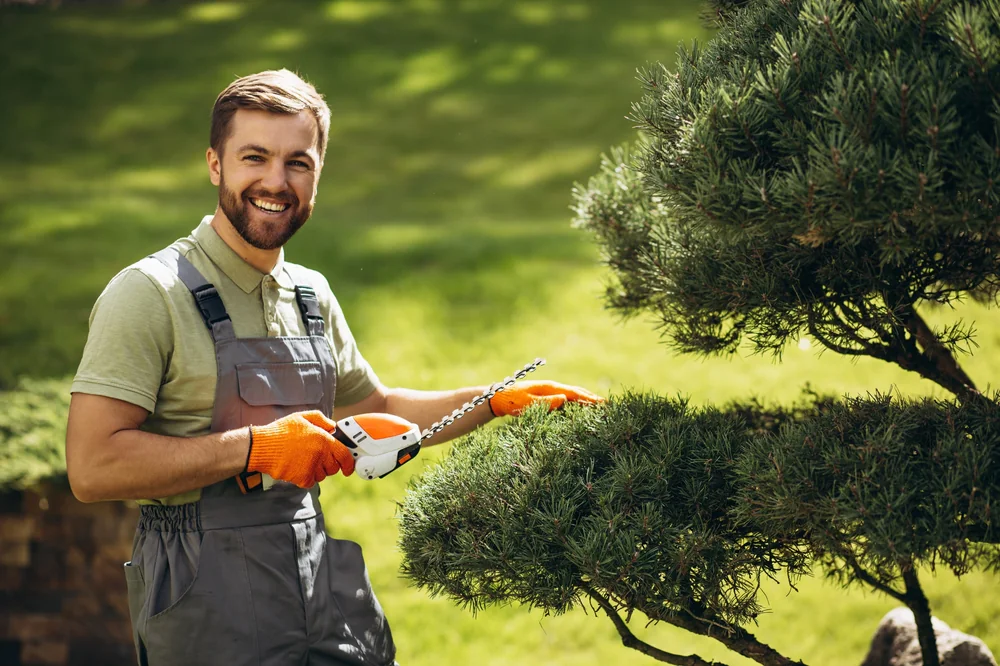
While often used interchangeably, tree trimming and pruning serve different purposes for your landscape. Trimming is primarily about shaping a tree to maintain clearance from your home’s siding, roof, or power lines, preventing friction damage and potential power outages. Pruning, on the other hand, functions like a health check-up. It involves the selective removal of dead, diseased, or crossing branches to improve the tree’s structure and direct growth. Proper pruning cuts, made just outside the branch collar, allow the tree to heal correctly and reduce the risk of decay.
When Tree Removal is the Only Safe Option
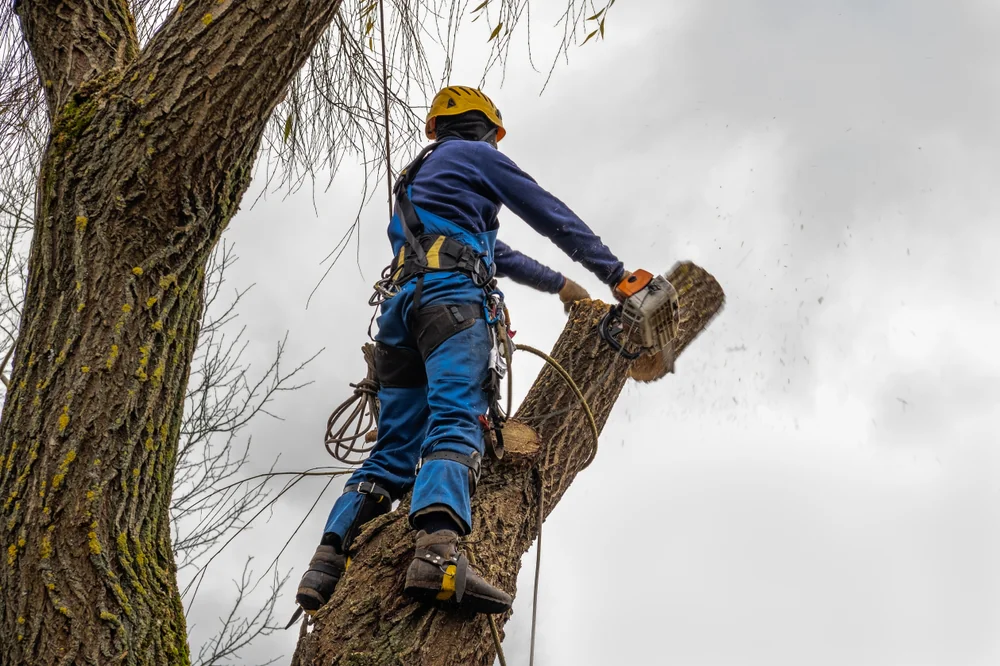
While often used interchangeably, tree trimming and pruning serve different purposes for your landscape. Trimming is primarily about shaping a tree to maintain clearance from your home’s siding, roof, or power lines, preventing friction damage and potential power outages. Pruning, on the other hand, functions like a health check-up. It involves the selective removal of dead, diseased, or crossing branches to improve the tree’s structure and direct growth. Proper pruning cuts, made just outside the branch collar, allow the tree to heal correctly and reduce the risk of decay.
The Value of Professional Arborist Services
An arborist provides a level of diagnostic care that goes far beyond simple cutting. When you have concerns about a tree’s health, a certified arborist can assess factors invisible to the untrained eye, from soil compaction that restricts oxygen to the roots to subtle signs of insect boring. Following a tree removal, stump grinding is a service that offers more than just visual improvement. Grinding a stump 8-12 inches below the ground allows you to reclaim that part of your lawn for new grass or landscaping. More importantly, it eliminates a potential nesting site for termites and other wood-boring insects that could otherwise migrate toward your home.
Maintaining a Safe Commercial Landscape
For a business in Suffolk or Nassau County, your landscape is the first impression you make on a customer. Overgrown or decaying trees can create serious liability issues, from falling limbs in a parking lot to roots uplifting walkways and creating trip hazards. Commercial tree services focus on mitigating these risks. Strategic trimming maintains clear sightlines for your company’s signage and buildings, while scheduled pruning of mature trees keeps your property safe for employees and visitors. A well-maintained landscape reflects the professionalism of your business operations.
Preparing Your Trees for Coastal Storms
Long Island’s proximity to the coast makes properties here susceptible to high winds from tropical storms and other severe weather. Proactive storm preparation for your trees can prevent catastrophic damage. An arborist can identify weak points, such as V-shaped unions where two co-dominant stems are weakly attached or over-extended limbs that carry too much weight. In some cases, a technique called cabling and bracing can be used. Steel cables are installed in the upper canopy to provide supplemental support, distributing the load and reducing the likelihood of limb failure during a storm.
A Year-Round Commitment to Your Property's Health
In summary, consistent, seasonal attention is the key to maintaining healthy and safe trees on your Suffolk or Nassau County property. By evaluating the specific needs of your trees through each season—from spring assessments to fall pruning and storm preparation—you directly protect your home or business from preventable damage and expensive emergencies. Following these tree care tips gives you a framework for action. When you need a professional assessment or service, Long Island Best Tree Service . is here to help. For personalized solutions for your landscape, contact us today.